





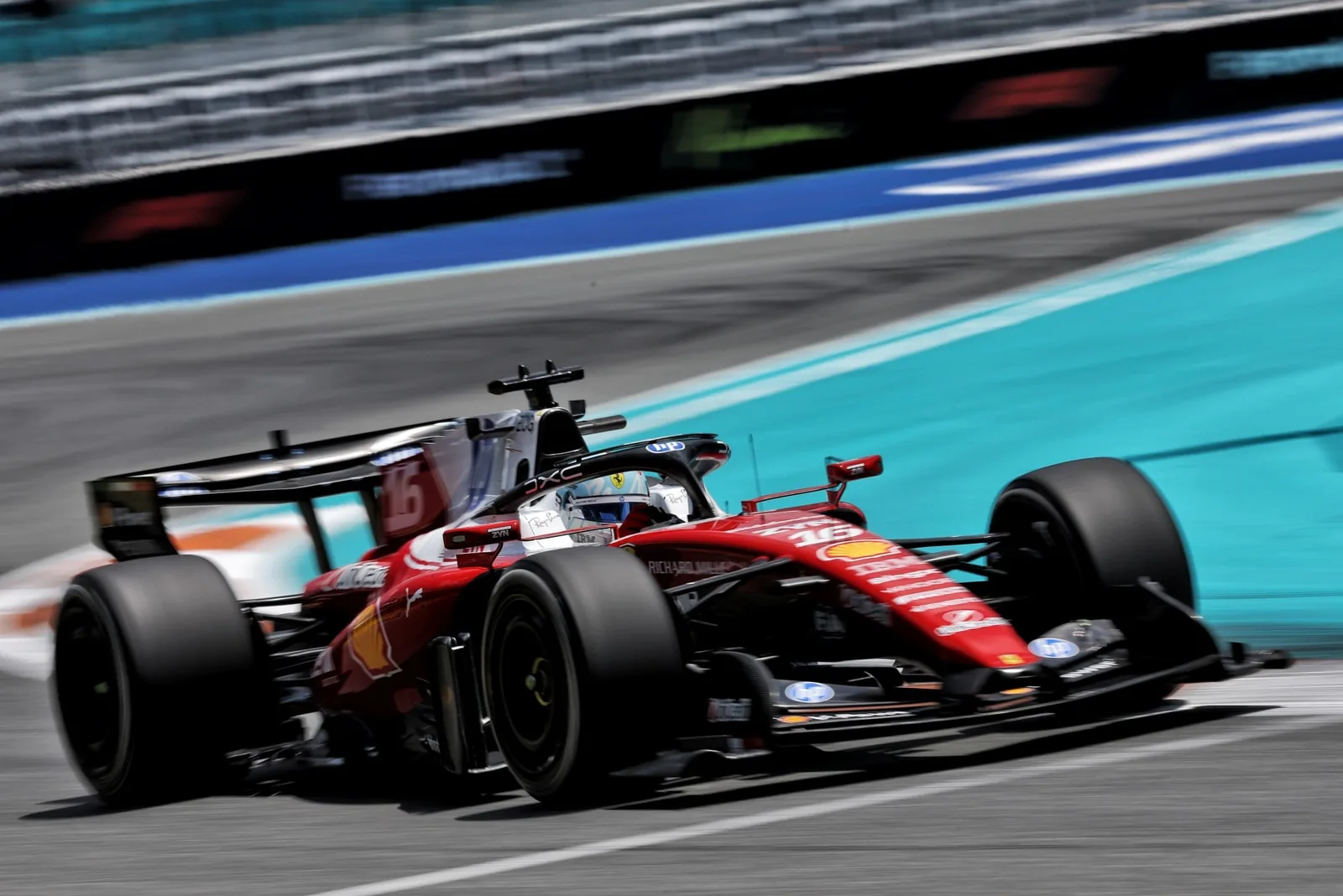
Ferrari left the Miami Formula 1 GP surrounded by criticism, after a weekend below expectations, even bringing the largest upgrade package among all teams. For former IndyCar driver James Hinchcliffe, the Italian team ignored a basic engineering rule by introducing many changes at once on the SF-26.
Read more F1: McLaren announces new technology partnership with US giant
The Italian team had high expectations for the stage in the United States. Although still behind Mercedes, the team believed it could reduce the gap to direct competitors and even fight for wins, especially after presenting an extensive list of technical novelties on the car for the weekend in Miami.
In the race, however, the results were far from expected. Lewis Hamilton had his race compromised early on after a touch with Franco Colapinto and finished only sixth. Charles Leclerc lost the final podium position to Oscar Piastri, spun on the last lap, and also received a twenty-second penalty, which dropped him to eighth place.
Furthermore, the Monegasque driver asked Ferrari to investigate the drop in car performance during the race. Leclerc pointed to high tire wear as one of the factors that affected his performance throughout the GP.
Hinchcliffe believes the root of the problems was precisely the number of upgrades brought to Miami. According to him, Ferrari ended up making its own work harder by trying to evaluate many new components at the same time during a weekend with limited track time, due to the Sprint format.
Read more F1: Button believes in insecurity of Hamilton and Verstappen
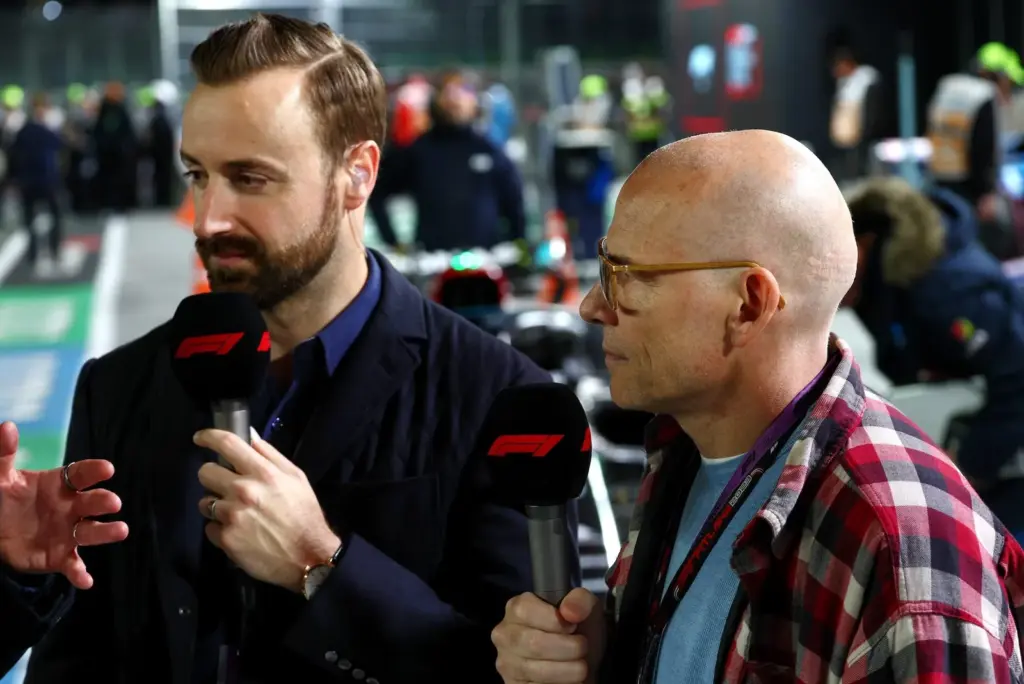
“This is engineering rule number one: make one change at a time, to be able to identify what really improves or worsens,” said the Canadian on the F1 Nation podcast. “They don’t have that freedom, with no testing and only one practice session. You install eleven or twelve different components and that makes the engineers’ job very difficult.”
The former driver also highlighted that the team’s own drivers face difficulties understanding the car’s behavior when so many parts are changed simultaneously: “It becomes complicated to isolate what is helping, what is changing, or what is harming. Nothing works in isolation in a Formula 1 car,” he added.
Finally, Hinchcliffe compared Ferrari’s approach with the more discreet strategy adopted by Andrea Stella’s McLaren in Miami. While the Italian team struggled to understand the SF-26’s performance, McLaren achieved a one-two in the Sprint race and placed both its cars on the main GP podium.
Read more F1: Red Bull seeks end to critical failure with new wind tunnel