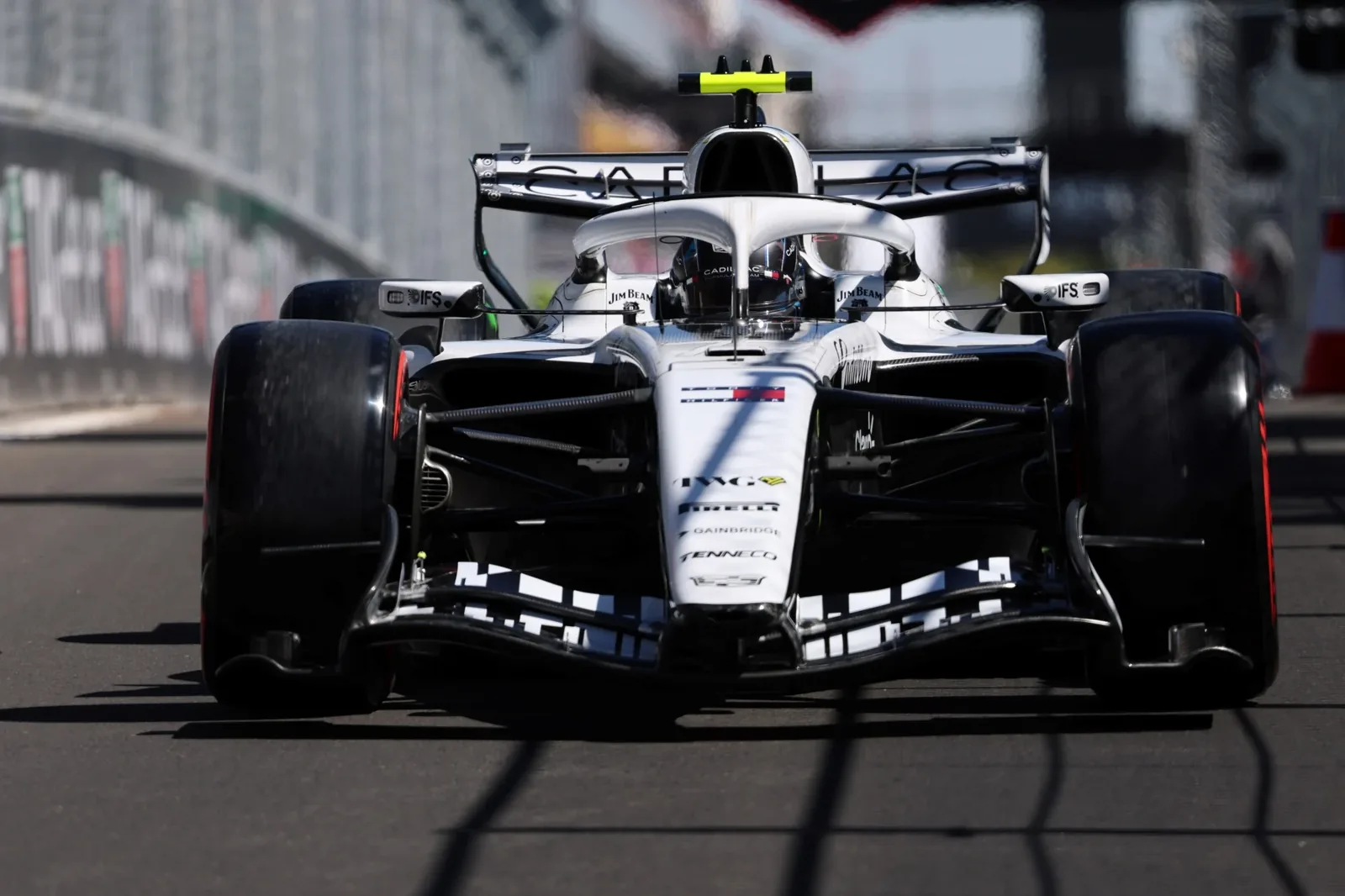









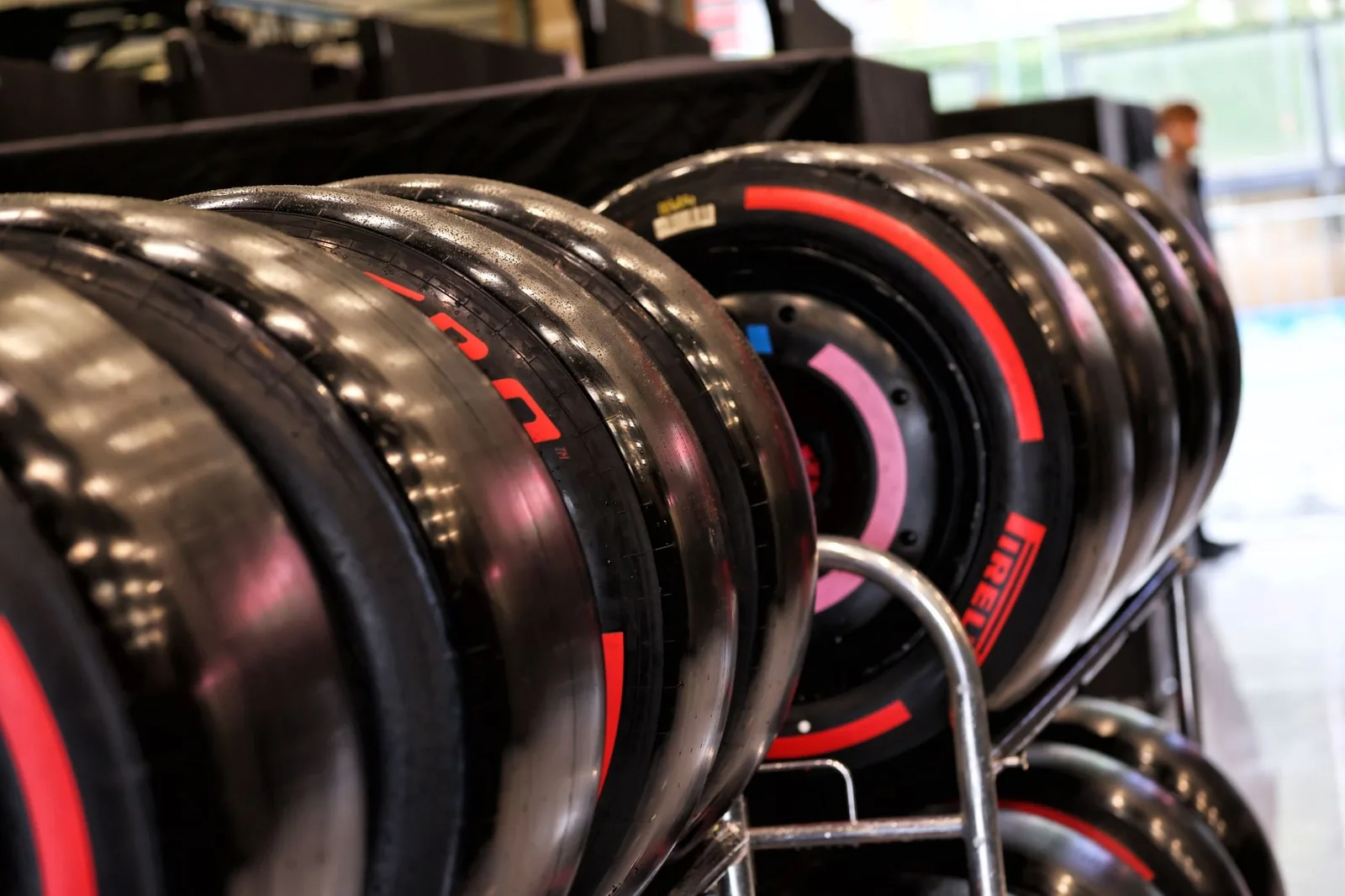
Pirelli takes C3, C4, and C5 to Melbourne, while China and Japan complete the full range rotation in the first three stages of the 2026 season
Read more Conflict between USA and Iran threatens Formula 1 Bahrain GP
The 2026 Formula 1 season officially begins between March 5 and 8, with the Australian GP at Albert Park. The opening round not only inaugurates the category’s new technical generation but will also be the first real major test for the tire range defined by Pirelli for this year.
For Melbourne, the Italian supplier selected the C3, C4, and C5 compounds, meaning the three softest in the 2026 range. The choice indicates an approach focused on performance and aggressive strategy right in the first race of the year, especially on a semi-permanent circuit like Albert Park, where track evolution throughout the weekend is usually significant.
The interesting detail is that, during the collective tests in Bahrain, both the C4 and C5 were little used by the teams. Most of the work focused on the medium and harder compounds, prioritizing long simulations, reliability, and basic data collection for the new cars. This means that Melbourne will, in practice, be the first real competitive scenario for the softest tires of the new era.
With the 2026 cars showing greater dependence on electrification and active aerodynamics, the behavior of the soft compounds under different energy loads and weight distribution will be one of the central points of the weekend. The C5, especially, arrives as a strategic unknown, as there are still few public references regarding its degradation at race pace with the new models.
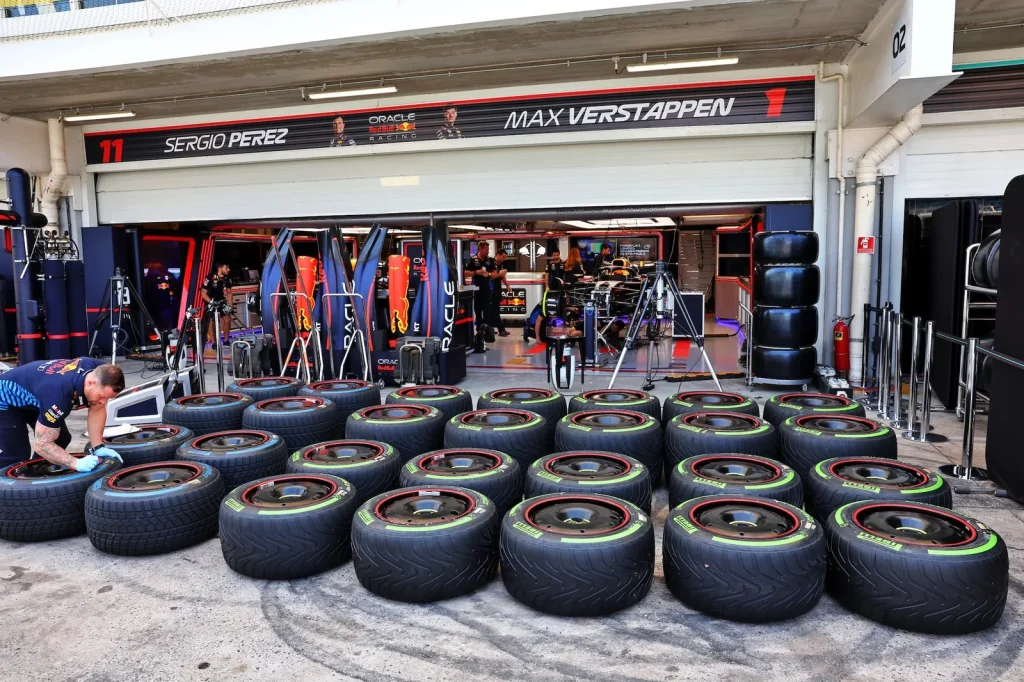
Pirelli has also already defined the choices for the next two stages of the calendar, creating an interesting technical contrast right at the start of the season.
Read more Stewards penalize Porsche #82 by 5s and Challenge victory goes to Neumann
In the Chinese GP, in Shanghai, between March 13 and 16, the C2, C3, and C4 compounds will be available, an intermediate combination that tends to balance durability and performance on a circuit with long straights and long-radius corners, such as turn 1 and the final carousel.
In the Japanese GP, in Suzuka, the third stage of the championship, the choice falls on the hardest compounds in the range: C1, C2, and C3. The decision is consistent with the level of demand of the Japanese track, known for its high-speed sequences, rapid changes of direction, and high lateral loads, especially in the “Esses” sector.
With this sequence — C3/C4/C5 in Australia, C2/C3/C4 in China, and C1/C2/C3 in Japan, the first three races of the season will collectively use all the compounds in the 2026 range. This will allow for a fairly broad technical reading already in the first month of the championship, offering teams and the public an initial view on degradation, pit stop strategies, and thermal behavior under different track characteristics.
Australia opens the season with the softest tires. China balances the game. Suzuka tests maximum endurance. In three weeks, Formula 1 will have put the entire new 2026 technical base to the test, and the tires will be at the center of this equation.
Read more F1: Geri Halliwell predicted Horner’s dismissal from Red Bull