






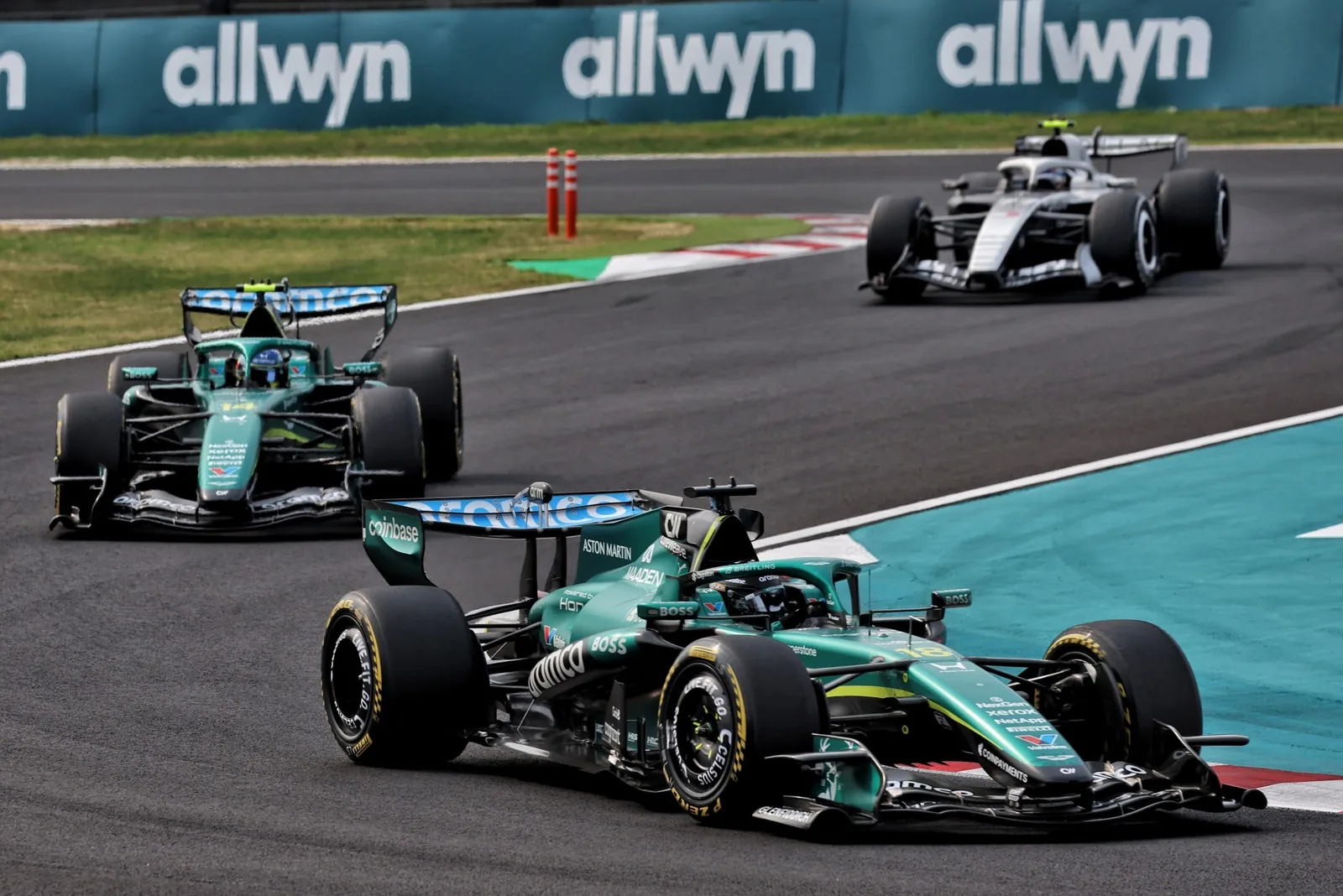
The 2026 Formula 1 season started far from Aston Martin’s expectations. The team faces a complicated scenario with the AMR26, marked by vibration problems involving both the Honda power unit and the car’s chassis itself.
Read more F1: Wolff believes in a more balanced grid at the Miami GP
The situation became evident even before the first races, when the model ran significantly less than its rivals since the tests in Bahrain. The vibrations, which had already been noticeable since winter, affected the project’s development and even caused damage to important components, besides making it difficult for the drivers to complete the full race distance.
Honda engineers explained that the phenomenon is not caused only by the power unit but also amplified by the car’s structure. The AMR26 chassis ends up functioning as a kind of resonance chamber, intensifying the vibrations and making the problem even more complex to solve. The impact was so severe that several batteries were damaged throughout the start of the championship, and Fernando Alonso even retired from the Chinese GP after feeling numbness in his limbs.
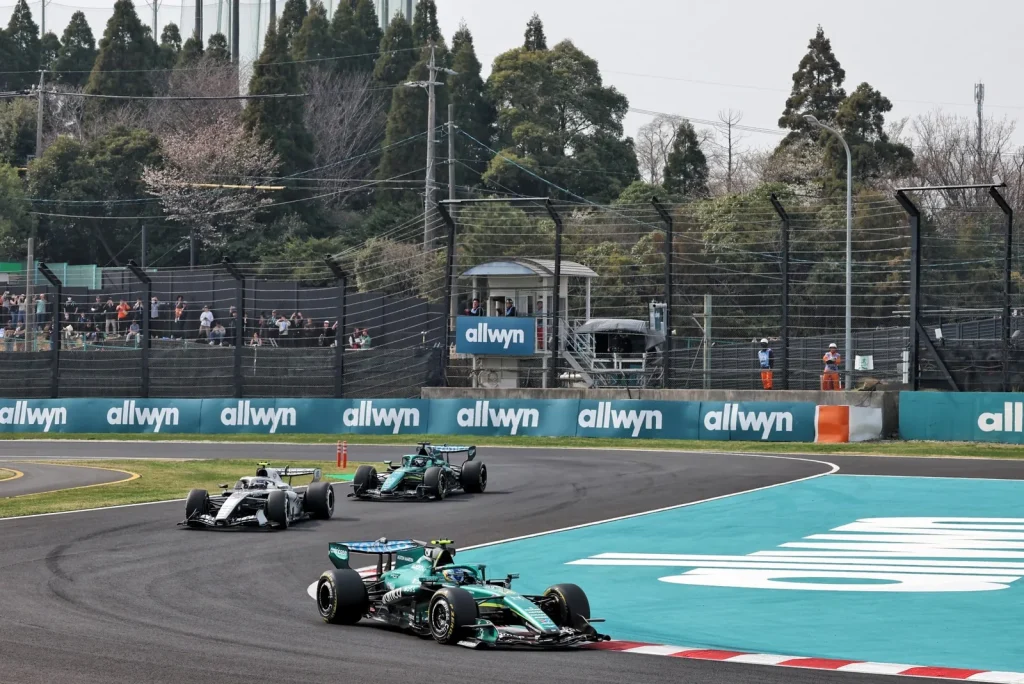
One of the team’s first responses came at the Japanese GP, when some corrective measures allowed the Spaniard to complete his first race of the season. Still, the work to solve the problem continues intensely, with direct collaboration between Aston Martin engineers in Silverstone and Honda in Sakura.
“It was a long but intense period between races, with a lot of work happening in collaboration with Aston Martin both in Japan and the UK. The Japanese Grand Prix showed that the work is going in the right direction and helped us find motivation to keep moving forward,” said Shintaro Orihara, Honda F1 general manager at the track.
Read more F1: Brundle sees rule changes for Miami as a «season relaunch»
After the Japanese round, the team decided to keep one of the cars in Sakura for an extra phase of dynamometer testing. “After that race, we took the opportunity to keep one of the AMR26 cars on site for additional static tests in Sakura for the first time, focusing our efforts on reducing vibrations and thus increasing reliability,” Orihara explained.
Despite the effort, Honda admits that the advances may not immediately reflect in on-track performance. “Realistically, this progress will not have a visible impact on the power unit’s performance on track. Therefore, we should not expect big leaps here,” he said. According to him, the focus is also on drivability: “From the power unit side, it is about improving drivability in the low-speed sector. Optimizing energy management in this part is a key factor to maximize performance.”
Orihara also highlighted that the Miami GP will be an additional challenge due to the high temperatures and the weekend format. “Miami is also the first hot race weekend of the season, so it is crucial to keep the power unit temperatures under control under these new regulations. The Miami Grand Prix is a Sprint weekend, which means we have only one practice session, albeit 90 minutes, to optimize all data settings under the new regulations and set the best cooling specifications before the Sprint Qualifying, which makes FP1 here very important.”