



McLaren had a complicated start to the 2026 Formula 1 season, but is already identifying positive signs after the first few races. Team principal Andrea Stella explained that two main factors contributed to the difficult start to the title defense.
Read more F1: Alonso talks about a “different perspective” on crisis with Honda engines
After the first three races, McLaren occupies third position in the constructors’ championship with 46 points scored. The main result so far was Oscar Piastri’s second place at the Japanese GP, which marked the team’s first podium of the season.
Before that, the team faced significant difficulties. In the first two GPs of the year, McLaren had problems at the starts, with Piastri unable to start the races in Australia and China. Reigning champion Lando Norris also failed to start in Shanghai, after both cars suffered electrical power unit failures before the start.
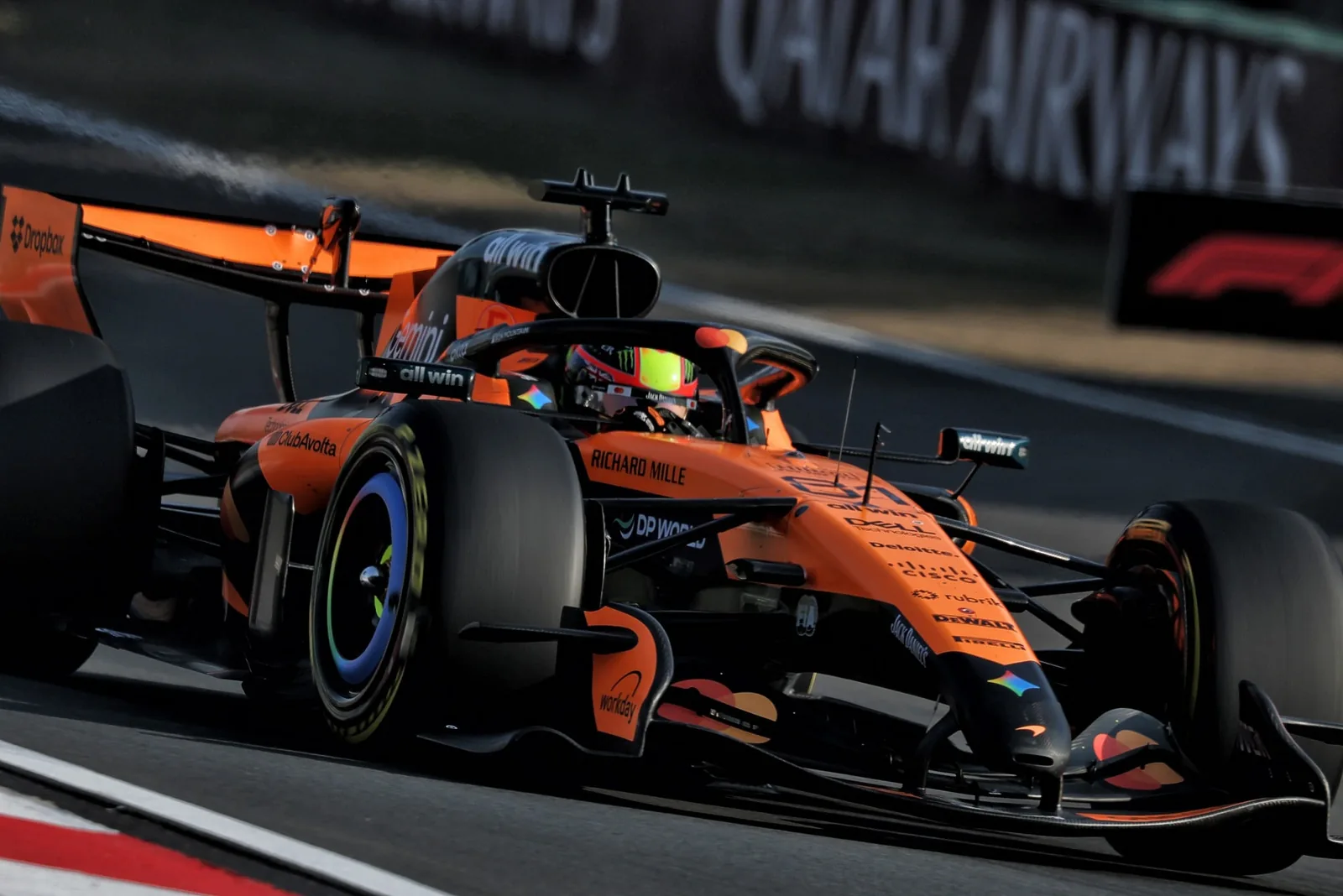
Reliability issues also affected the team, with the MCL40’s performance falling short of direct competitors at the start of the season. The car proved to be behind the Mercedes W17 and Ferrari SF-26, until Piastri’s podium at the Japanese GP represented a breakthrough. The Australian even led comfortably at Suzuka, before the safety car changed the course of the race.
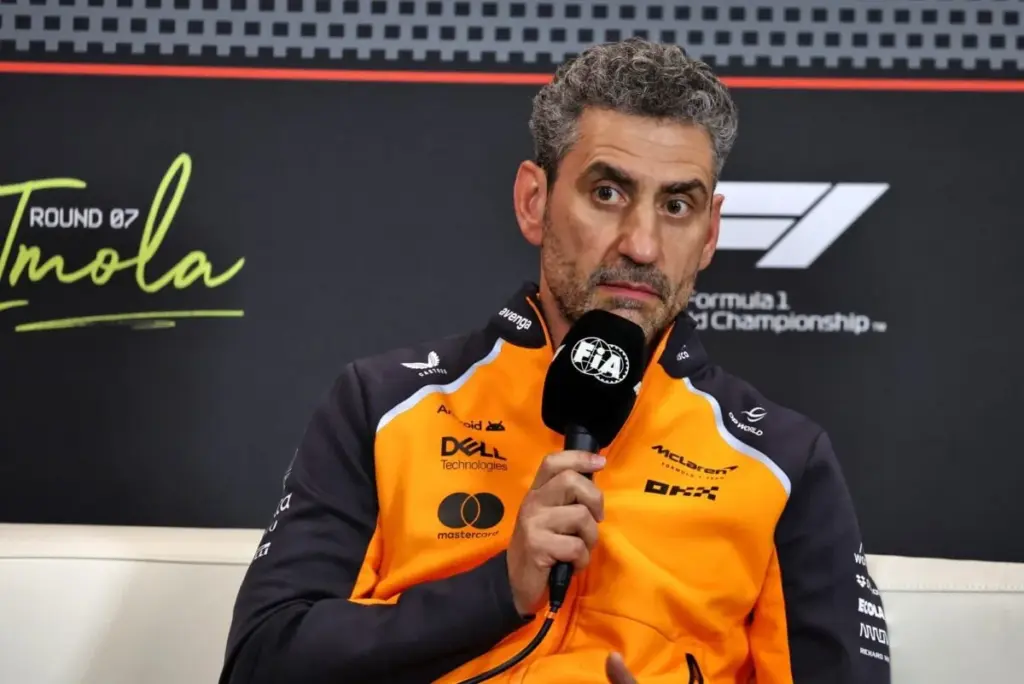
Stella explained that the first cause of the complicated start was the time needed to extract the maximum from the Mercedes HPP power unit: “The first part of the season presented some challenges, essentially for two reasons. The first is that it took longer than expected to learn how to take full advantage of the potential offered by the power unit,” he stated.
Read more F1: ADUO could change balance between teams in 2026
The director also highlighted that reliability issues directly impacted performance and the learning process: “We suffered several reliability problems in this area, which had a significant impact not only on the results, but also on the pace of learning.”
Another factor pointed out was the car’s development phase, influenced by the title fight until the last race of 2025 and a different design approach: “We wanted to ensure that the initial car specification was a healthy platform for development. We know there is still a long way to go with the new 2026 regulations,” he added.
Despite the initial difficulties, Stella highlighted positive aspects. According to him, the team demonstrated unity in the face of challenges, as well as performance evolution: “In Suzuka we saw the first signs of progress with Oscar’s second place. We also noted that the car’s development rate looks very promising,” he concluded.
Read more Porsche Cup moves 100-ton cargo 9,000 kilometers to race in Le Mans