









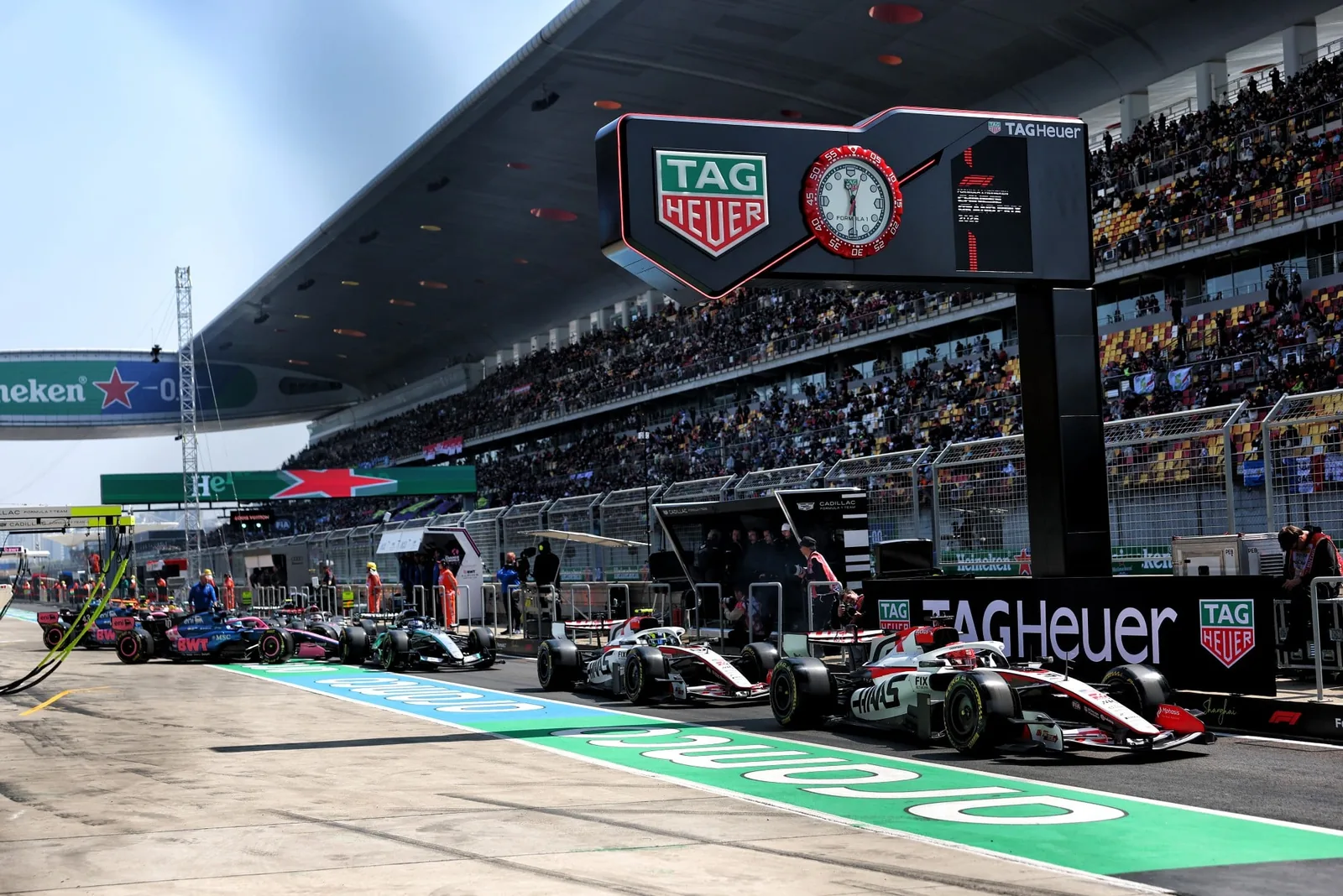
Formula 1 may have significant changes in how teams approach the Miami GP. Adjustments in the energy management of power units are being discussed and could significantly alter the priorities of FP1 during the race weekend.
Read more F1: Hill talks about Max Mosley on social media: «Intelligence used in the service of hatred»
These discussions involve the FIA, FOM, teams, and power unit manufacturers. The expectation is that decisions will be made after a third meeting scheduled for April 20, with possible changes in the way energy recovery is handled.
The general perception is that the current regulations have the potential for good races, but targeted adjustments are considered necessary. Thus, radical changes are not expected, such as altering the ratio between the combustion engine and the electric part, but rather specific modifications to improve driving dynamics.
One of the main proposals under discussion is to change the maximum recoverable energy limit according to each circuit. Currently, the rules allow recovering 8.5 megajoules per lap, stored in the 4MJ battery and used as an additional power boost. However, this scenario has led drivers to adopt unusual techniques, such as excessive lift and coast, reductions on straights, and more conservative approaches in corners.
Drivers’ criticisms have already led to a test with a reduction to 8.0MJ at the Suzuka circuit. Now, the expectation is that this value could drop even further, possibly to 5.0 or 6.0MJ, depending on the characteristics of each track, aiming to improve driving without a significant impact on lap times.
With no prior tests available, the first opportunity to evaluate these changes may be precisely FP1 in Miami. This could change the usual approach of the teams, as explained by Hoagy Nidd, Haas’ head of car engineering.

“With the changes in energy management, this is something more controlled by the power unit partners, who will define a strategy based on that,” said Nidd. He also highlighted that deadlines for software submission were slightly extended to allow adjustments and testing before the event.
Read more F1: Russell says he would understand Verstappen’s departure after four titles
According to the engineer, FP1 is usually focused on tires and basic setups, but this time there will be a change in priorities: “We will need to test the software, evaluate strategies, test the boost, overtaking, and even check the start. You will probably see teams doing different things in FP1,” he said.
Nidd also explained that reducing recoverable energy could allow for more natural driving: “You can achieve energy targets under more normal conditions, without needing to alter the driver’s behavior so much,” he added.
The situation may be even more complex for customer teams, such as Haas, which uses Ferrari power units. Nidd pointed out that customer teams are rarely a priority in development.
“As a customer team, you get what is made available. There is collaboration, but we are never the main priority,” he concluded. Still, he emphasized that the relationship with Ferrari is positive and that joint work continues throughout the season.
With decisions expected in the coming days, FP1 of the Miami GP could become extremely important for teams to understand the changes. If the adjustments are confirmed, the start of the Formula 1 weekend could have a very different dynamic than usual.
Read more F1: Norris talks about «learning opportunity» in Pirelli test at Nürburgring