







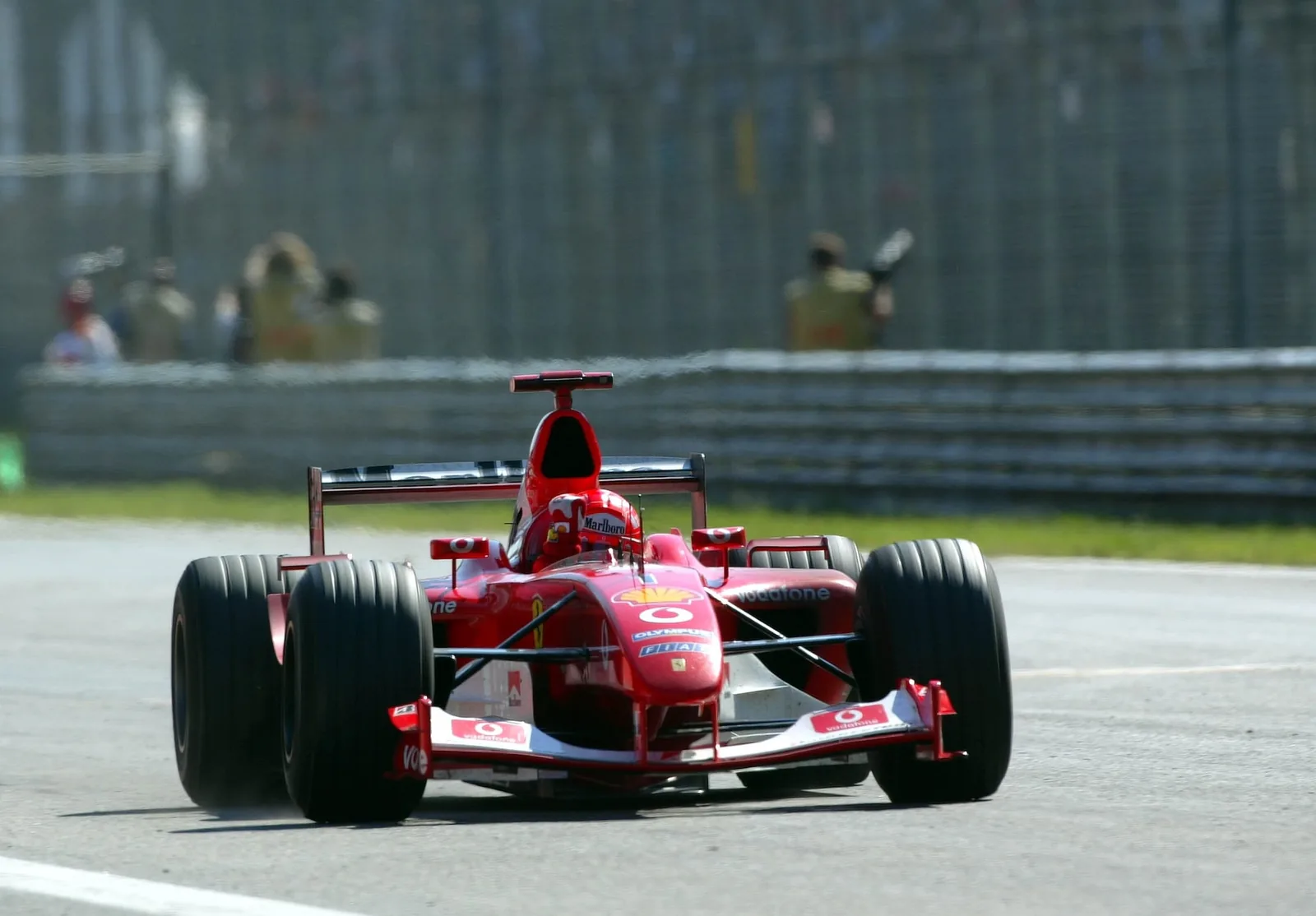
Formula 1 experienced one of the most remarkable transfers in history when Michael Schumacher signed with Ferrari. According to Jean Todt, former head of the Scuderia, the negotiation was surprisingly quick and completed in just one day.
Read more F1: Commentators talk about a «cultural change» at Red Bull after Lambiase’s departure
Schumacher was the most coveted name in the Formula 1 market in 1995. The German had already won a title with Benetton and was heading for his second championship in just his fourth full season in the category, while the team was also approaching its only constructors’ title.
The technical scenario of the category also paved the way for the move. With Renault’s exit from F1, both Benetton and Williams began using engines developed by Mecachrome, creating an opportunity for Ferrari to act quickly.
Todt explained that the Italian team was still rebuilding at that time: “In 1995, we were still rebuilding the team and knew that 1996 would be the year to really try. Often, among engineers, the chassis people said we didn’t have a good engine, the engine people said we didn’t have a good chassis, and above all, we didn’t have good drivers,” he said.
With that, Ferrari decided to bet on the best available name: “We thought that, to ensure no one could say that, having Michael, the best driver, was essential, but we had to convince him,” said the former executive.
Read more F1: Norris and Russell sped up on the historic Nurburgring-Nordschleife
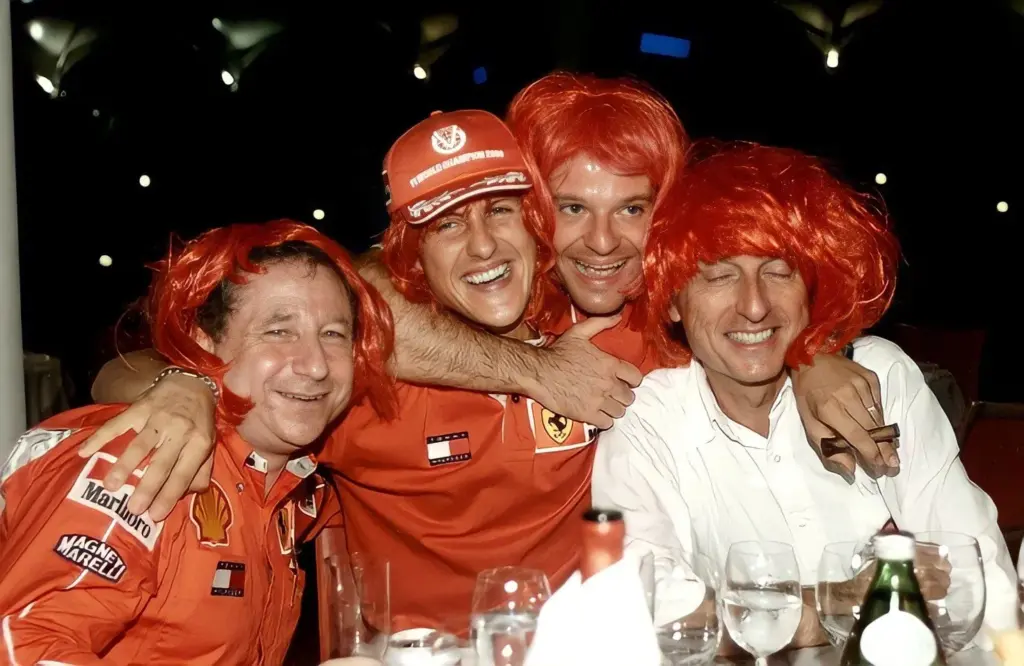
The negotiation was direct and fast: “We discussed this at the beginning of 1995, then we spent a day in Monte Carlo, our lawyer Henri Peter and I, with Michael and Willi Weber (Schumacher’s former manager), and after one day we signed the contract,” Todt revealed.
But before that, Ferrari had tried to sign Ayrton Senna for 1995, but the deal did not progress. The Brazilian wanted to join the team a year earlier, which would have required breaking contracts with Gerhard Berger or Jean Alesi, something that did not happen, and Senna ended up going to Williams, where he died in the tragic accident at the Imola circuit on May 1, 1994.
Another important factor to convince Schumacher was the team formation around him. Todt revealed that he simultaneously contacted Ross Brawn and Rory Byrne, who had worked with the German at Benetton: “He wanted guarantees, so I contacted Ross Brawn for technical director and Rory Byrne for chief designer, and Michael knew about this,” Todt concluded.
The strategy helped consolidate Ferrari’s project, which began to yield results quickly. In 1996, already with Schumacher on the team, Ferrari won three races, marking the beginning of one of the most dominant partnerships in Formula 1 history.
Read more F1: Numbers explain why category ignores criticism