






Formula 1 and the FIA have been encouraged to take an independent stance ahead of decisive meetings regarding the 2026 regulations. The request comes amid growing concerns about car behavior and potential technical changes before the Miami GP.
Read more F1: Tsunoda receives support, but return to Red Bull is unlikely
These meetings are scheduled to take place throughout April, with the FIA, Formula 1, and the teams evaluating adjustments to the regulations. The Formula 1 Commission meeting is set for April 09, with further talks expected before the Miami round in early May.
The debate gained momentum following Haas’s Oliver Bearman’s heavy crash during the Japanese GP, which increased criticism of the current generation of cars. Among the main points under discussion are energy usage, speed differences between cars, and drivability under the new power unit rules.
During an appearance on Sky Sports F1, former McLaren and Force India (now Aston Martin) performance engineer and current commentator Bernie Collins stated that discussions have focused primarily on qualifying sessions rather than racing conditions: “There’s a lot of discussion. Actually, annoyingly, I think the debate has been centered on how to improve qualifying sessions,” she said.
Collins also suggested possible technical solutions, such as reducing the amount of energy that can be recharged during laps: “There are a few ways to do that. You reduce the amount of battery they can charge or recharge during the laps,” she explained.
Read more After eight titles in the Porsche Cup Brasil, Nelson Marcondes debuts in European motorsport
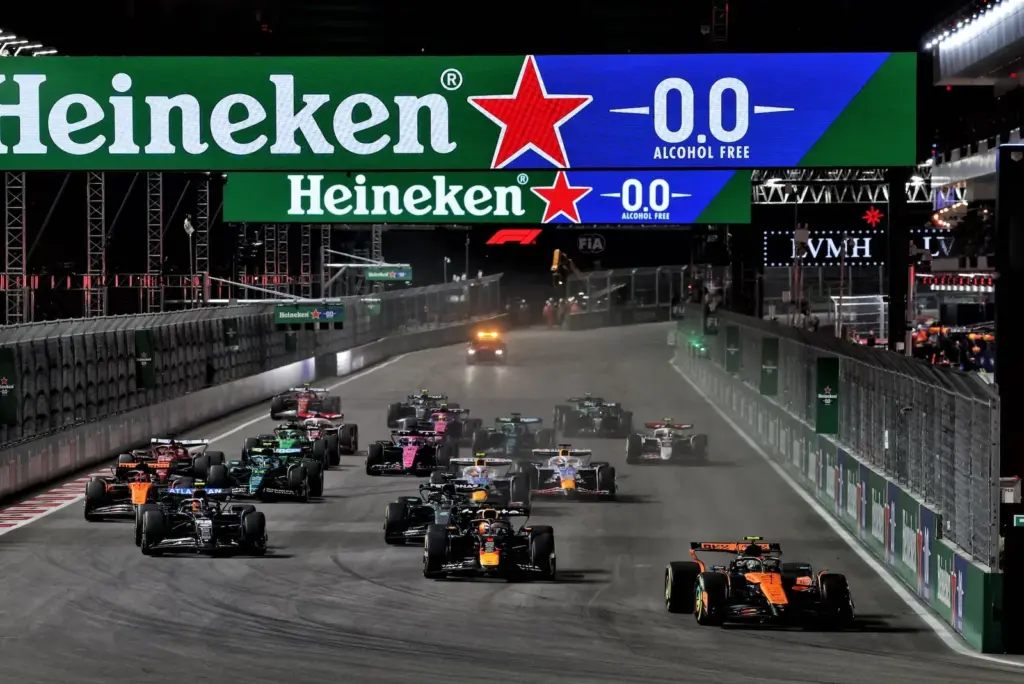
Another alternative mentioned was increasing fuel flow to reinforce the importance of the internal combustion engine: “You could increase the fuel flow, which is one way to do it, so that the combustion engine produces more of the power,” Collins stated, highlighting that this could bring car behavior closer to what was seen in the previous season.
However, the engineer warned that such changes could create inequality among teams: “The difficulty of increasing fuel flow is that it won’t affect all teams equally. Some will have more capacity to do that than others,” she stated, mentioning differences in fuels, radiators, and tanks.
Collins also highlighted the structural challenge in decision-making, pointing out that each team tends to defend solutions that favor their own interests: “Everyone is going to come with their own agenda. Of course we want to improve racing and make it safer, but each team knows if they have an advantage or disadvantage with the rule they suggest,” she added.
Read more Irvine claims F1 “doesn’t need” Max Verstappen after exit threats