




Team points out that larger wings could return on high-speed tracks
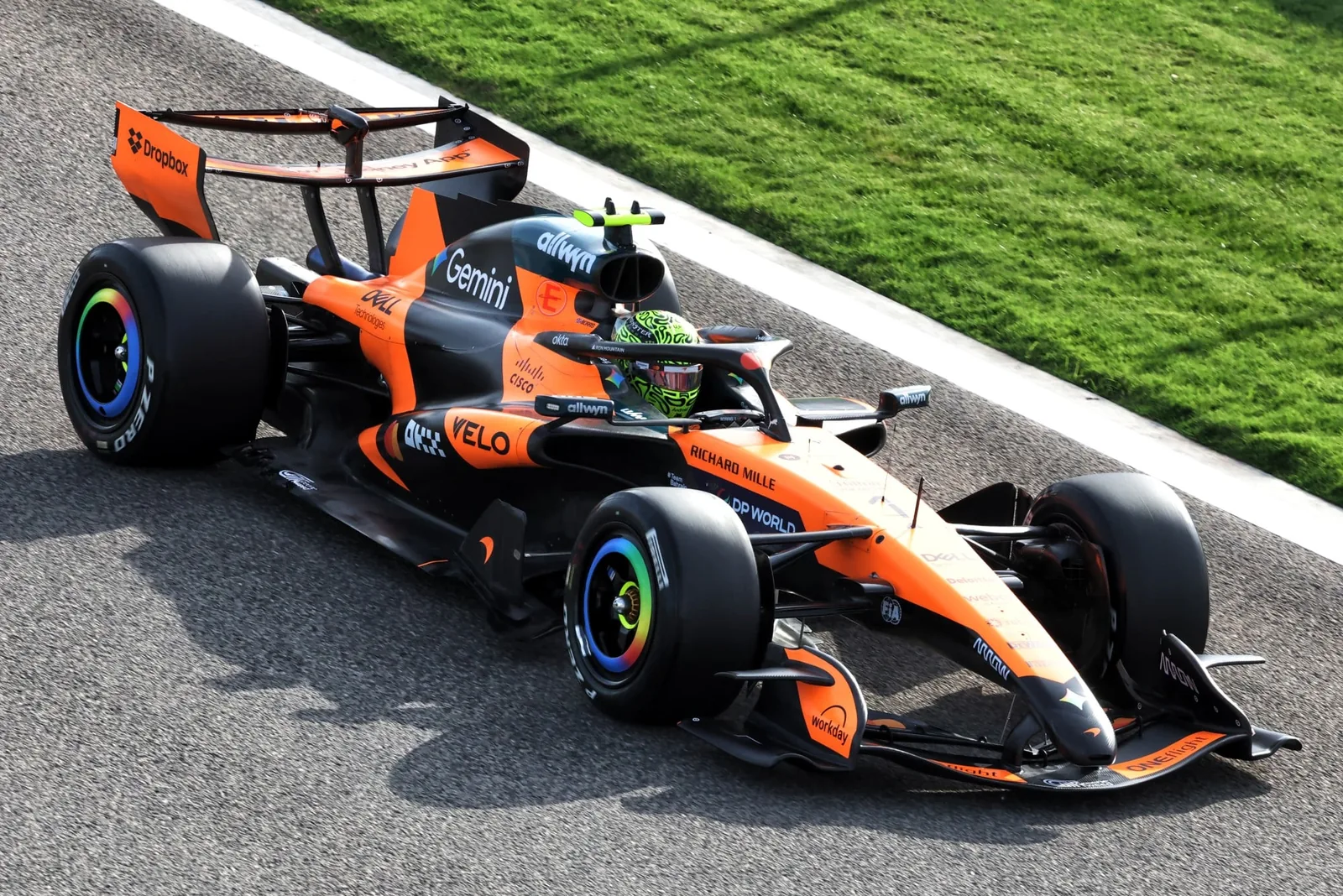
McLaren has detailed how Formula 1’s new active aerodynamics system in 2026 could cause significant changes in how cars are set up, including the possibility of a choice that, at first glance, seems contradictory: using larger rear wings on traditionally fast tracks.
Read more Pipo Massa talks about Porsche Cup debut and Interlagos round: «Gratitude»
With the introduction of the so-called “straight-line mode,” both the front and rear wings will move to reduce drag in designated zones, before automatically returning to “cornering mode” when the car needs maximum downforce. Unlike the DRS era, which has acted only on the rear wing since 2011, the new system expands the drag reduction effect by also involving the front wing, more deeply altering the aerodynamic balance.
According to McLaren’s performance technical director, Mark Temple, the setup logic changes substantially. “Efficiency remains extremely important from an aerodynamic point of view, but there is a shift now because straight-line mode significantly reduces the car’s drag,” he told the press. “It becomes more about the amount of downforce you have in cornering mode versus the drag in straight-line mode, as a general rule.”
The practical consequence is that at circuits where straight-line mode is widely used, such as Albert Park in Australia or Monza in Italy, the impact of drag at top speed ceases to be the dominant factor that traditionally led teams to adopt low-profile wings. Since the system already “unloads” the car on the straights, it becomes viable to carry more downforce in cornering mode.
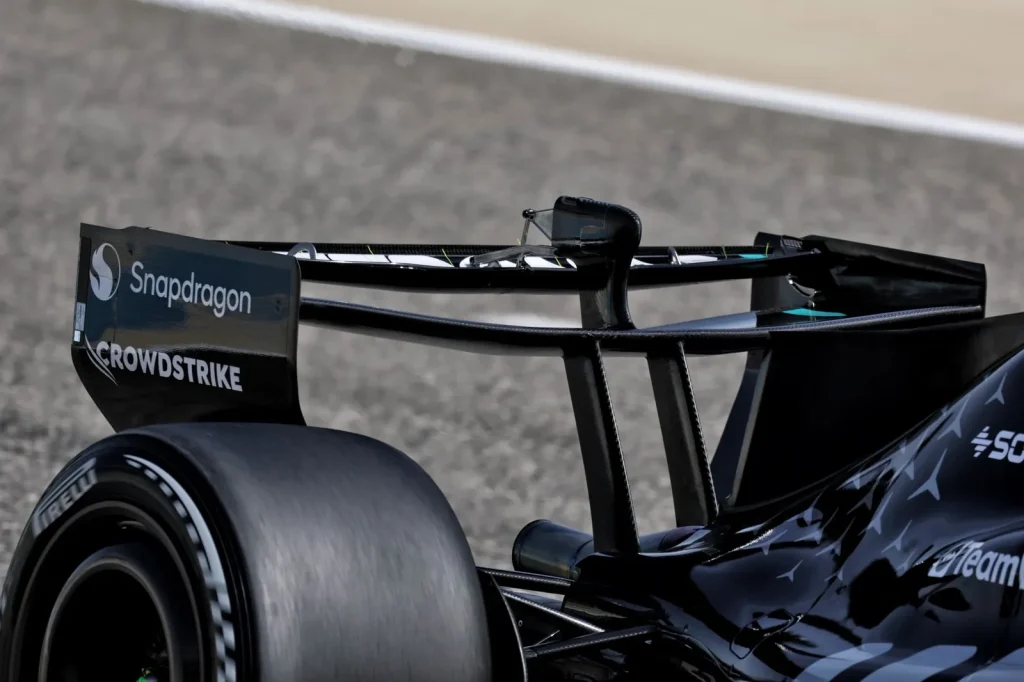
“If we think about tracks dominated by straight-line mode, we will certainly see cars using larger rear wings and exploiting more of the total available downforce,” Temple explained. In other words, as drag will be automatically reduced on the straights, teams can opt for more aggressive setups to improve cornering performance, compensating for the loss of speed with the activation of the system.
Read more Comparatto secures top-5 in the first free practice of the Porsche Carrera Cup at Interlagos
On the other hand, at circuits like Spa-Francorchamps in Belgium, the logic may be different. Temple cited the uphill section to the Bus Stop chicane, where the car will remain in cornering mode for much of the sector. In this case, drag in a high-downforce configuration once again carries more weight in the equation.
“You will see an extra dimension in the decision of how to set up the car. At some tracks, it will be different from what we have seen in recent years; in others, it might be closer to what we already know,” he added.
McLaren’s analysis reinforces that the 2026 revolution is not limited to more electrified power units. Active aerodynamics introduces a new strategic variable in setup, forcing engineers to rebalance the classic relationship between downforce and drag. The result could be a visually different Formula 1, even at circuits where, historically, less wing has always been synonymous with more speed.
Read more Porsche Cup: Bassani takes third position in the only Carrera free practice in SP