





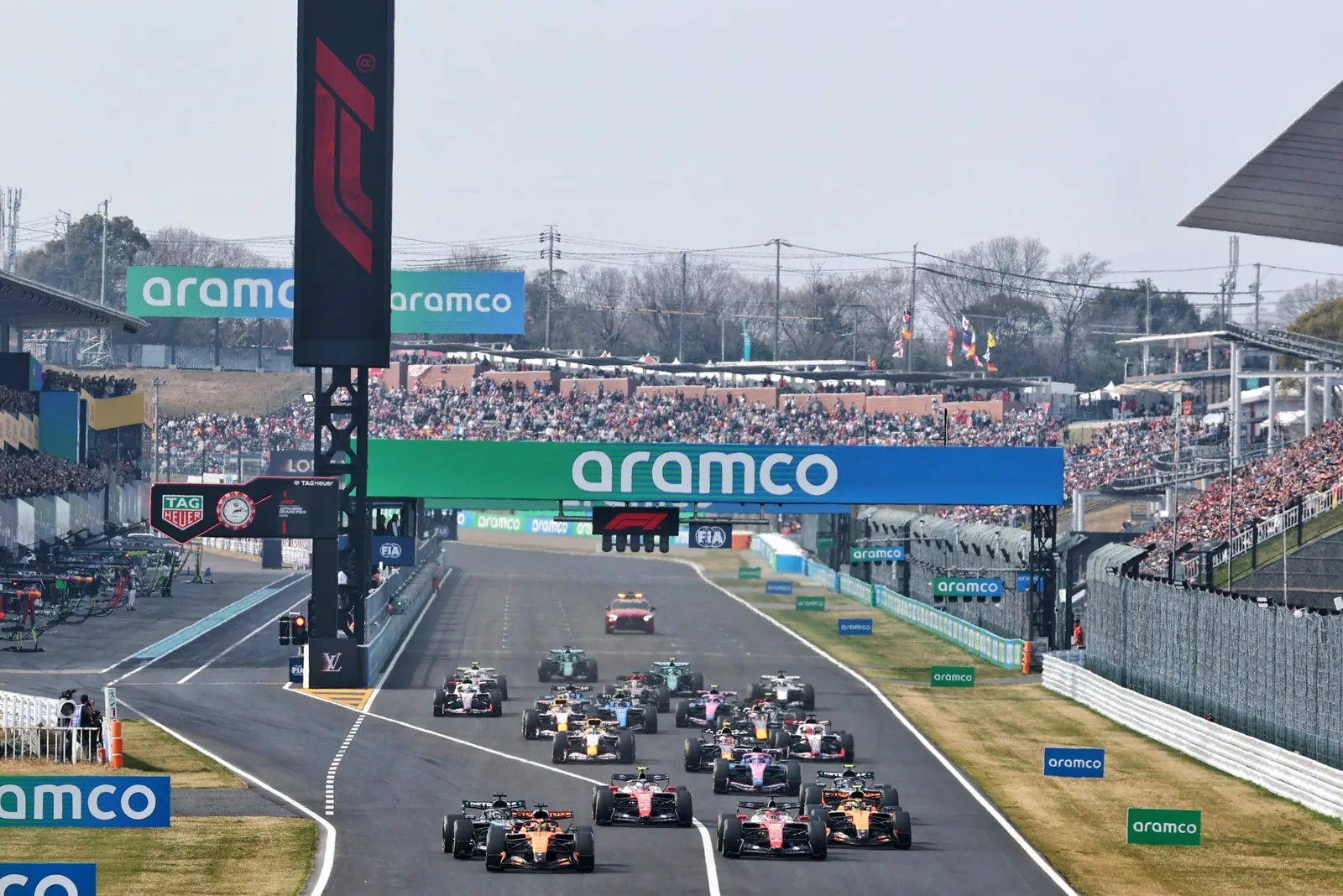
Formula 1 could undergo major changes as early as the next races of the 2026 season. FIA, teams, and manufacturers will meet to discuss urgent adjustments to the regulations, following evident problems in the first three rounds of the year.
Read more F1: Montoya suggests Verstappen at Mercedes from 2027
According to information from ‘The Race’ website, there is a consensus in the paddock that some areas need immediate intervention. The expectation is that changes will be approved even before the Miami GP, scheduled for early May.
The meeting is scheduled for April 9 and will bring together technical chiefs, representatives of engine manufacturers, as well as officials from the FIA and F1 itself. The agenda mainly includes three points considered critical after the start of the category’s new era.
Safety appears as a priority after Oliver Bearman’s heavy crash at the Japanese GP. The speed difference between cars in different energy use modes was pointed out as a risk factor, something that had already been criticized internally and gained even more weight after the episode.
Another point under debate is the loss of qualifying quality. Drivers like Charles Leclerc lamented the end of on-the-limit laps in Q3, as the current model requires intense energy management, with techniques like lift and coast and super clipping directly interfering with performance.
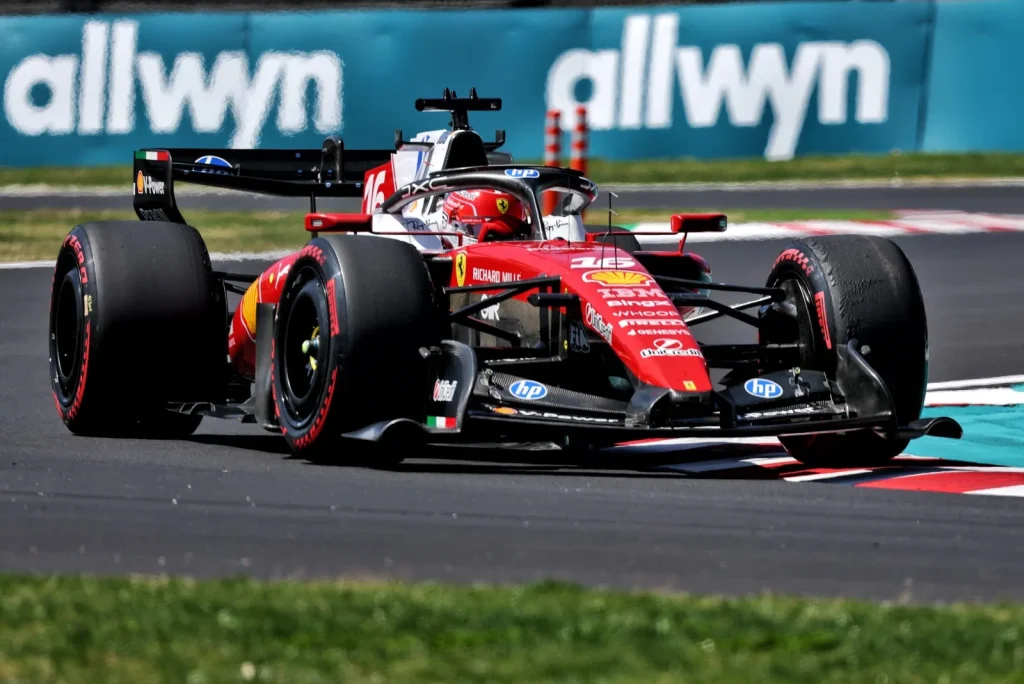
Additionally, the sharp drop in speed at the end of straights, caused by battery energy depletion, has also become a target of criticism. The effect, besides impacting driving, harms the visual experience, with a noticeable reduction in speed and engine sound.
Given this scenario, six solutions are being analyzed. Among them is increasing the energy recovery capacity under full acceleration, reducing the need to save energy more conservatively during laps.
Read more Pernía wins in Cascavel and joins the TCR South America title fight for good
Another possibility involves reducing the available power to prolong energy use along the straights, avoiding sharp drops in speed. There are also discussions about further limiting the amount of energy recovered per lap, which could force a more aggressive driving style.
There are also bolder ideas, such as making the use of active aerodynamics more flexible, allowing drivers more freedom in using low-drag modes during the lap. This could help balance performance and improve racing.
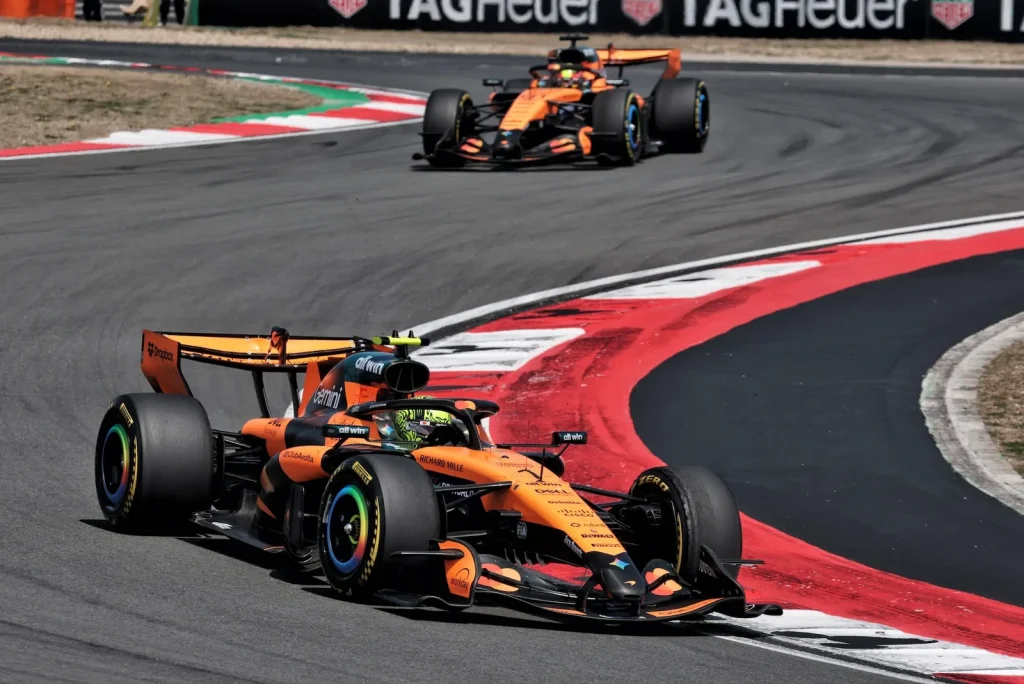
Deeper changes to the engines, such as increasing the contribution of the internal combustion engine, were also considered, but are not expected to happen before 2027 due to technical and reliability limitations.
Finally, simplifying the regulations is also on the table. The current complexity has generated confusing situations even for the drivers, with electronic systems directly interfering with performance at critical moments.
The meeting could define the immediate course of Formula 1 in 2026, with adjustments that seek to return more control to the drivers and make races and qualifying more competitive and predictable.
Read more NASCAR Brasil: Two-time champion, Martelli seeks solid result in the season opener