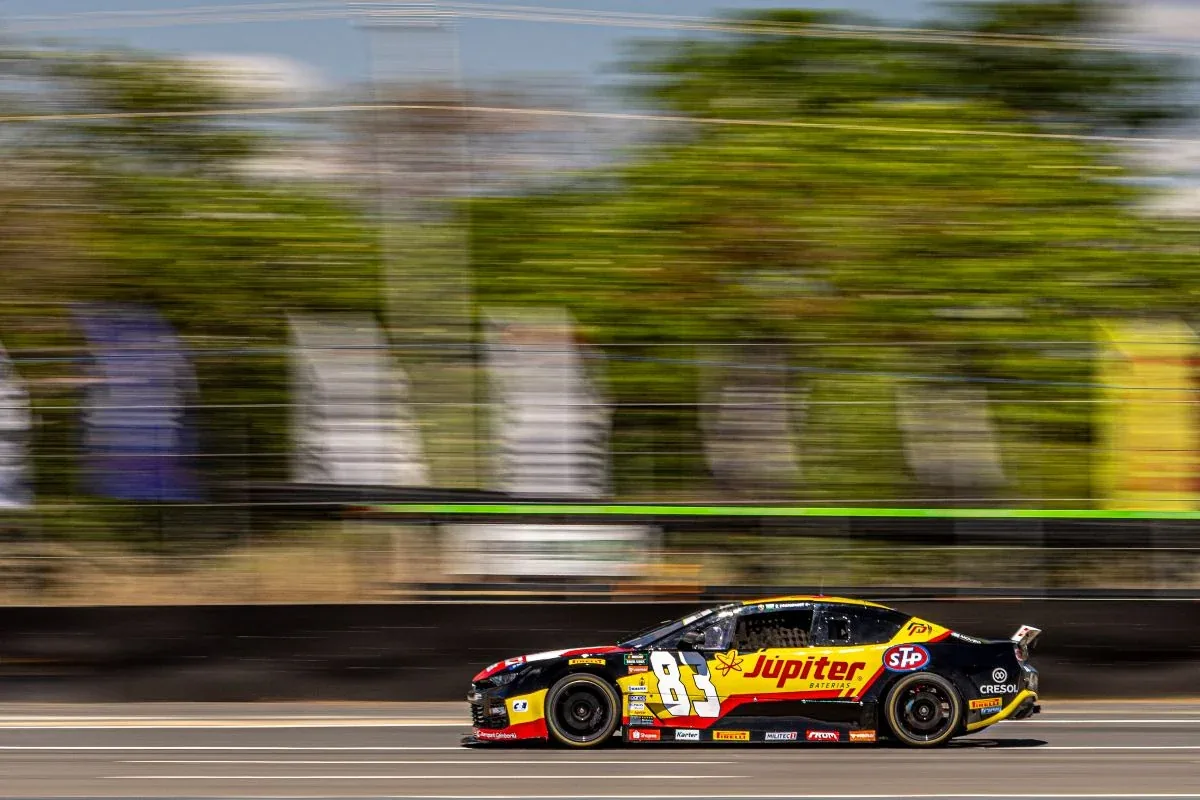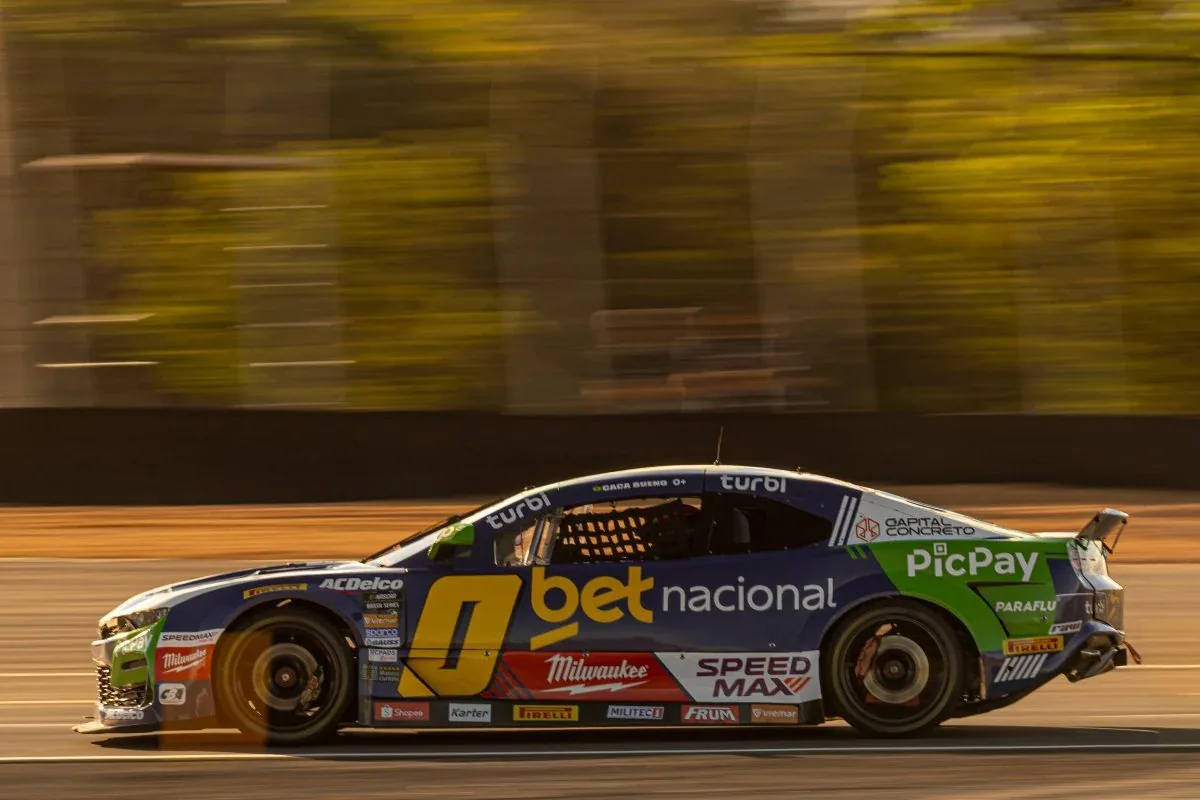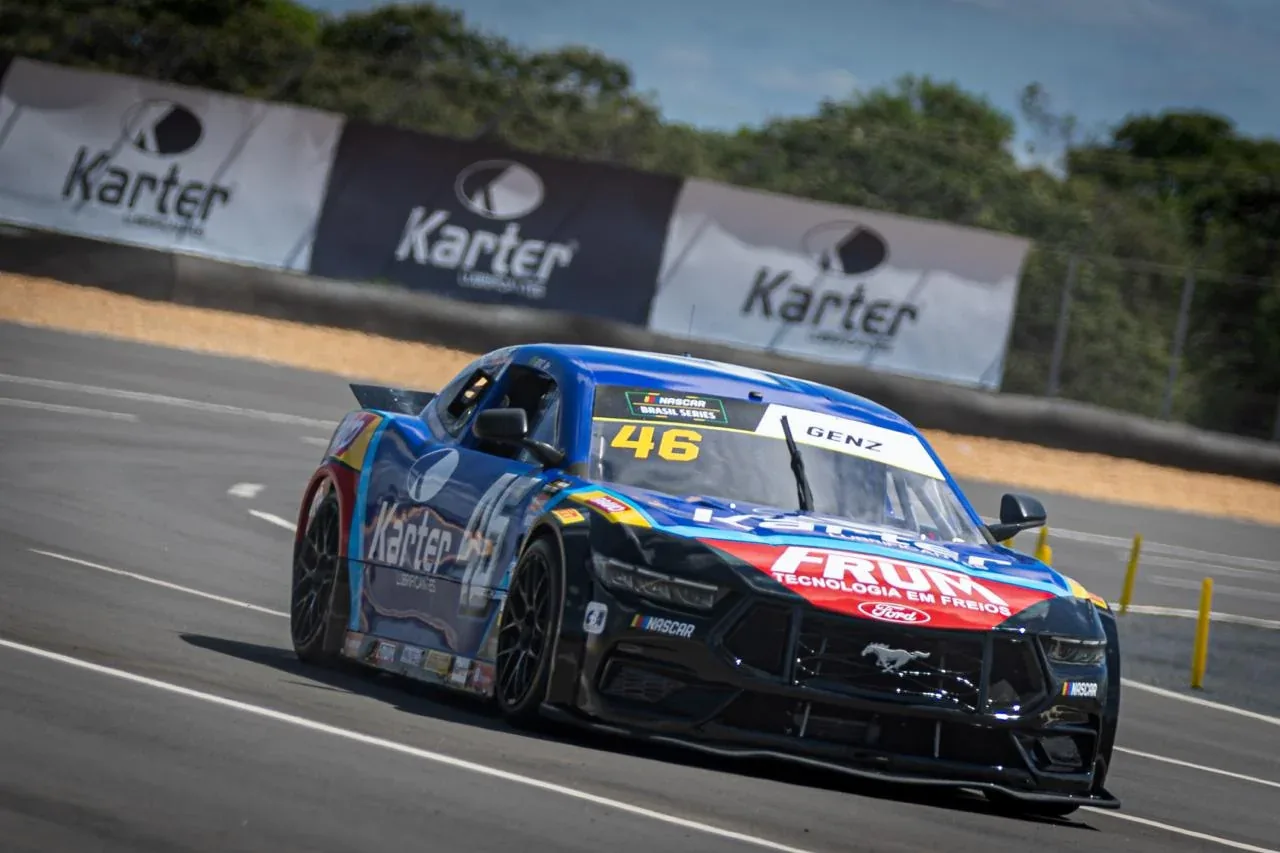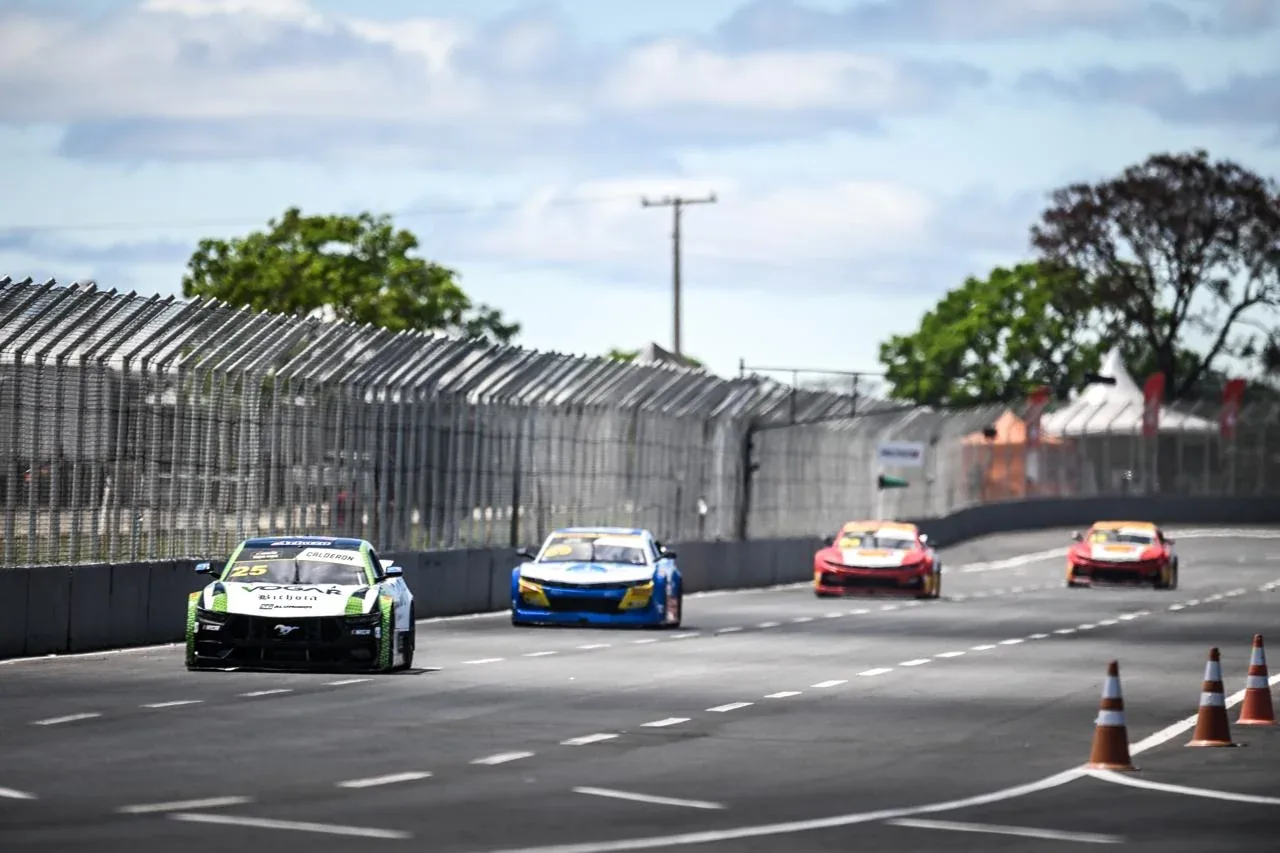
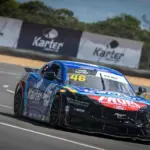



Londrina put tires in the spotlight in the sixth round of the 2026 NASCAR Brasil season. On one of the most demanding circuits on the calendar, wear was one of the main challenges faced by drivers and teams throughout the weekend, and also left an important reflection for the category thinking about the future.
Read more F1: Williams confirms Browning in FP1 of the Italian GP
Thiago Camilo had already warned after qualifying: the track was extremely abrasive and tire consumption was high. The scenario was confirmed in the races and, especially, in the Sprint Race, which ended up having its dynamics limited by the need to preserve the equipment.

This is a point that deserves attention, especially because the Sprint’s function is precisely to add an extra dispute to the weekend. When the concern with tires becomes too great, there is less room for what NASCAR Brasil does best, which is high competitiveness.
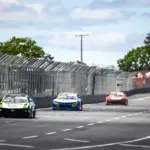
At the same time, Londrina showed that the problem can also be an opportunity. Race 2 was the best demonstration of this. Gabriel Casagrande, Thiago Camilo and Arthur Gama reached the final laps separated by a few tenths and alternated positions until victory was decided practically at the checkered flag.

Therefore, tire wear can be one of the interesting points for the category to study for 2027. Not necessarily to eliminate the challenge, but to find a way to transform it into another strategic tool.
Read more F1: Teams pressure for decision on Qatar and Abu Dhabi
One possibility would be to work with two or more sets of tires during the weekend. Another would be to reserve a set exclusively for the Sprint Race in very hot races. These are alternatives that could give drivers more freedom to attack and, consequently, increase the possibilities of competition.

Londrina also provided good reasons for NASCAR Brasil to look at the final stretch of the season with optimism. Gabriel Casagrande left the stage as the new championship leader after achieving an important victory, while Thiago Camilo confirmed his strength with a first and a second place.
In the end, the Paraná stage functioned almost as a test for the future. The track showed its limits, the drivers showed that they can still produce great disputes when they have room to attack, and the category gained more information to think about how to make its events increasingly competitive.
If 2026 taught that tires can be protagonists, 2027 can be the opportunity to make them part of an even bigger spectacle.
Read more F1: Red Bull admits setback after Dutch GP