








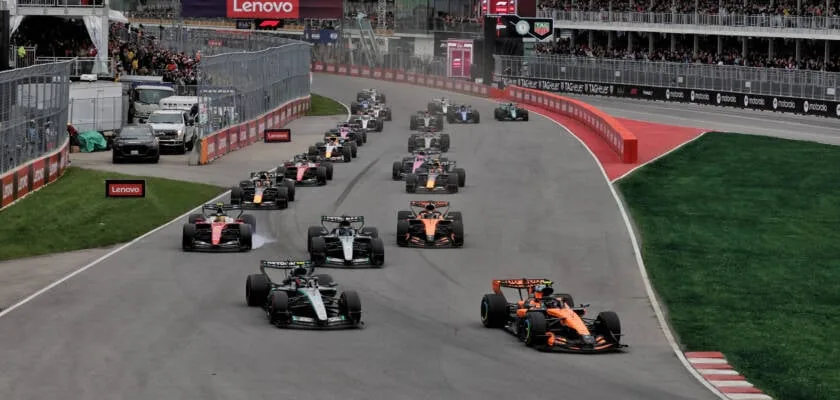
The FIA is already working with an ambitious goal for the next generation of Formula 1 cars, aiming to reduce weight by another 80 kg. Nikolas Tombazis considers that the 2026 regulations represented progress, but states that there is still room to make the cars smaller and lighter.
Read more F1: Alonso would have requested a contract of 40 million euros per year until 2028
Currently, the existing rules set a minimum weight of 768 kg, 32 kg less than recorded last season. The wheelbase was also reduced by 20 cm, while the width decreased by 10 cm, measures that are part of the concept of more agile cars advocated by the entity.

Although complaints about power units and energy management have dominated the debate during the first eight months of the year, Tombazis positively evaluated the behavior of the new cars: “I think probably yes, although one should never assume the work is finished. But I think the cars follow each other more closely,” said the FIA single-seater director to Motorsport.com.
According to Tombazis, the dirty air effect was reduced to a level similar to that observed at the start of the 2022 season, but the current regulations would be more protected against aerodynamic solutions capable of compromising their objective: “I believe we are in a situation similar to the start of the 2022 championship, but I think this year is a bit more robust,” he said.
Read more F1: Red Bull confirms signing of McCullough from Aston Martin
The official also highlighted that the cars still require skill from the drivers: “When we have the twenty-two best drivers in the world, we should also have cars that are not exactly easy for my grandmother to drive,” he continued. At the same time, the increase in the car’s ride height made the single-seaters less physically aggressive, especially after the experience with ground effect cars.
For the next regulation cycle, however, the FIA intends to go even further: “I would like us to be another 80 kg lighter, and maybe still a bit shorter and smaller in the future,” revealed Tombazis, indicating that this is the goal for the rules planned for 2031, or 2030 if there is enough support.
The weight reduction also represents an important change compared to the category’s historical trend: “This is the first time I think Formula 1 cars have become lighter since probably the year 2000, at least, or maybe earlier,” concluded Tombazis.
Read more F1: Rafael Câmara avoids euphoria over rumors about Haas seat