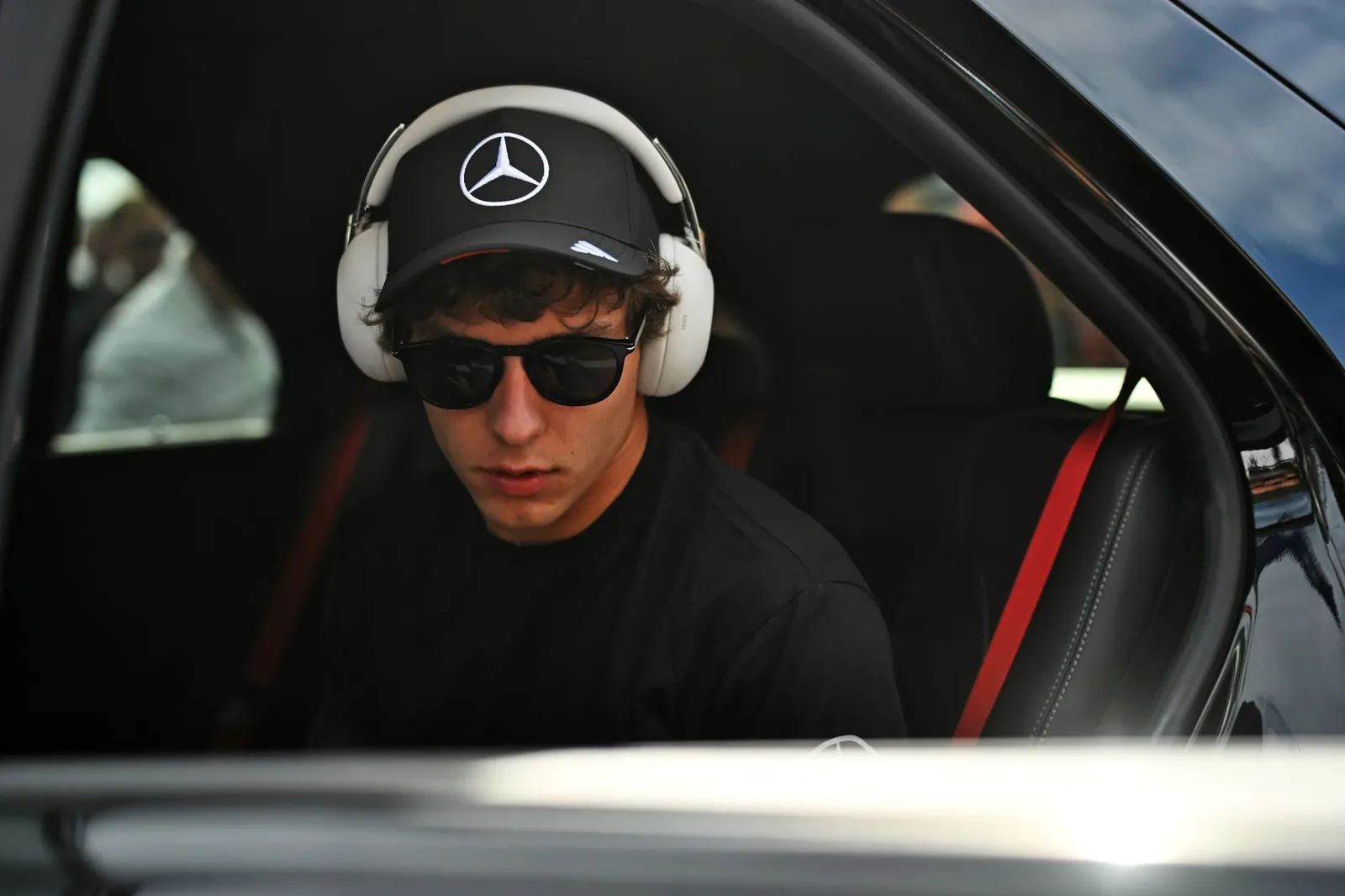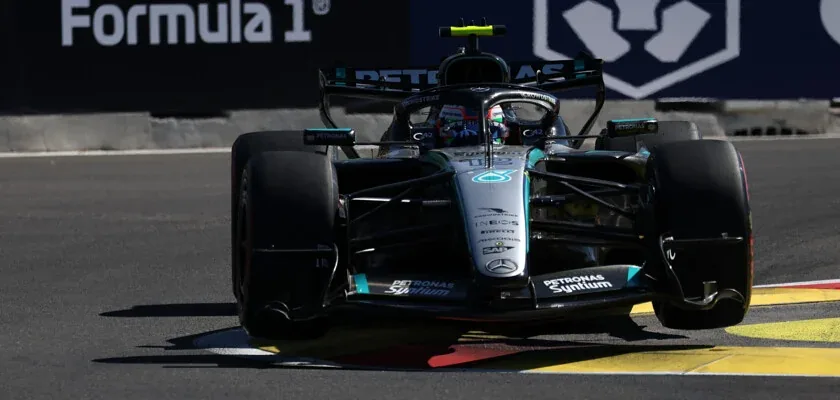






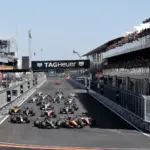
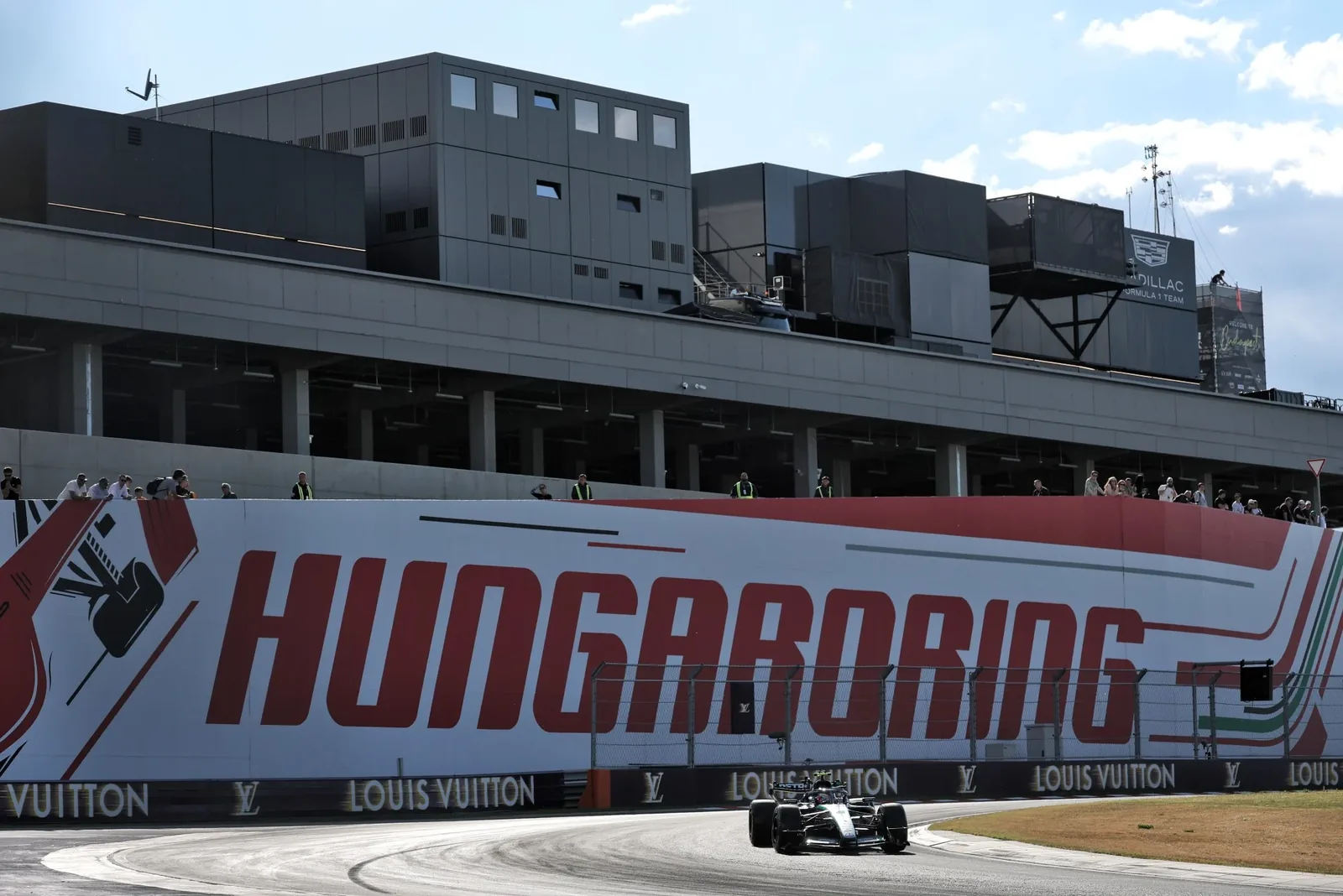
The controversy over what it really means to slow down sufficiently under a yellow flag has returned to the spotlight in Formula 1 after Kimi Antonelli’s penalty at the Hungarian GP. Former driver Anthony Davidson revealed that even the competitors do not have a consensus on how the rule should be applied.
Read more F1: Steiner evaluates Red Bull as the «weakest link» among the top teams of 2026
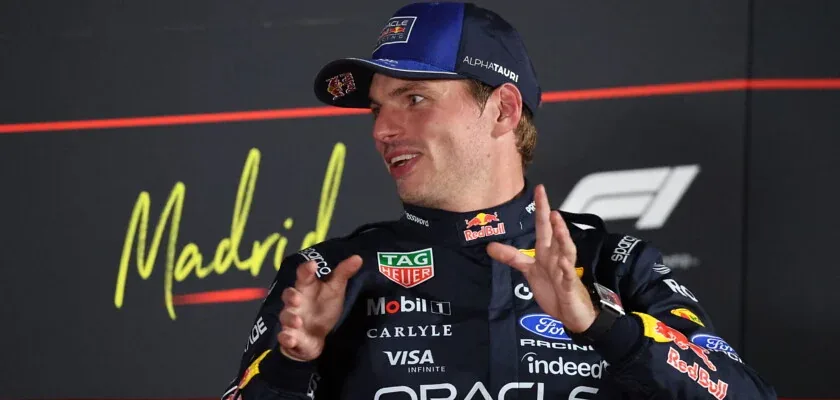
Antonelli lost three grid positions at Hungaroring for not slowing down in a manner considered adequate during the yellow flag caused by Max Verstappen’s spin in Q3. The Italian had set the fourth best time but was penalized by the stewards.

The episode gained even more attention because it happened just weeks after George Russell escaped a similar investigation at the Austrian GP. On that occasion, Russell eased off the throttle when passing the site of Verstappen’s incident and kept pole position, while Antonelli abandoned his lap.
Data analyzed later showed that Russell lost about 0.08 seconds compared to his previous lap, while Antonelli slowed by approximately 0.6 seconds in Hungary. Still, the stewards understood that the Italian’s deceleration was not sufficient.
During the Mercedes podcast, the Nu Silver Arrows Radio Show, Davidson commented that the decision was far from clear. “When I analyzed the incident, I honestly didn’t know what the stewards’ decision would be. It was a very close case. Even though Kimi saw the flag immediately, he had already started to react. He lifted off the throttle earlier than usual and entered the corner at a lower speed,” he said.
Mercedes deputy team principal Bradley Lord explained that Antonelli began to ease off about 15 meters before the usual braking point, but that was not enough to meet the stewards’ understanding. “In Austria, he completely abandoned the lap. This time, the reduction was not considered sufficient, and that was the decision made,” Lord said.
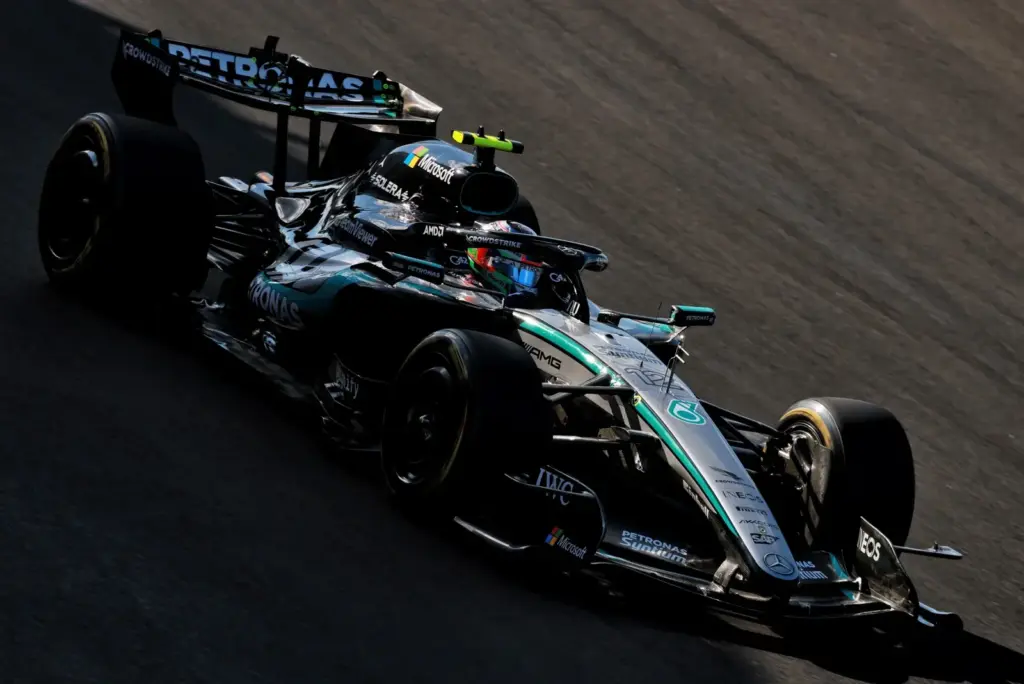
Meanwhile, Mercedes deputy technical director Simone Resta argued that the comparison used by the stewards may have harmed Antonelli. According to him, the reference lap used in the analysis did not represent the driver’s real potential in that sector.
Read more F1: Presenter explains departure from Sky Sports and reveals support from Hamilton
“There was another important element. The lap used as a reference was not ideal. In that specific section, it did not reflect Kimi’s true pace. That made the situation more complicated because, even slowing down, he ended up being compared with a sector slower than he could normally do,” he explained.
Resta added that Antonelli pointed out that, comparing the section with laps from TL3, when the car was heavier due to fuel, he was still faster despite having eased off.
FIA regulations do not establish an objective value for speed reduction in yellow flag situations. The evaluation is up to the stewards, which often leads to different interpretations.
For this reason, part of the paddock advocates that any car stopped during qualifying should automatically trigger a double yellow flag, eliminating doubts about the need to abandon the lap.
However, Davidson revealed that this is also not a consensual solution among the drivers. “Talking with some drivers, including George Russell, it became clear that there is still no agreement within the paddock on how to deal with yellow flags in qualifying. Some argue that any stopped car should automatically generate a double yellow flag so that everyone knows exactly how to act. Others consider this unfair when the incident happens far from the racing line and unnecessarily compromises a fast lap,” he said.
Lord acknowledged that race directors face an extremely complex task. “You can’t envy the work of the race direction and the stewards. Every incident is different. The circumstances change, corner speeds are different, run-off areas vary, and the context is never exactly the same. Like everyone watching, sometimes we get frustrated with some decisions and satisfied with others. Consistency is very difficult precisely because there are no two identical cases,” he concluded.
Read more F1: Sepang clarifies Malaysia GP schedule after app confusion