

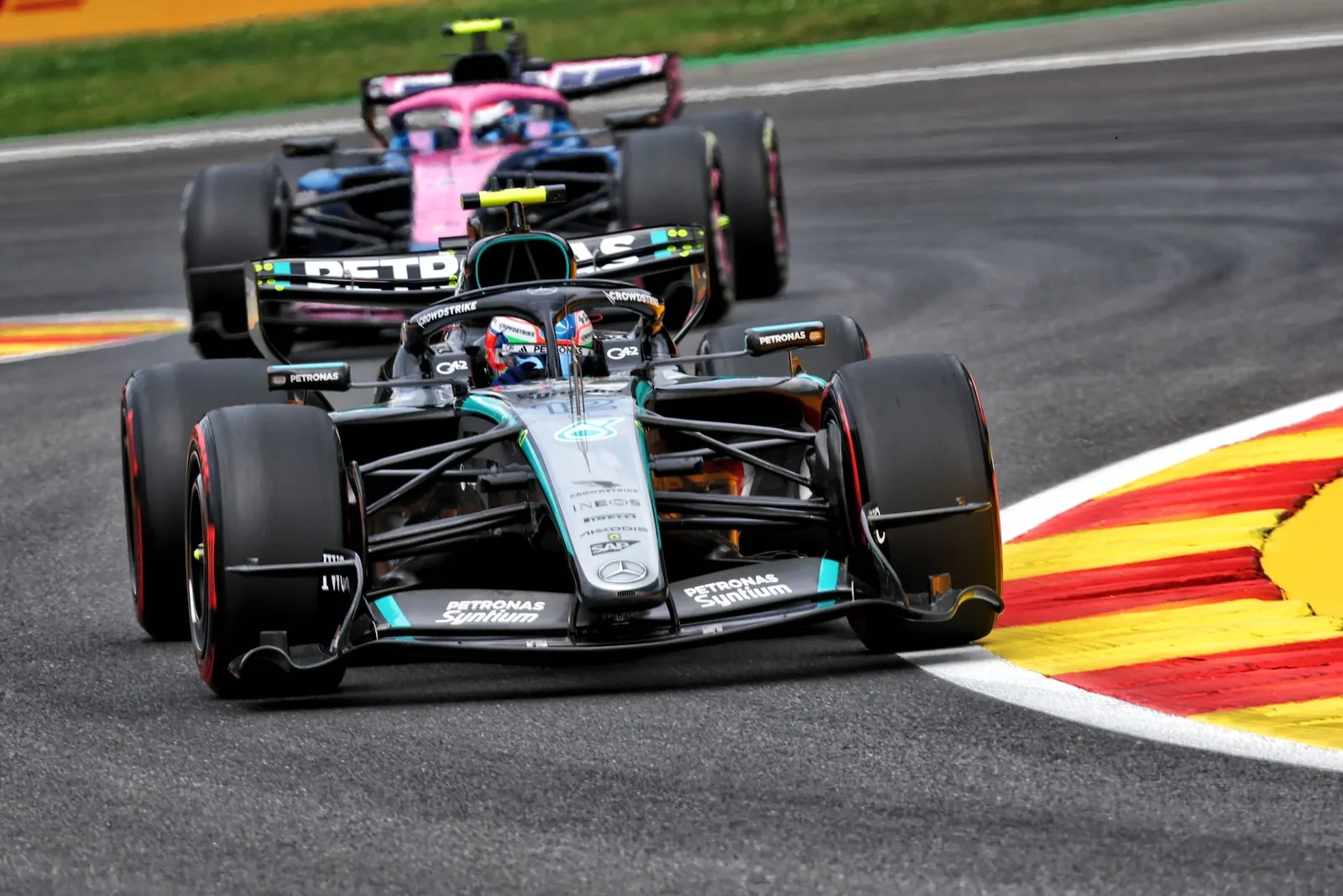
Mercedes ended Friday as the main reference in Formula 1 at the Belgian GP, leading both the qualifying simulation and the race pace projection. Kimi Antonelli led FP2, but the data shows Ferrari, McLaren, and Red Bull close enough to keep the battle open at Spa-Francorchamps.
Read more F1: Mercedes reacts after tough FP1 and puts Antonelli on top
In the qualifying projection, Mercedes appears in front, with Red Bull 0.17 seconds per lap behind. Ferrari and McLaren form the second group, separated by only 0.02 seconds, with respective deficits of 0.33 and 0.35 seconds. From there, the gap widens: Racing Bulls appear 0.93 seconds behind, while Alpine and Audi are 1.28 and 1.51 seconds back.

The scenario is similar in race simulations. Mercedes remains the reference, but Ferrari reduces its deficit to 0.30 seconds per lap. McLaren and Red Bull are practically tied, at 0.37 and 0.38 seconds respectively, indicating a balanced battle among the top four teams if the pace observed on Friday holds.
Antonelli reinforced this condition by being the fastest in FP2. The Italian had already impressed on his first attempt with Medium tires, setting a lap better than Max Verstappen’s with Softs in FP1. By putting on the faster compound, he improved by about a second and finished 0.190 seconds ahead of Lando Norris.
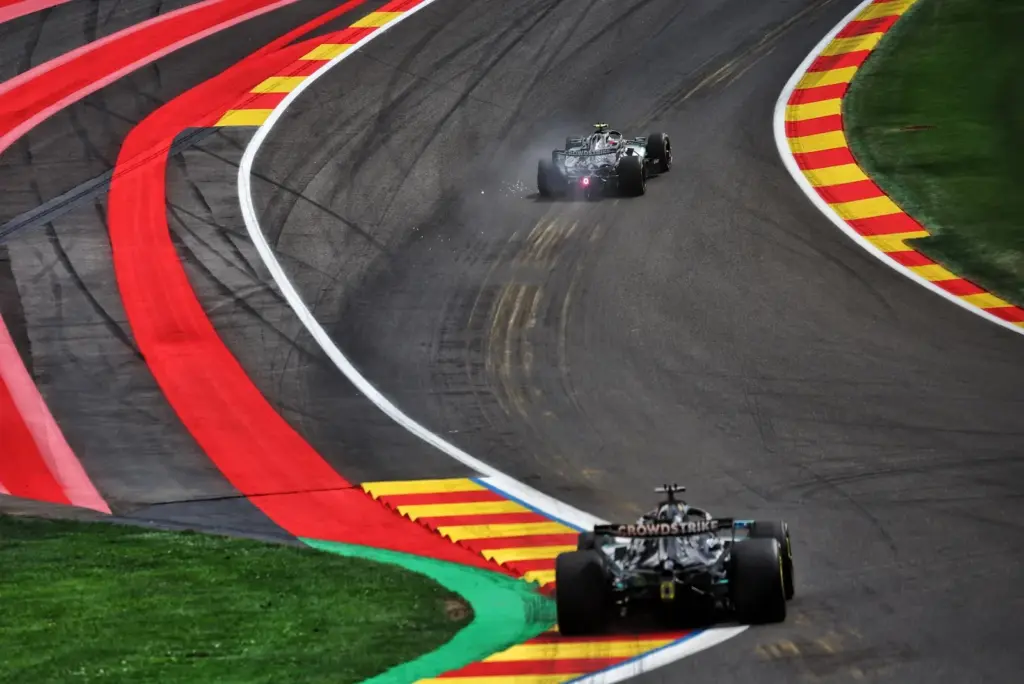
The ideal lap analysis also places Antonelli in front, followed by Norris and Verstappen. The McLaren driver was one of those who came closest to extracting all the potential from his best sectors, leaving only 0.056 seconds on the table. Antonelli could have improved by 0.193 seconds, while Verstappen lost 0.293 seconds compared to the combination of his best partials.
Lewis Hamilton also had room to improve, with a difference of 0.299 seconds between his recorded lap and the ideal one. Charles Leclerc left 0.351 seconds, while George Russell wasted 0.447 and Oscar Piastri 0.469 seconds. Isack Hadjar could have found 0.494 seconds, and Gabriel Bortoleto 0.519 seconds.
The numbers help explain why Antonelli’s advantage over Russell drew so much attention. The championship leader finished 1.2 seconds ahead of his teammate, who did not show the same level of confidence in the car. Russell reported that the tires were a bit cold, but this condition alone would not justify such a large difference.
Mercedes presented the most balanced package among slow, medium, fast corners, and straights. Ferrari was competitive in low-speed corners but lost about 0.68 seconds to Mercedes on the straights, a relevant point at Spa. McLaren showed performance close to the reference in practically all areas, while Red Bull had its smallest deficit precisely on the straights.
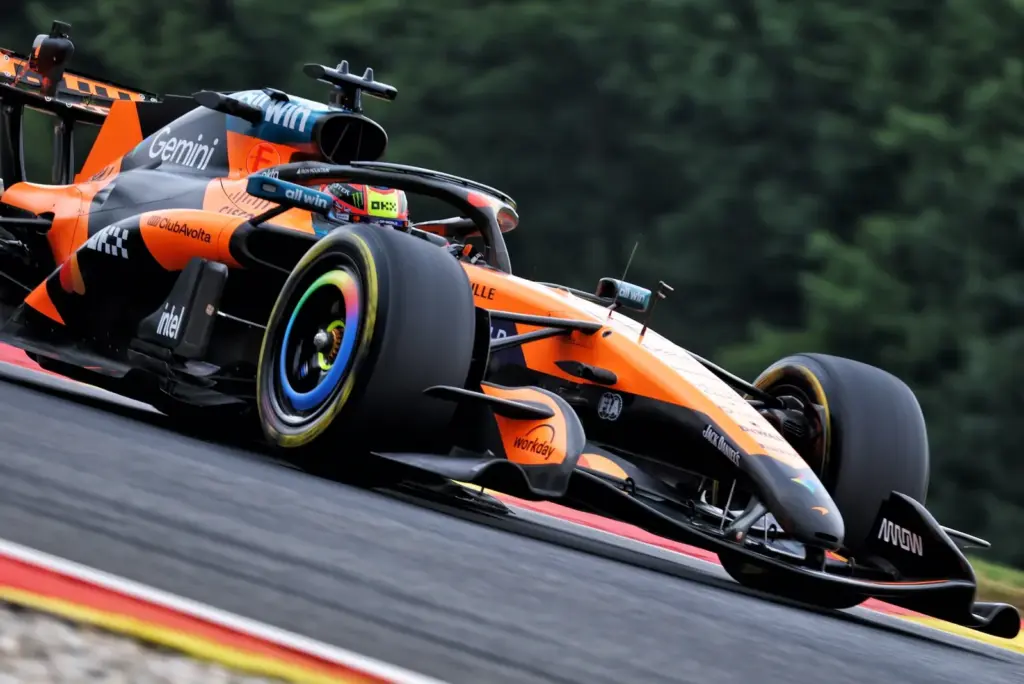
This behavior puts McLaren in a more competitive position than the team expected before the weekend. Norris finished FP2 in second, although he avoided raising expectations. “I think we’re probably still the fourth force. If we get everything right, maybe we can get a bit closer than we were in Silverstone,” he said.
Read more F1: Stroll vents and sees the Hungarian GP as Aston Martin’s decisive test
Oscar Piastri had a tougher preparation. The Australian lost part of FP2 while McLaren fixed a hydraulic leak that appeared at the end of the first session, but managed to return to the track, complete his attempt with Soft tires, and gather data in a longer sequence.
Red Bull, in turn, started the day in front with Verstappen in FP1. It was the first time this season that the Dutchman led a practice session, and the car showed more predictable behavior. In FP2, however, the four-time world champion complained again about downshifts he called unacceptable and finished almost half a second behind Antonelli.
Still, Verstappen gave a positive assessment of Friday. “The balance was there from the start. We just need to make some adjustments to the car, which we hope will unlock a bit more pace. Considering the package we have, it was a good day,” he explained.
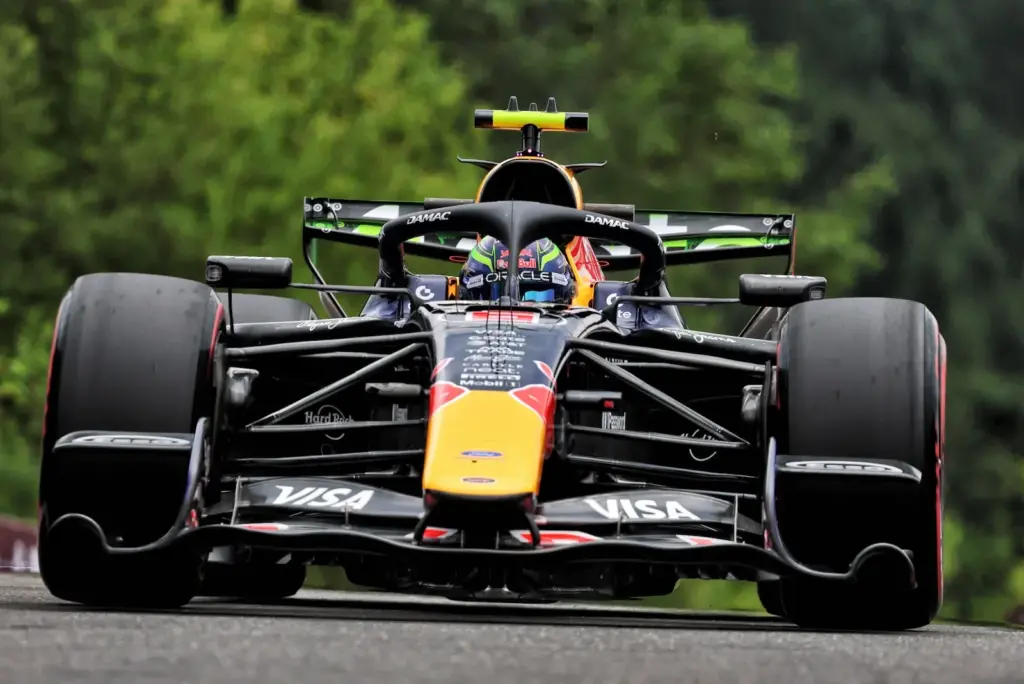
Hadjar also showed competitiveness and finished FP2 about 0.3 seconds behind his teammate. The Frenchman will start from the back of the grid due to penalties for power unit component changes, but the pace shown by Red Bull indicates he may be able to recover positions in the race.
Ferrari started well in FP1 but lost ground in the second session. Hamilton finished fourth, still 0.75 seconds behind Antonelli, while Leclerc appeared only in 11th. The Monegasque’s position, however, did not fully represent his potential, as a lap that would have placed him seventh was deleted due to track limits.
In long runs, Ferrari appears as the closest rival to Mercedes, which broadens their prospects for Sunday. In qualifying, Red Bull appears second in the projection, favored by Verstappen’s strength in a fast lap and the car’s good performance on the straights.
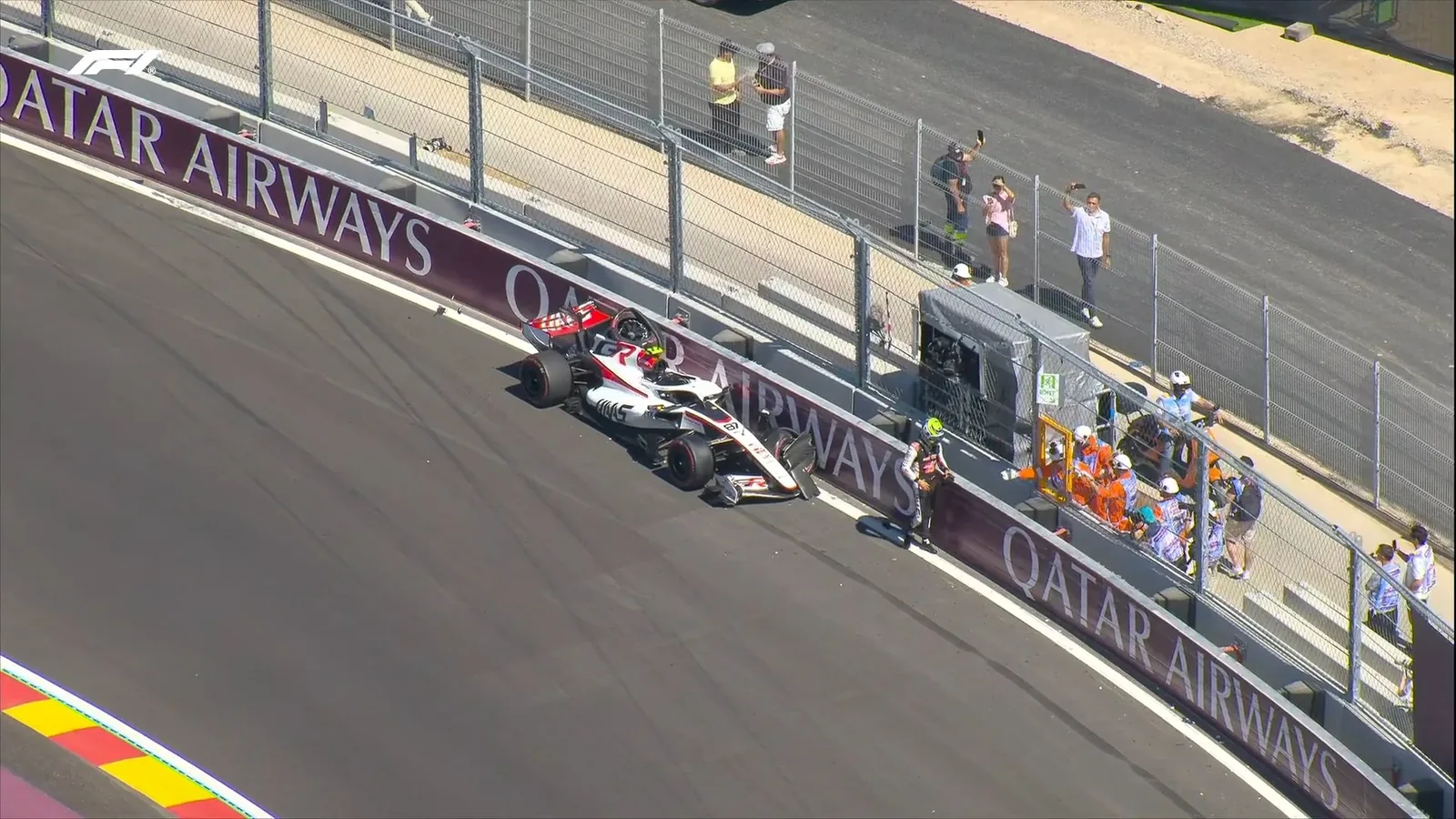
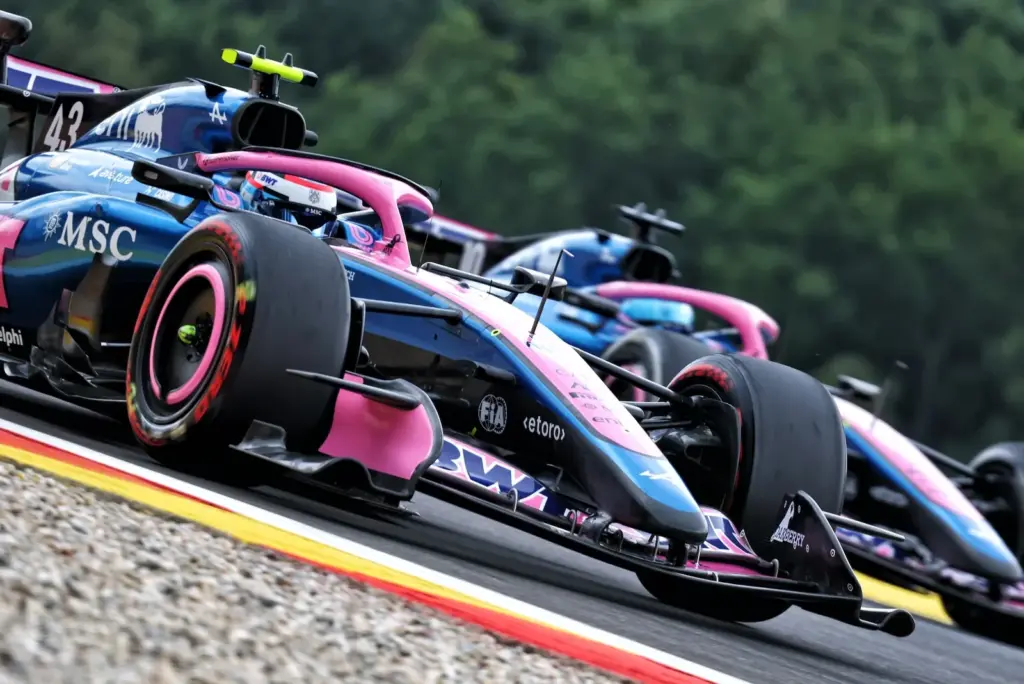
Race data collection was hampered by Pierre Gasly’s accident. The Alpine driver lost control exiting turn 13 and hit the barriers, causing a red flag that interrupted the teams’ long runs. Therefore, the projections should be treated as trends, not as an absolute definition of the order of strength.
Even with this caveat, Friday pointed to Antonelli and Mercedes as the combination to beat. Ferrari, McLaren, and Red Bull remain close but will need to find a few tenths before qualifying to prevent the Italian from turning the pace of the sessions into another prominent grid position.
Read more F1: Williams sees progress, but admits distance from direct competitors