





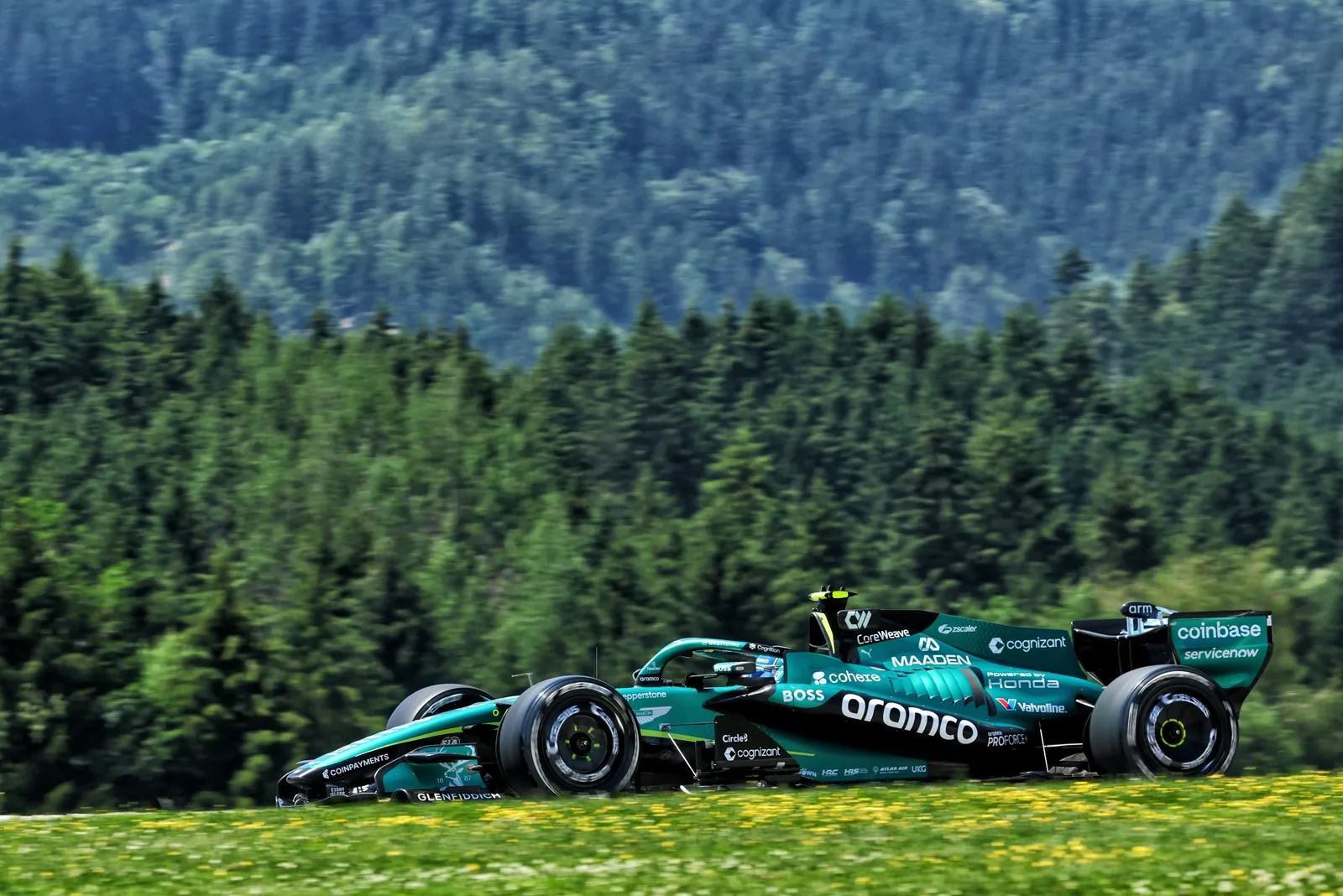
Honda sees the Belgian GP at Spa-Francorchamps as a key stage to evaluate the performance and reliability of its current power unit before the arrival of Aston Martin’s new internal combustion engine, scheduled for the Dutch GP in Zandvoort on August 23.
Read more F1: McLaren confirms new Mercedes engine for the Belgian GP
Developed within the FIA’s (International Automobile Federation) Additional Development and Upgrade Opportunities (ADUO) system, the first update of the Japanese manufacturer’s combustion engine will be introduced after the summer break. Until then, Honda and Aston Martin will have the Belgian and Hungarian rounds to improve their understanding of the current equipment’s behavior.

Shintaro Orihara, Honda’s track general manager and chief engineer, highlighted that Spa’s characteristics make the circuit a great challenge for drivers and engineers:
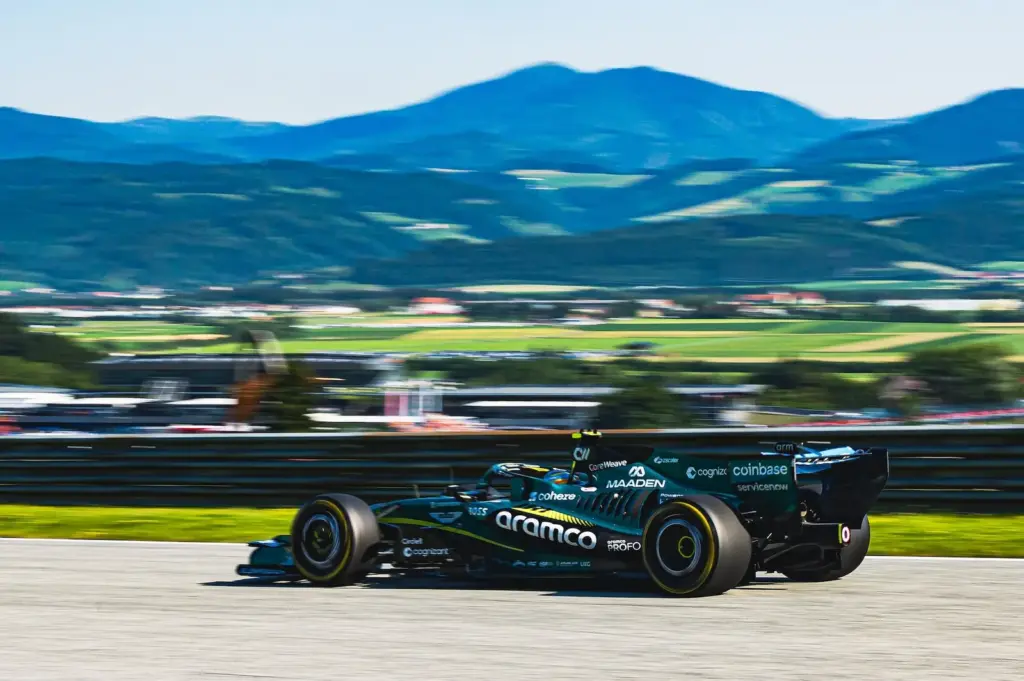
“Spa hosts the longest circuit on the 2026 calendar, and it is also one of the most popular among drivers and fans. It is a technical circuit for the drivers, with complex corner sections,” he said. “The combination of long straights and high-speed corners makes the circuit very challenging also for engineers, both to predict throttle application and to analyze energy distribution throughout the lap.”
Read more F1: Steiner questions FIA explanation for Silverstone finale
According to Orihara, energy management will be one of the main points of attention during the weekend. “It will be a test for manufacturers in terms of energy management, so we need to consider how we will distribute MGU-K power on the long straights. Energy recovery here is quite limited, even considering the circuit length. This places more emphasis on getting the distribution plan right. The straights also demand a lot from the power unit overall, not just for performance but also for reliability.”
The partnership between Honda and Aston Martin had a difficult start to the season. The team scored only one point in the first nine rounds, achieved by Fernando Alonso with 10th place in Monaco.
Additionally, the Japanese power unit suffered from severe vibration problems, which caused damage to batteries and components, forcing the team to use more conservative engine modes. As a result, Alonso and Lance Stroll faced difficulties in the battle for grid positions.
Read more F1: Colapinto bets on record attendance for possible Argentine GP