





Nikolas Tombazis, the FIA’s single-seater director, stated that the new Formula 1 regulations for 2026 have started consistently, but acknowledged that adjustments may be necessary as the season progresses. The first race of the new regulatory cycle, to be held this weekend in Australia, will serve as the first major test for the new rules related to power units.
Read more F1: Norris and McLaren nominated for a major award
The performance of the cars, which start the regulatory cycle just a few seconds behind the 2025 season cars, is considered encouraging. This is seen as a good indicator of the potential of the new cars, especially considering the aerodynamic changes that significantly reduced downforce compared to the previous year.
However, the new 50/50 engine characteristic between combustion and electric power has been a challenge for drivers. Some, such as Max Verstappen and Lewis Hamilton, expressed concerns about the need for new driving techniques. Tombazis, for his part, did not rule out future adjustments, stating that driver criticism is taken into account in the rule evolution process.
“We are still in the early stages of the regulations. We know that adjustments may be necessary and we are open to discussing this with the teams and power unit manufacturers,” said Tombazis. According to him, it is a continuous process of adaptation and it is important to listen to the opinions of drivers and teams to ensure that the regulations are as balanced as possible.
Read more F1: Tension in the Middle East puts Bahrain and Saudi Arabian GPs at risk
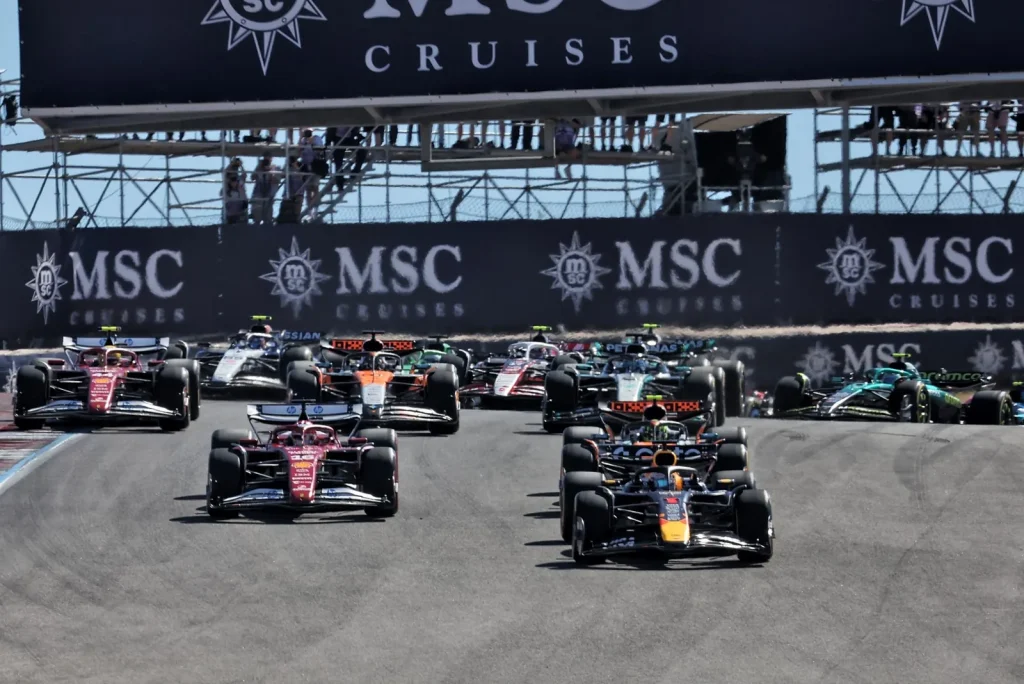
Although the changes are not expected to be major, the FIA has already discussed some possibilities, such as increasing the energy recovery rate. However, Tombazis highlighted that no changes will be implemented before a cycle of races that allows for a more detailed analysis of the collected data.
Adjustments, if necessary, will go through a governance process and will require approval from the F1 Commission or the Power Unit Advisory Committee for engine-related issues. Even with these possible adjustments in mind, Tombazis believes that the foundation of the new regulations is solid and promises an interesting start to the season for Formula 1 in 2026.
Read more F1: Racing Bulls prepared for the start of the season in Melbourne