





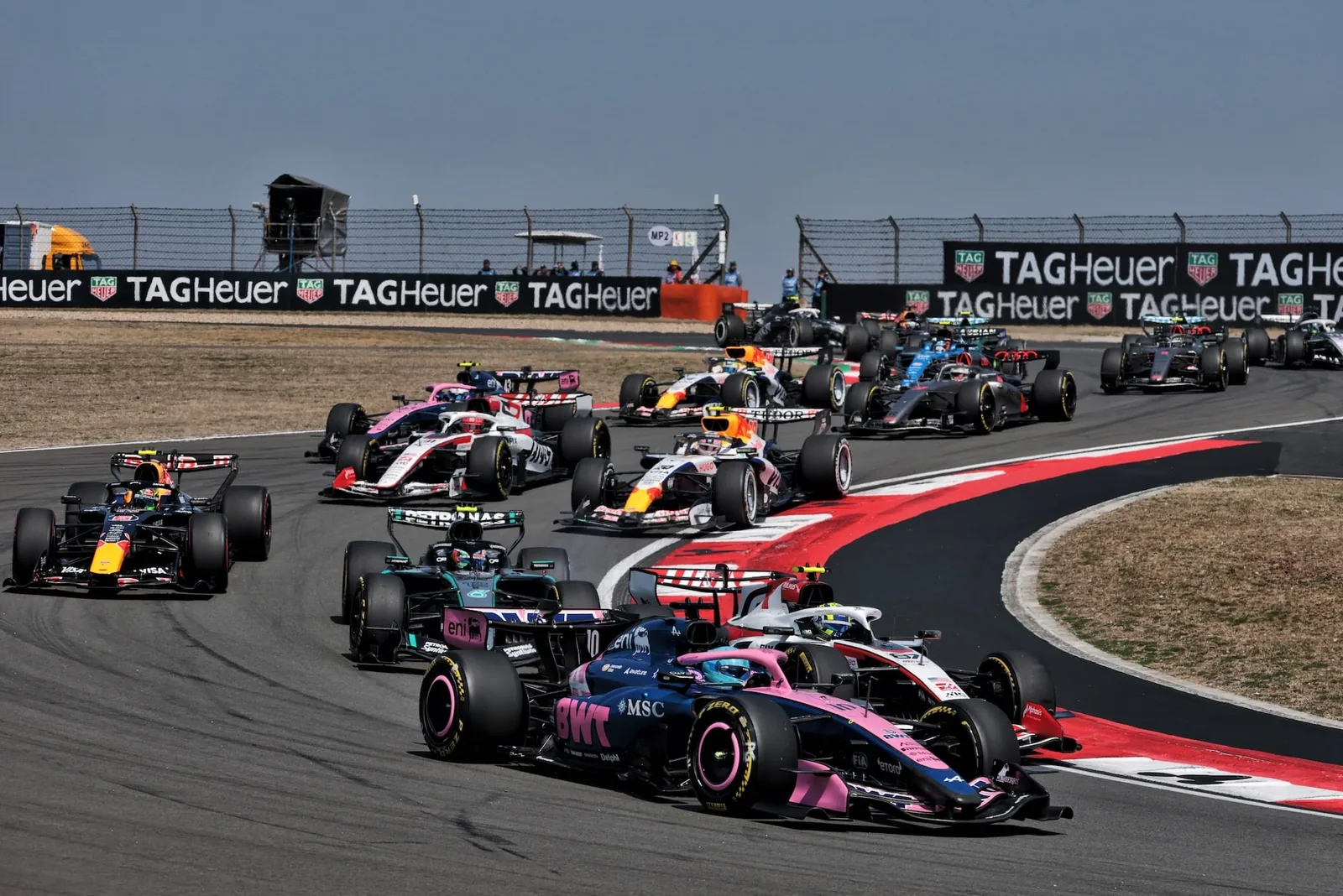
The 2026 Formula 1 is not the same sport as twelve months ago. New power units, new aerodynamic regulations, three debutant teams, a reshaped grid, and a genuinely open championship on the eve of the Canadian GP. For the millions of Formula 1 fans in Brazil who follow every race weekend, it is also one of the most interesting seasons in recent years to have something at stake.
Read more F1 today: Bearman targets Ferrari and Canada shakes up the paddock
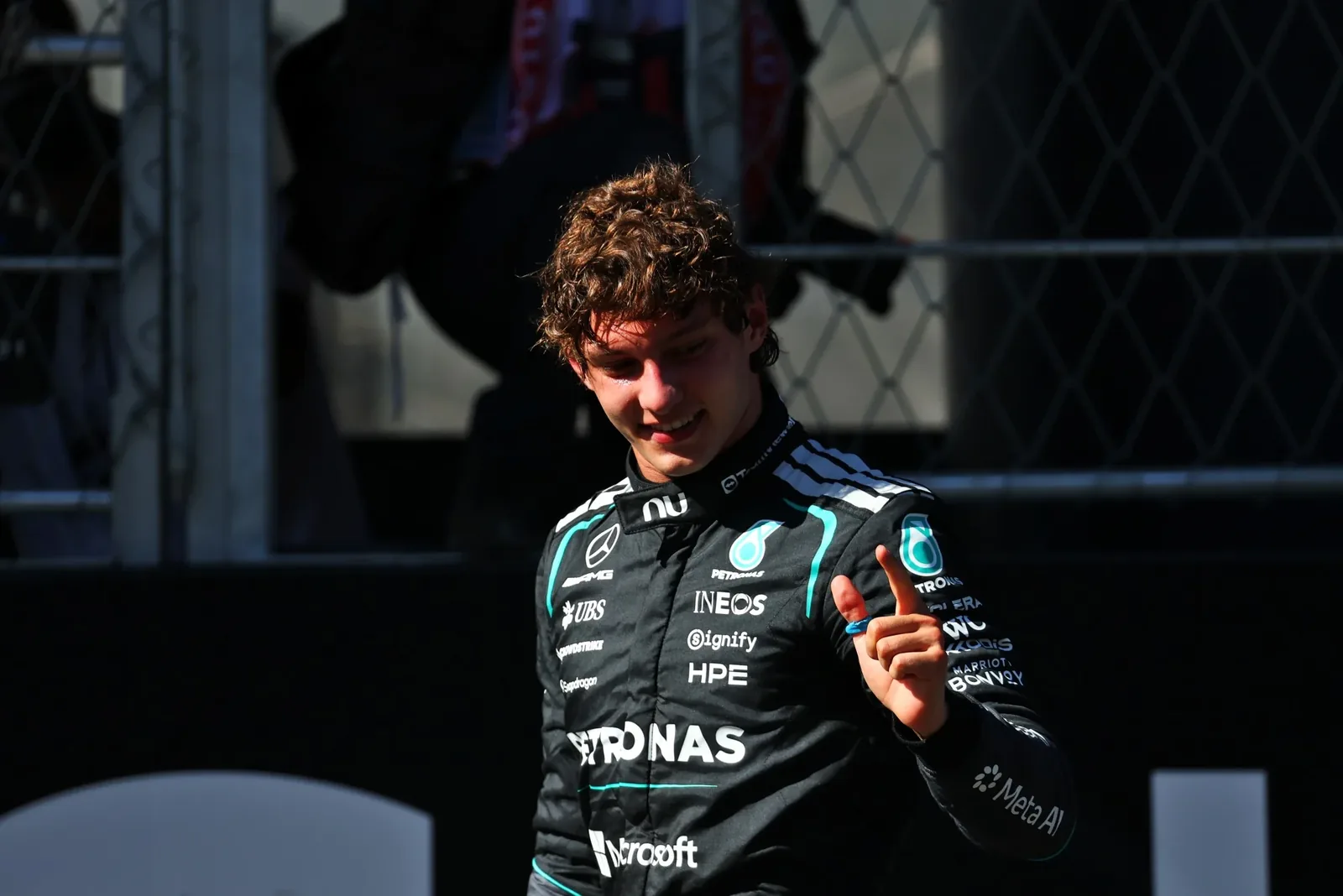
Kimi Antonelli has already won in China and Japan. George Russell took Australia. Max Verstappen publicly questions his future at Red Bull. Betting markets have been moving week by week in a way that simply did not happen during Verstappen’s era of dominance. For those who want to put their knowledge to the test, the scenario of old betting game platforms compared to newer ones matters more than it seems for F1 betting. Established platforms carry years of market depth in the category, with pre-race and live odds in every session, as well as driver markets that newer sites often still do not offer.
Why 2026 Is Different for Bettors
The change in regulations is the central factor. When technical rules change so drastically, performance history loses reliability and teams that adapt faster gain an advantage that the market takes time to price in. Mercedes looked strong before the season and delivered. Red Bull, dominant for three years, has been slower to unlock the potential of the new car.
This type of competitive realignment creates real value in betting markets. A bettor who noticed early that Antonelli was exceeding expectations in testing had an advantage in the early rounds that the odds had not yet absorbed. That margin closed as the season progressed, but the 2026 regulations suggest similar opportunities should appear again as teams bring updates and the hierarchy changes.
The regulated betting environment in Brazil has improved significantly since the rules came into effect in 2025. More than 25 thousand illegal sites have been blocked since the start of regulation, which means that the platforms still operating are those that met licensing requirements. For those betting on F1, this matters because it filters out low-quality providers, who usually offer shallow markets and slow odds updates during live broadcasts.
Markets Worth Following This Season
The championship market is the obvious starting point, but it is rarely where the best value lies mid-season. With Russell and Antonelli as the clearest candidates on the eve of May, the odds for both already reasonably reflect the current moment. The most interesting markets are race-by-race.
Qualifying performance is an area where consistent bettors who closely follow technical updates tend to find an edge. A team that brings a significant floor update for Canada or Monaco often outperforms its qualifying price before the market adjusts. Following technical journalists and team communications in the week before the race weekend offers publicly available information, but not always efficiently priced.
Read more F1: Russell admits difficulties after Antonelli’s dominance at the Miami GP
Constructor markets also deserve attention in a year of regulatory reshuffle. The difference between Mercedes and the pack has been real, but not as large as the drivers’ championship suggests. If Red Bull finds the car setup in the European swing, the fight for the constructors’ title could become much more contested.
The Brazilian GP and What to Watch
Interlagos, later this season, is the race every Brazilian fan marks on the calendar. The circuit rewards car balance and tire management over raw speed, which historically produces results that diverge from the championship order. The weather also tends to change quickly, creating live opportunities that agile platforms exploit better than slow ones.
The altitude of Interlagos affects power unit performance in ways specific to the cooling architecture and energy distribution of each car. With the new 2026 units still being understood by the teams themselves, there is real uncertainty about how the hierarchy will translate on the Brazilian circuit.
Choosing a Platform That Keeps Up with F1’s Pace
F1 is one of the most demanding sports for live betting. Qualifying takes place in three segments over Friday and Saturday. The race unfolds over ninety minutes with safety cars, pit stop strategies, and weather changes that can completely turn the result around. A platform that updates odds slowly or freezes with peak access during a live broadcast is a concrete disadvantage.
For Brazilian fans who follow every stage, the choice of platform matters as much as market selection. Established operators with years of F1 coverage have built infrastructure for race weekends with high access volume in a way that new entrants are still developing. This does not mean new platforms have no value, but for live betting on F1, history and market depth are the factors that deserve priority.
The 2026 season still has twelve stages ahead and a championship that could go to three or four different drivers. For those who know the sport well, this is not a problem. It is an opportunity.
Read more F1: Ex-driver updates information after back surgery