






Racing Bulls driver says cars are “more sensitive” and less predictable in the new era
Read more F1 today: Middle East pressures calendar and affects Australia
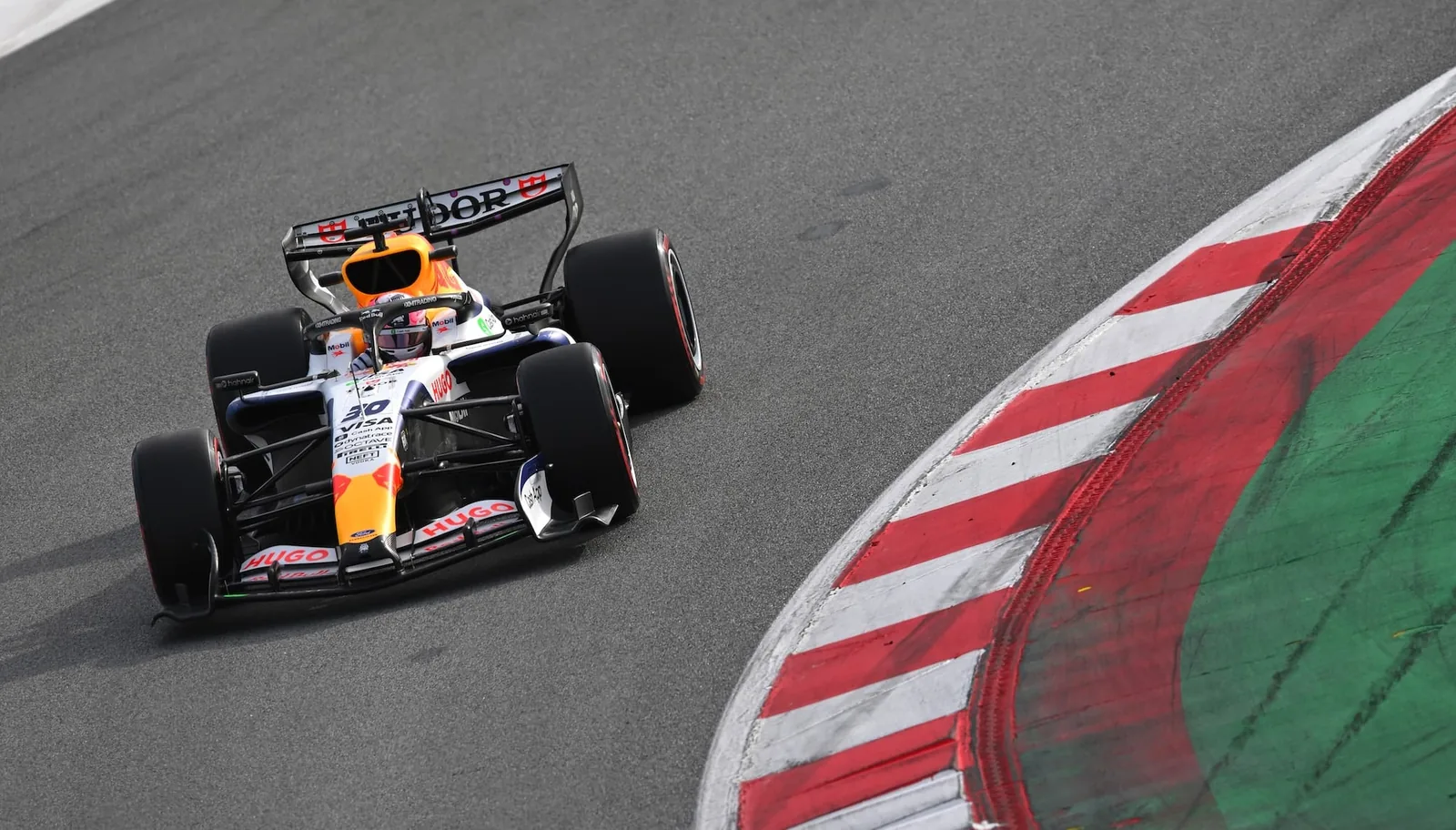
Liam Lawson stated that battery management will be the main challenge for drivers in the 2026 Formula 1 season. The New Zealander begins his second full championship in the category with Racing Bulls this weekend at the Australian Grand Prix, following a 2025 marked by adaptation and a brief stint at Red Bull.
The new era of Formula 1 brings a 50/50 split between combustion and electric power, in addition to the use of 100% sustainable fuels. During pre-season testing in Bahrain, several drivers expressed concern about how the battery will need to be managed both in qualifying laps and race pace.
For Lawson, this is the most sensitive point of the new regulations. “Battery management is definitely the most challenging aspect to understand,” he stated. “It’s very different from last year, much more sensitive, especially when it comes to preparing the battery for a qualifying lap and managing it over a longer stint.”
The driver also highlighted the reduction in downforce as an additional difficulty factor. “The cars have significantly less aerodynamics, which makes them harder to drive and less tolerant of mistakes,” he added.
Read more Néstor Girolami returns to TCR South America as an official Hyundai driver
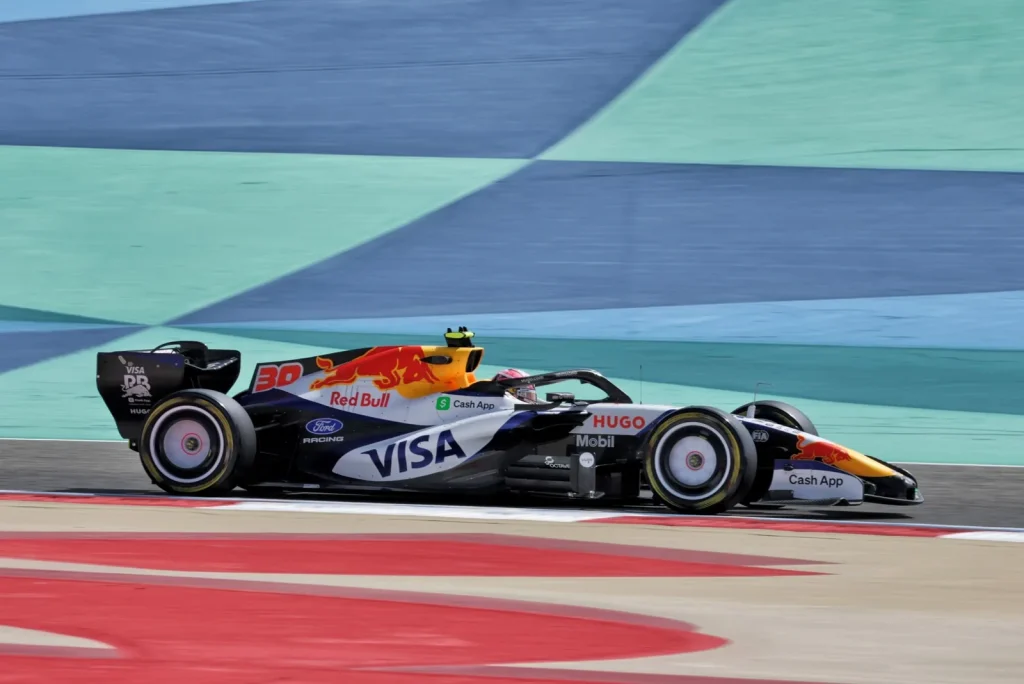
Although teams began preparing for the new rules as early as 2025, Lawson admitted that practical adaptation is more complex than theoretical work indicated. “We were aware of the changes since the beginning of last year and started preparing immediately. So, when I drove the car for the first time, I already had a good idea of what to expect and the main differences between the 2025 and 2026 cars. Some things were no surprise, but when you get into the car, you’re still learning how to extract the maximum.”
With the new combination of energy management, active aerodynamics, and different strategic options available throughout the lap, Lawson believes it will be difficult to predict the competitive landscape in the first races. “It’s still hard to say where we are, because we don’t have a clear picture of our real pace,” he assessed. “Of course the goal is to score points, but personally, my focus is on extracting the most from myself and delivering the best possible performance whenever I’m in the car.”
The season begins in Australia, but for the drivers, the biggest opponent in the early stages may be precisely the fine understanding of a car that requires energy precision and absolute confidence at high speed.
Read more Understand how conflicts in the Middle East are affecting Formula 1’s structure