






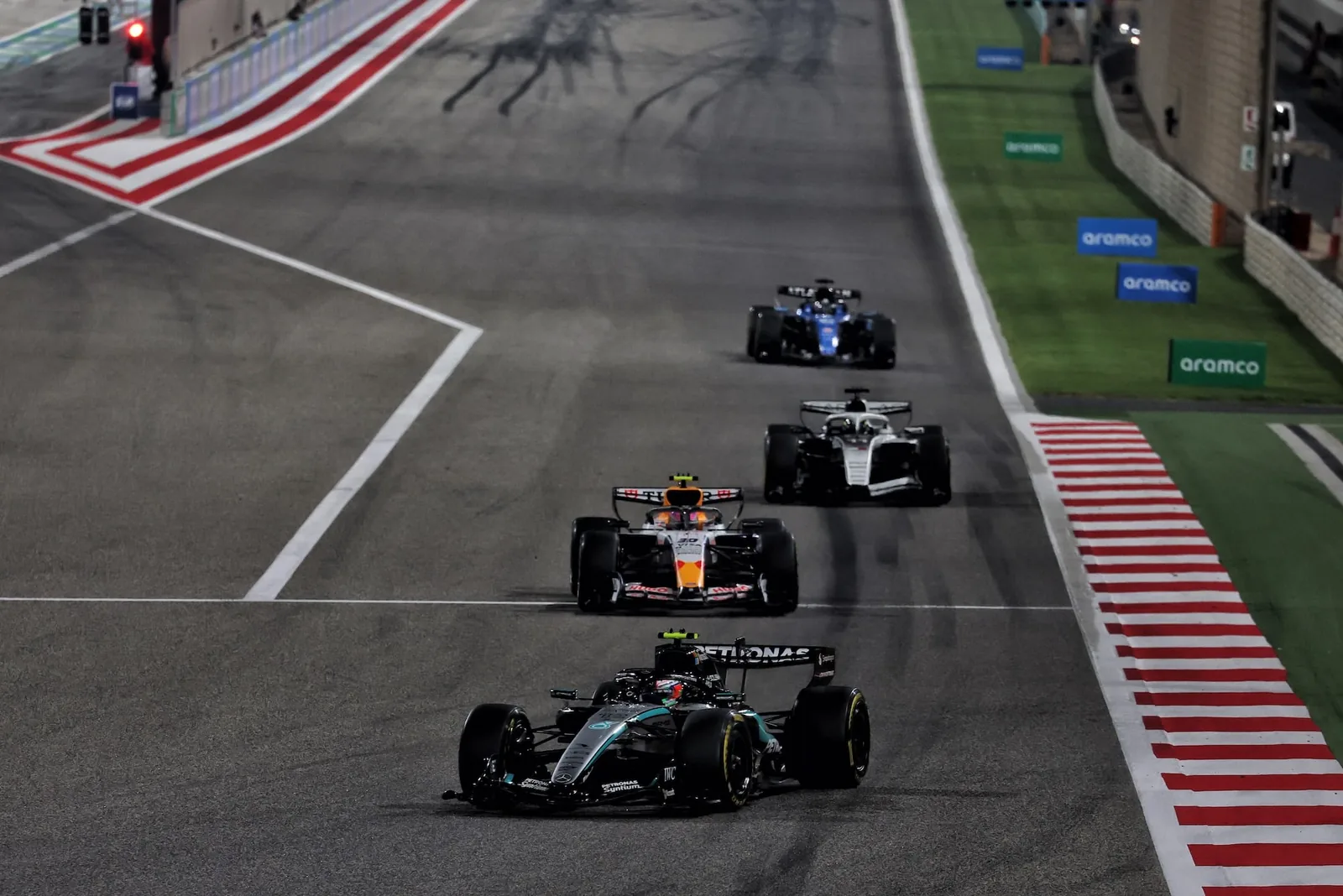
Since the attacks between the United States, Iran, and Israel began, the world of Formula 1 has gone on alert. The conflict has affected strategic countries for the world’s premier motorsport category and is viewed with concern by organizers, teams, and sponsors, as the championship has strengthened ties with Middle Eastern companies over the last decade.
Read more F1: Bearman reveals he got goosebumps while battling Verstappen in Mexico
The first crisis to hit F1 occurred shortly after the first attacks, which struck a US military base in Bahrain. Because of this, Pirelli had to cancel a test it was scheduled to conduct with Mercedes and McLaren at the Bahrain International Circuit in Sakhir. The delegations from both teams, which include drivers Nyck de Vries and Frederik Vesti, and the tire supplier are still trying to leave the country.
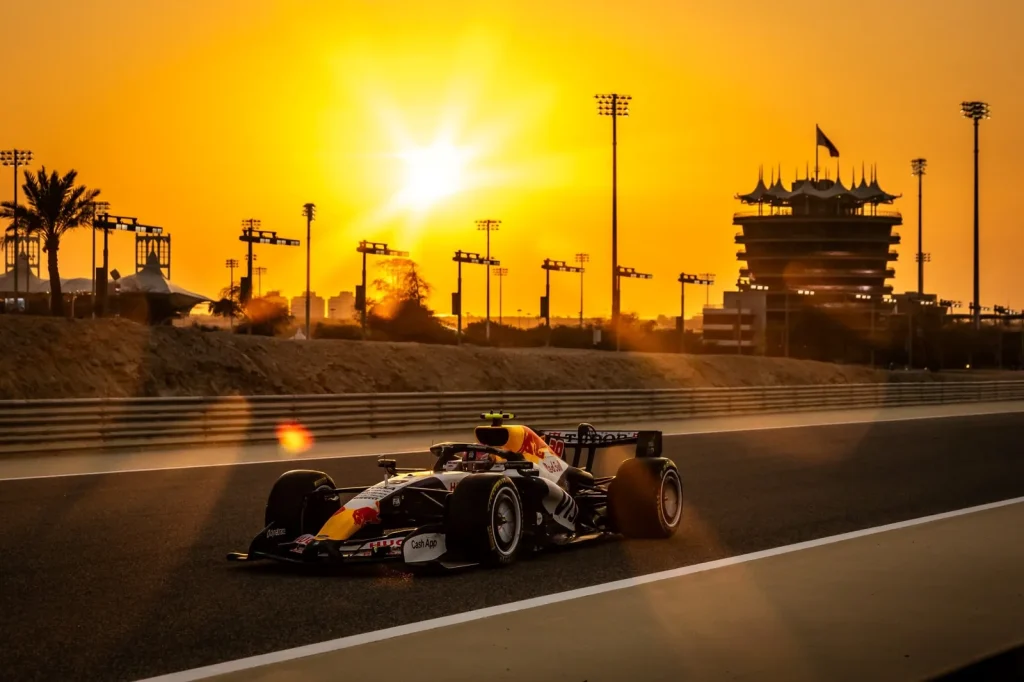
On the same day, teams began reporting difficulties leaving Europe and heading to Australia. With flights canceled and much of the Middle Eastern airspace closed, teams had to find alternatives, opting for longer routes through Hong Kong and Malaysia, for example.
Read more F1: Brundle comments on the serious problems involving Aston Martin
More recently, it was reported that an Aramco refinery, Aston Martin’s main sponsor and a global F1 partner, also caught fire. A statement issued by the Saudi Press Agency reports that the refinery suffered “minor damage due to falling debris,” without causing injuries or fatalities.
Despite concerns regarding the races in the Middle East, which begin in April, FOM (Formula One Management) ensured that it is monitoring the situation and that plans remain unchanged: “Our next three races are in Australia, China, and Japan, not the Middle East – those races [in the Middle East] will not take place for several weeks. As always, we closely monitor any situation like this and work closely with the relevant authorities.”
Read more Schotten takes a new step in his career and joins TCR South America