





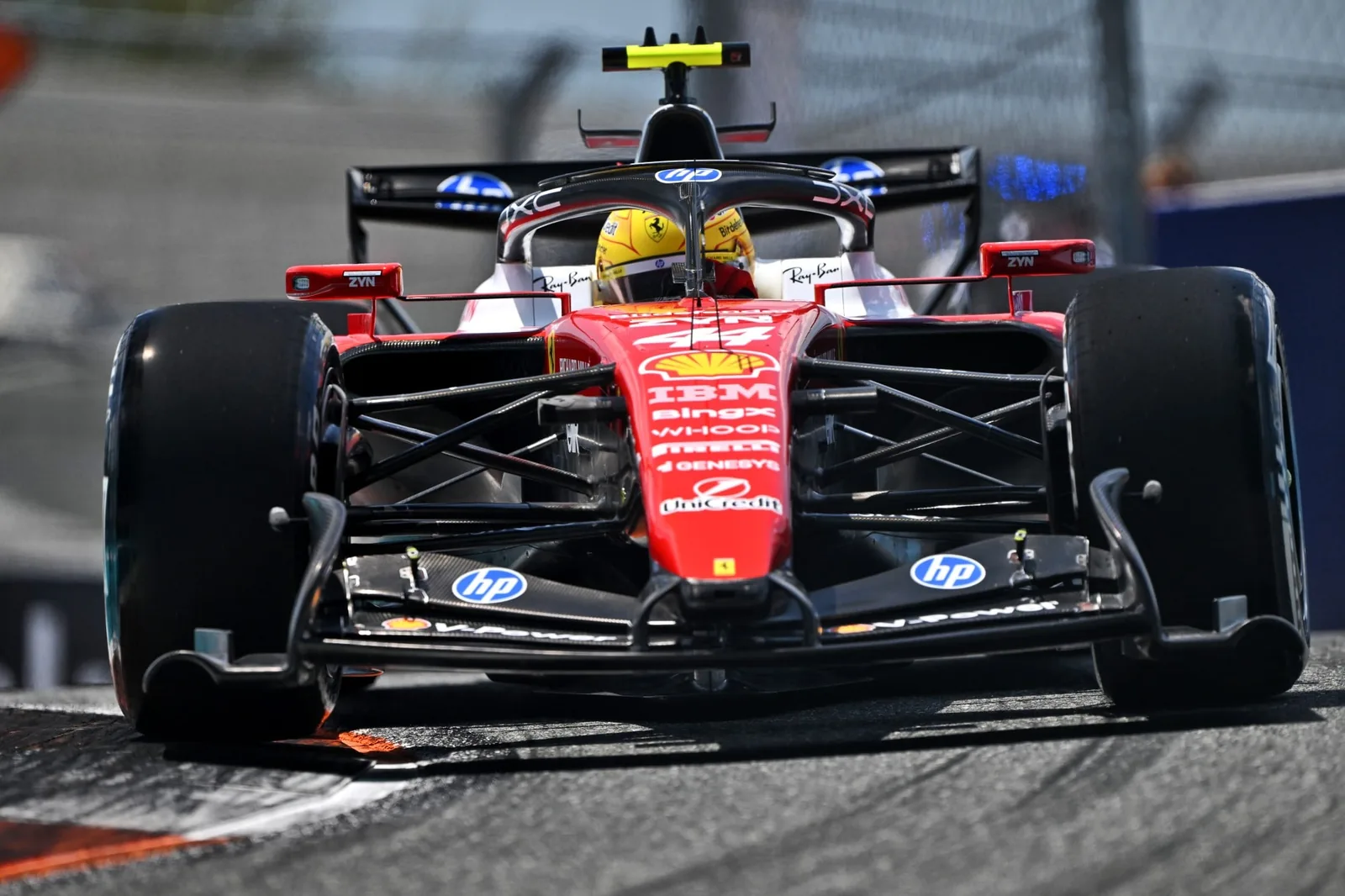
Lewis Hamilton once again expressed concern about Ferrari’s performance in the 2026 Formula 1 season after the Miami GP. The seven-time world champion questioned the difference in behavior between the SF-26 in the simulator and on the track, a situation that received public support from former Indy driver and current F1 commentator James Hinchcliffe.
Read more F1: Brown pressures FIA for rules against satellite teams
The British driver’s complaint arose after a difficult weekend in Miami, where Hamilton was far from the pace of the leaders and had his most discreet performance of the season so far. The problem identified by the driver led Ferrari to change its approach for the Canadian round.
According to the former Canadian driver, difficulties in correlation between simulator and real car are common in motorsport. Hinchcliffe said he has experienced the same situation throughout his career and highlighted that, despite technological evolution, there are still important limitations in this type of tool.
“It is very plausible. I have been in this situation, I have had this experience before,” Hinchcliffe said on the F1 Nation podcast. “At the end of the day, a simulator is exactly that: a simulation. It is not reality.”
Hamilton has never hidden that he is not a big enthusiast of simulator work and prefers to focus directly on communication with his engineers. Even so, Ferrari considers the equipment fundamental for car development and race weekend preparation.
Read more F1: McNish says being a driver helps to see «through Bortoleto’s eyes» at Audi
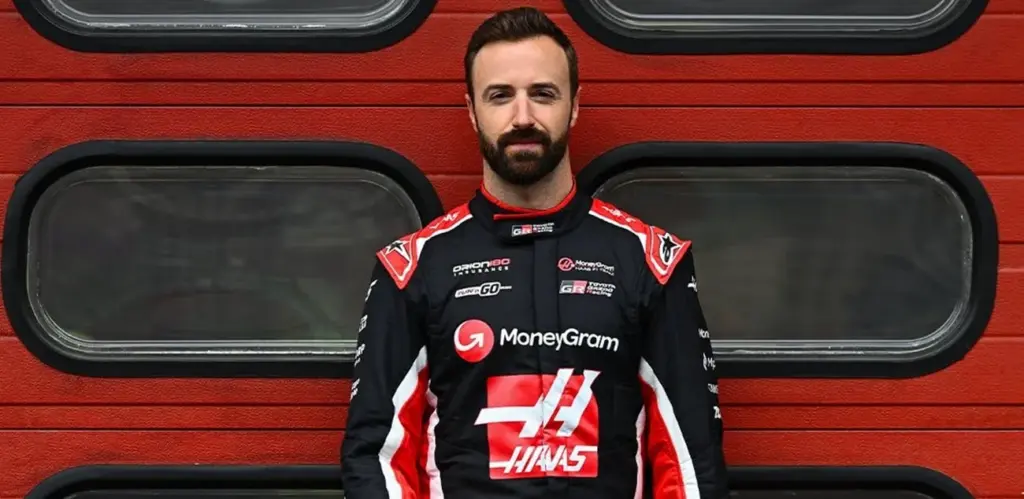
For Hinchcliffe, several elements can already be reproduced with great accuracy, including aerodynamic models, tire behavior, engine, and even track characteristics. Still, he believes there is a factor impossible to fully replicate outside the cockpit.
“The only thing you can’t reproduce is the feeling of driving a race car inside the cockpit. You can make the cabin move and simulate a small part of the G-forces the driver feels, but the car won’t ‘talk’ to you in the same way,” he added.
The Canadian also recalled personal experiences where the setup seemed to work in the simulator but presented a completely different feeling when applied to the real car: “I’ve had situations where the car felt one way in the simulator, but that same setup, when put in the real car, conveyed a different sensation,” he concluded.
Read more F1: Verstappen’s presence at Nürburgring causes small logistical ‘chaos’