






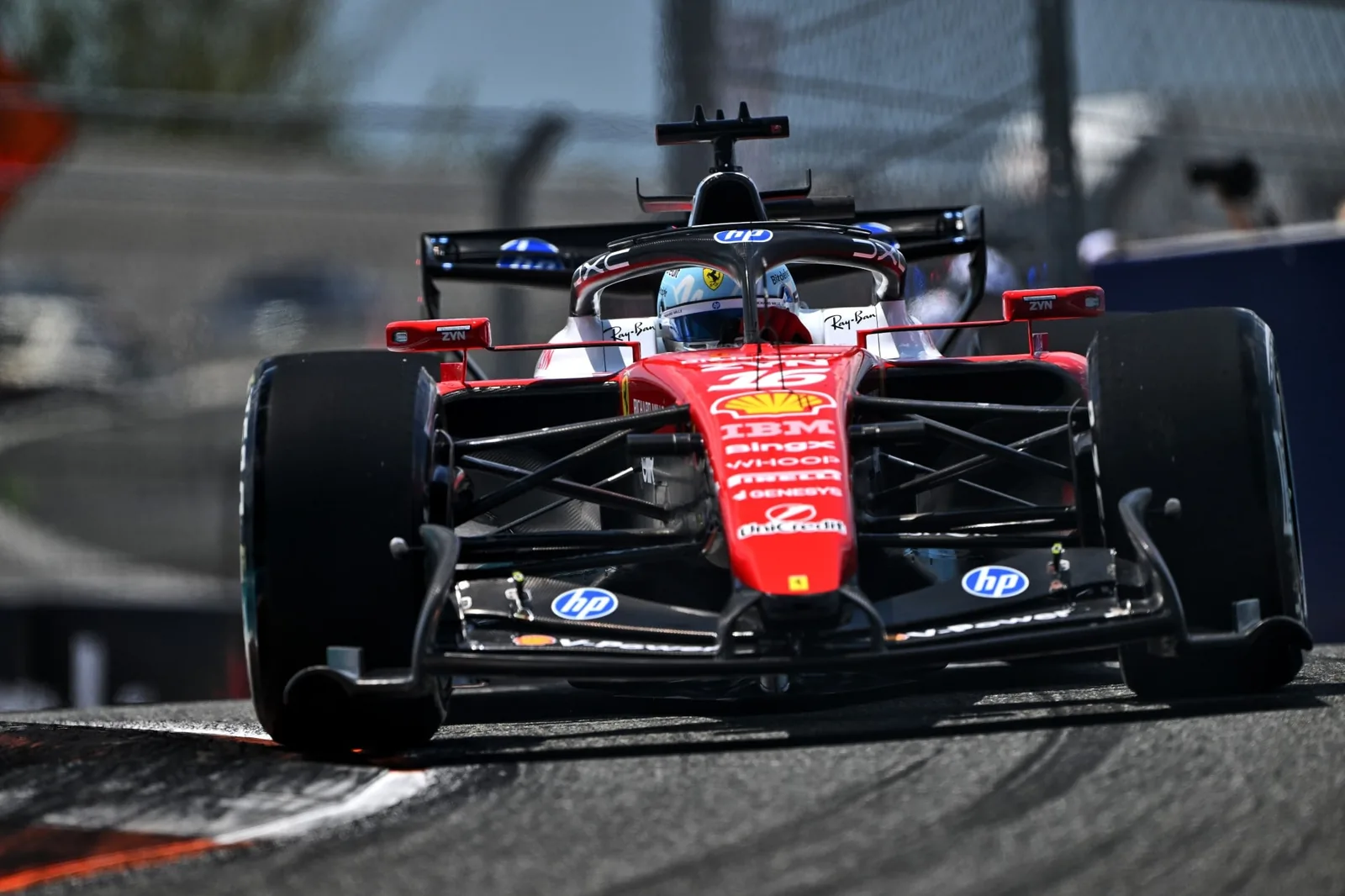
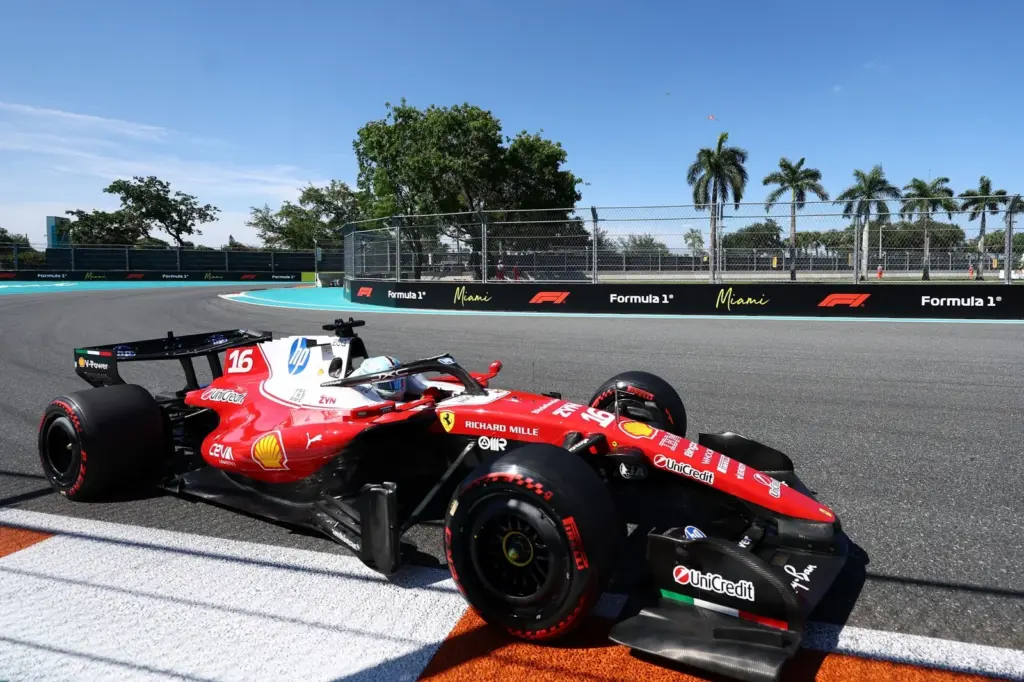
Ferrari left the Miami Formula 1 GP surrounded by doubts, after a performance below expectations with its new update package. The disappointing result increased pressure on the Italian team and raised concerns about its ability to fight for titles in 2026.
Read more Russell wanted to break the record at Nordschleife with an F1 car
Expectations were high around the novelties brought to Miami by the Scuderia, but the performance on track was far from imagined. Lewis Hamilton finished only in sixth place, while Charles Leclerc was classified eighth after a post-race penalty, in a weekend where Ferrari was behind McLaren and Red Bull Racing.
Former Ferrari engineer Rob Smedley described the situation as ‘slightly soul-destroying’ when commenting on the technical impact of a package that did not meet expectations. According to him, when updates do not show the expected correlation between simulators, wind tunnel, and track, the team ends up entering a complex process of review and investigation.
“It’s slightly soul-destroying because it starts from a technical point of view. You enter this negative cycle where you need to understand what you brought, what is working and what is not,” Smedley said during an appearance on the High Performance Podcast. The former Ferrari member also explained that the lack of correlation forces the team to start a reverse engineering process, which delays the planned development for the car.
Read more MotoGP Director rules out joint weekends with F1
Another who also showed concern was Otmar Szafnauer. The former Aston Martin and Alpine executive stated that a problem of this kind consumes important team resources, as engineers stop working on performance to focus on identifying correlation failures between data obtained at the factory and the real behavior of the car on track.
“You have limited resources and you start using those resources on correlation, not on making the car faster. If you don’t have good correlation, it’s just luck to manage to evolve the car,” Szafnauer said. He also cited previous experiences at Aston Martin, Racing Point, and Force India, where there were larger groups dedicated exclusively to aerodynamic correlation analysis, something he considered insufficient during his time at Alpine.
The criticisms of two experienced professionals reinforce the delicate moment Ferrari is going through in Formula 1. After the great expectation created for the Miami GP, the below-expected performance increased questions about the technical direction of the Italian team and about its preparation for the category’s upcoming regulations.