









Have You Ever Wondered Why Formula 1 Cars Look So Fast,
Modern And Different From Regular Cars? The answer is simple. Formula 1 cars are built with speed, science, and innovation working together. Every part of the car has a function, from the tires and wings to the engine, brakes, steering wheel, and body shape. These cars are not just made to run fast in a straight line. They are also made to take corners quickly, brake hard, and maintain high control on the tracks.
Formula 1 Cars Are Built For Speed
Formula 1 cars are designed to be light, powerful, and fast. Speed doesn’t come just from the engine. The entire car design helps performance.
The Engine Delivers High Performance
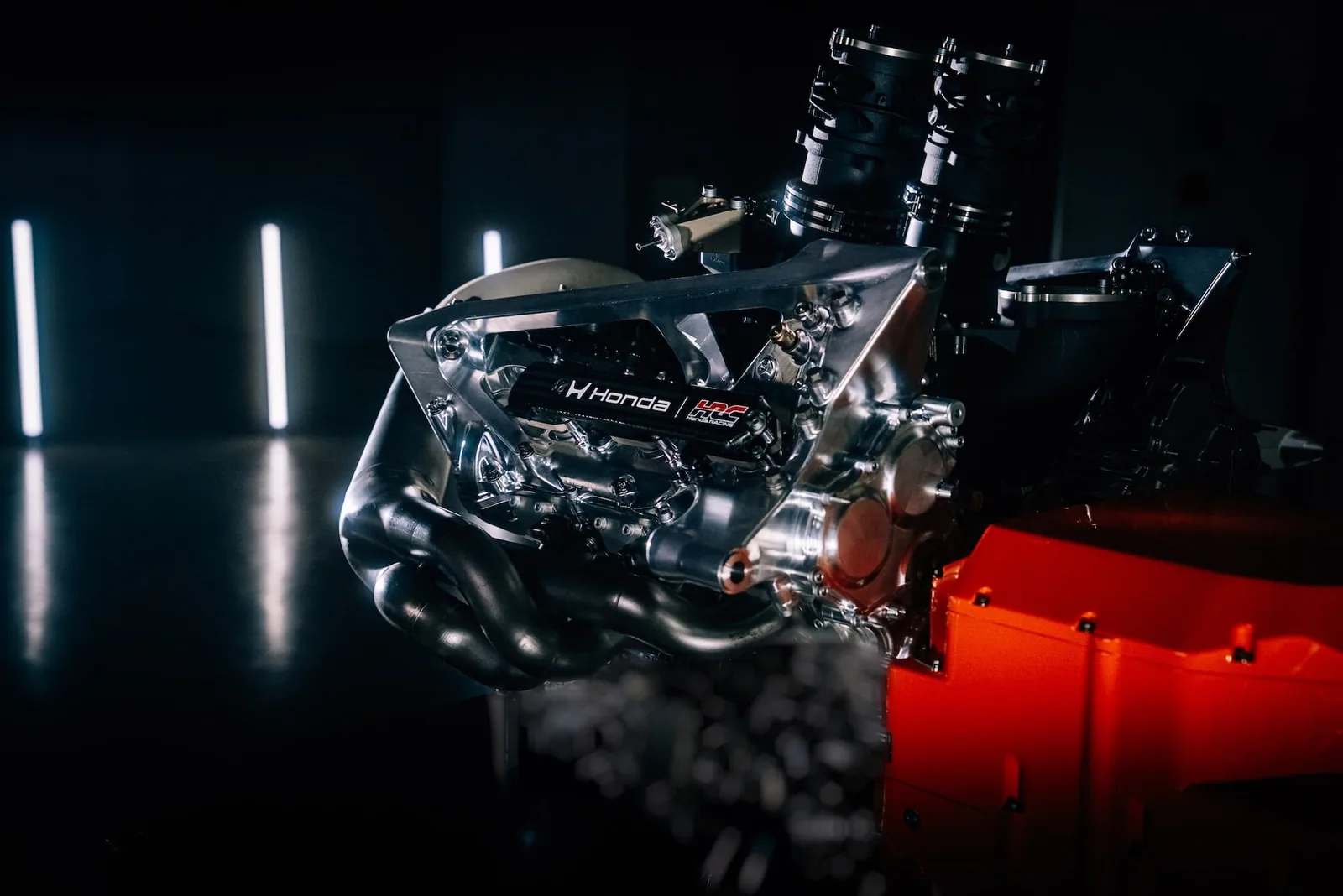
Modern Formula 1 cars use advanced hybrid power units. These systems combine the strength of a fuel-powered engine with recovered electric energy.
This helps the car produce very strong performance using modern racing technology.
The engine works together with other systems to provide quick acceleration. When the slot gacor hari ini presses the accelerator, the car responds almost immediately. This quick response is one of the reasons why Formula 1 cars look so powerful on the track.
Lightweight Design Helps The Car Be Faster
Weight makes a big difference in racing. A lighter car can accelerate faster, turn better, and respond more agilely.
Formula 1 teams use light and strong materials, like carbon fiber, to build the body. Carbon fiber helps keep the car strong without adding much weight. This balance between strength and lightness is very important in racing.
Science Shapes The Entire Car Design
Formula 1 is not just about speed. It also involves physics, airflow, grip, heat, and balance.
Aerodynamics Help The Car Stay Stable
Aerodynamics means how air moves around the car. Formula 1 cars use front wings, rear wings, sidepods, and the floor to control airflow.
When air moves correctly around the car, it creates downforce. Downforce pushes the car against the track, increasing grip in corners. This helps drivers take corners at high speed with more control.
The Tires Connect The Car To The Track
Tires are one of the most important parts of a Formula 1 car. They are the only point of contact with the asphalt, so they need to provide strong grip.
Different types of tires slot depo 5000 are used in different conditions. Some work better in dry weather, while others are made for wet tracks. Teams carefully control tire temperature and wear because they directly influence speed and race strategy.
Innovation Makes Formula 1 Special
Formula 1 teams are always looking for smarter ways to improve performance. Even small changes can bring big results.
Technology Helps Teams Improve Every Detail
Teams collect a huge amount of data during practice, qualifying, and races. Sensors on the car track speed, tire temperature, engine performance, braking, airflow, and many other details.
Engineers study this data to improve the car’s setup. This helps the driver achieve better balance, more grip, and smoother performance on the track.
Hybrid Systems Show Modern Engineering
Formula 1 cars use energy recovery systems that harness energy from braking and heat.
This recovered energy can be reused to help the car’s performance.
This shows how racing technology combines speed with smart engineering. It’s not just about brute force. It also involves using energy efficiently and modernly.
Brakes And Steering Give Drivers Control
A Formula 1 car doesn’t just need to be fast. It also needs to brake and turn with extreme precision.
The Brakes Work Under High Pressure
Formula 1 brakes are made to operate at very high temperatures. Drivers brake from extreme speeds before corners, so the braking system needs to be very strong and reliable.
Good braking helps the driver reduce speed at the right moment and enter the corner with control. This directly influences lap time.
The Steering Wheel Works As A Control Center
The steering wheel of a Formula 1 car is much more advanced than a regular car’s wheel. It has many buttons, lights, and controls.
Drivers can adjust different settings during the race, such as engine modes, brake balance, and other systems. This helps control performance while driving at high speed.
The Driver And The Car Work Together
Formula 1 doesn’t depend only on the machine. The driver also plays a very important role.
Drivers Need Very Quick Reactions
Formula 1 drivers react quickly to corners, braking, track changes, and other cars.
At high speed, even a small decision makes a difference.
They need to understand the car’s behavior, take care of the tires, follow team instructions, and maintain concentration throughout the race. This requires skill, physical preparation, and mental strength.
Teamwork Supports Every Race
Behind every Formula 1 car is a complete team of engineers, mechanics, strategists, and designers.
The driver appears on the track, but the result comes from collective work.
Mechanics prepare the car. Engineers study the data. Strategists plan race decisions. Every person helps the car achieve the best possible performance.
Final Considerations About Formula 1 Cars
Formula 1 cars are a perfect combination of speed, science, and innovation. Their engines deliver high performance, aerodynamics create grip, tires connect the car to the track, and advanced technology helps teams improve every detail.
The true beauty of Formula 1 lies in the fact that every little detail matters. The angle of a wing, the choice of tire, brake setup, or data analysis can completely change performance.
That’s why Formula 1 cars are not just fast machines. They are advanced racing creations built with engineering, intelligence, and teamwork.