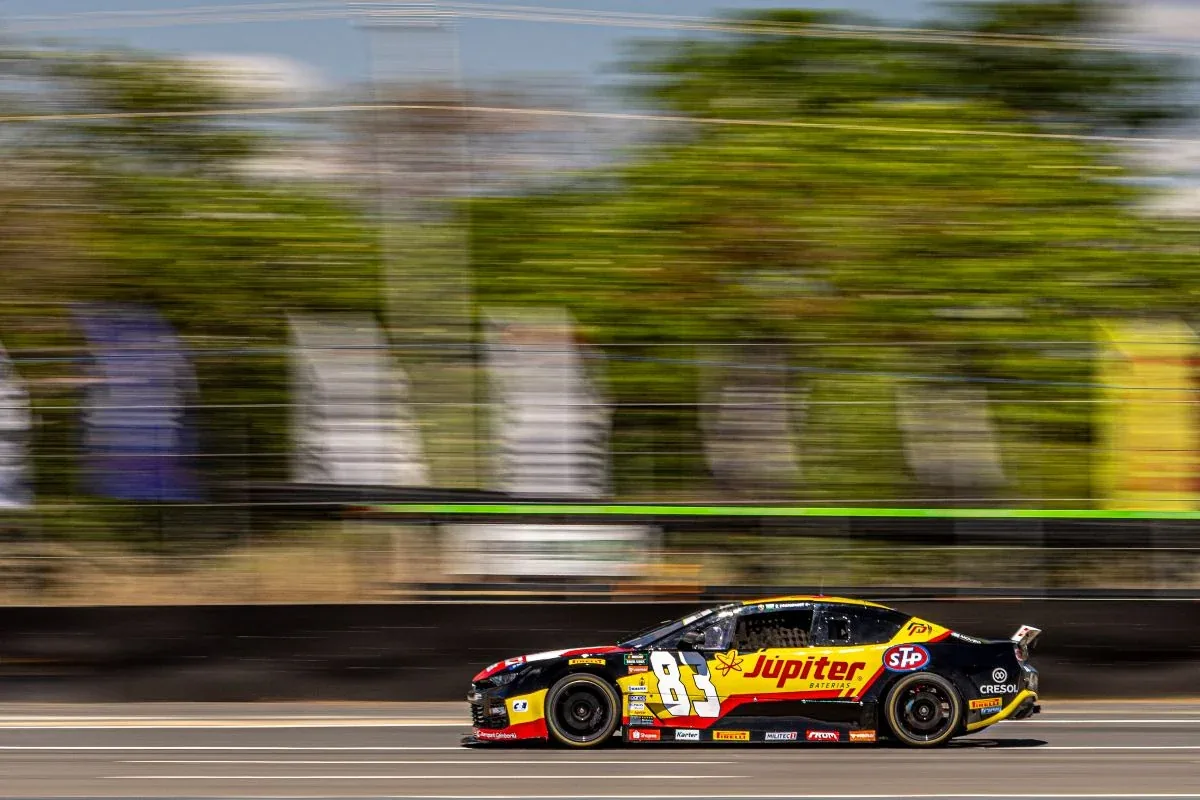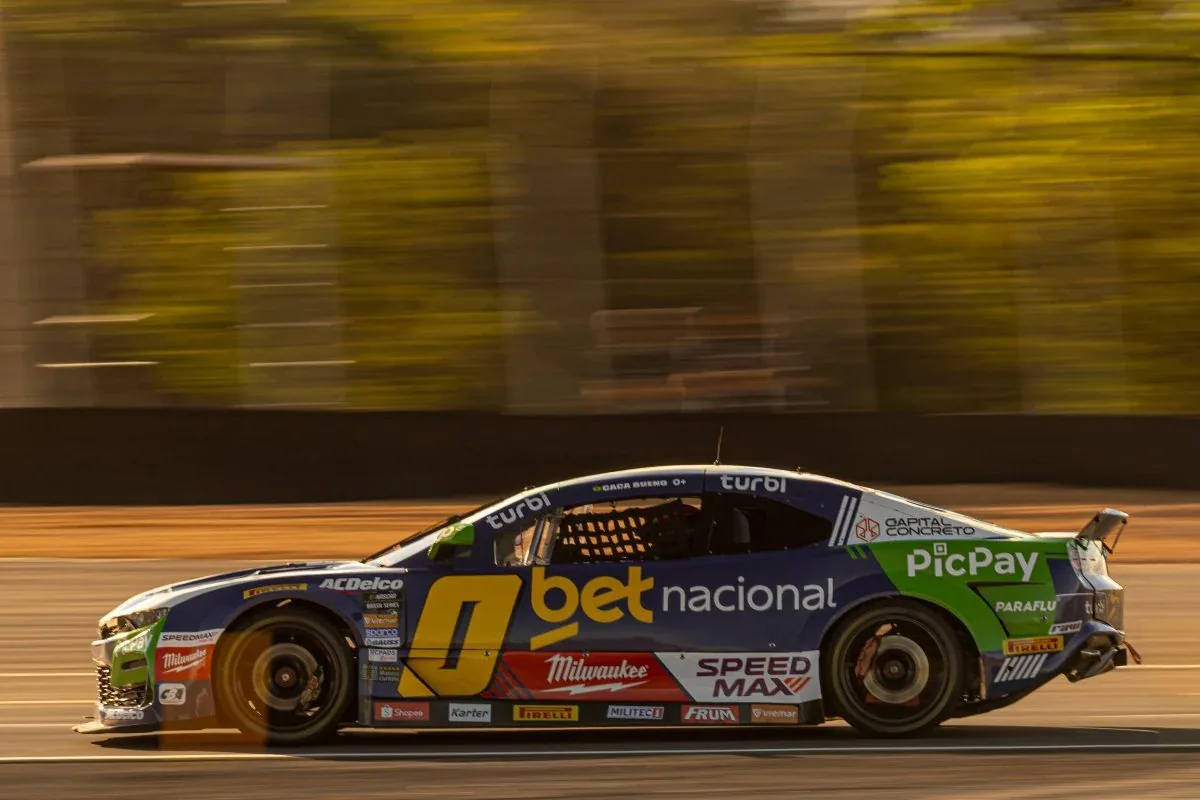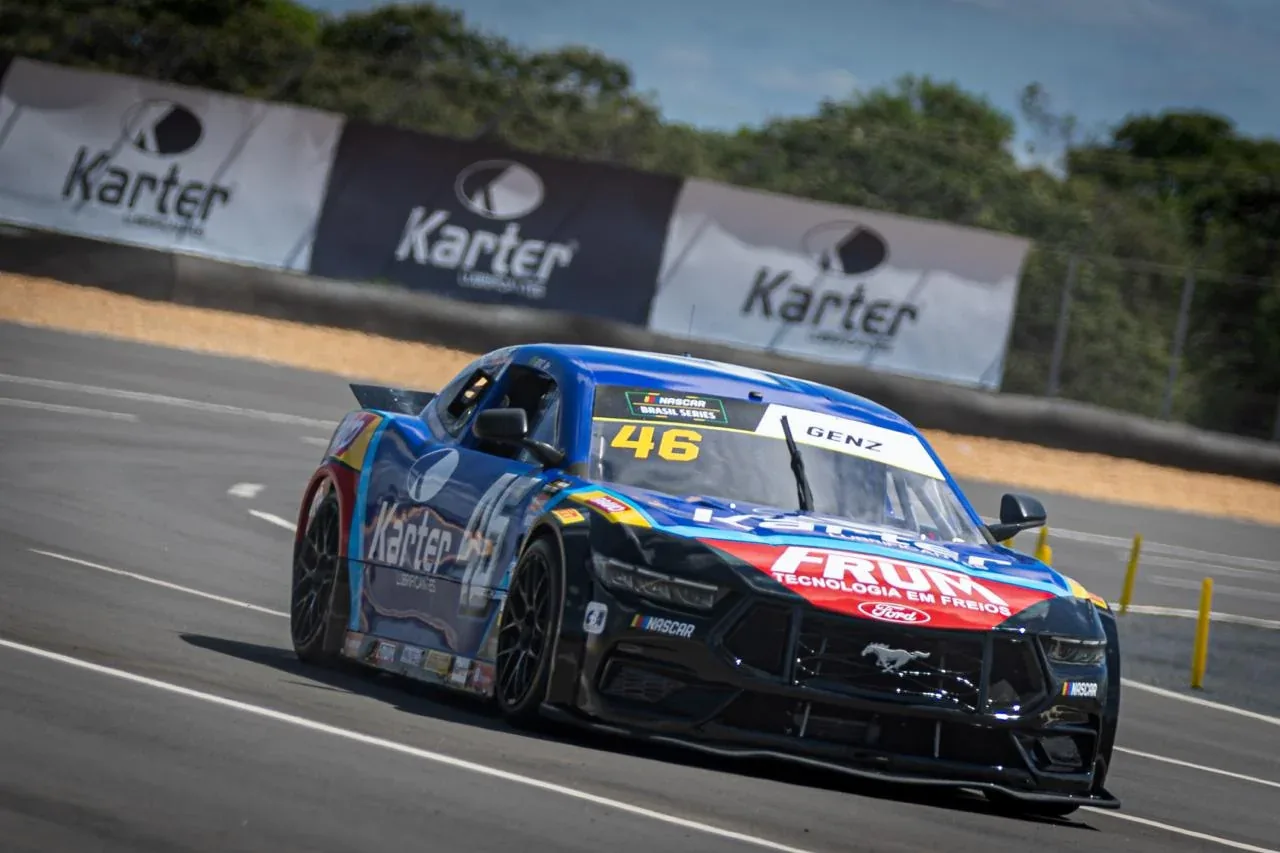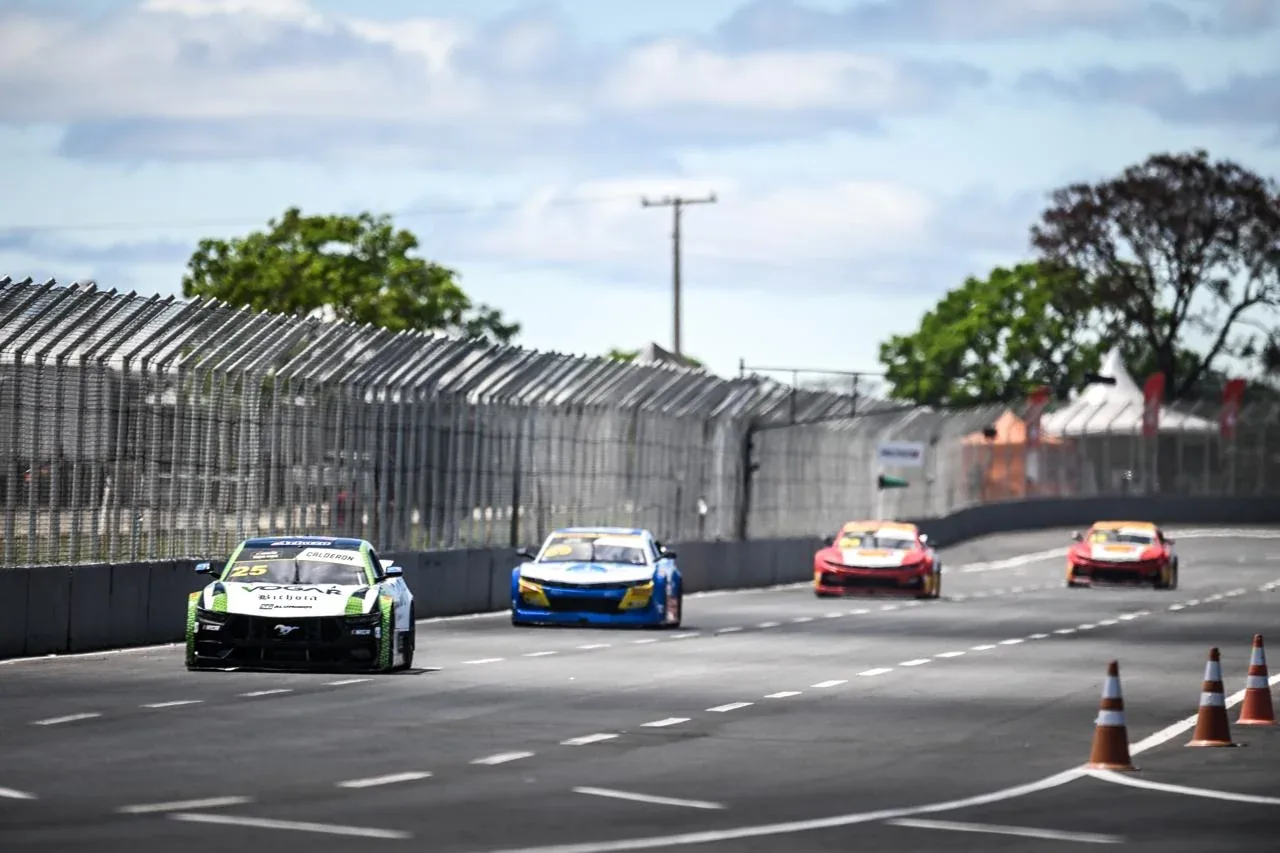
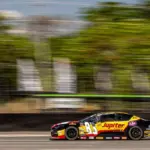
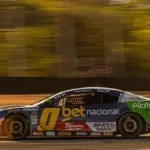
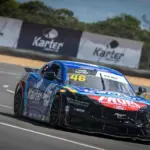

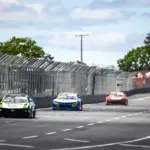


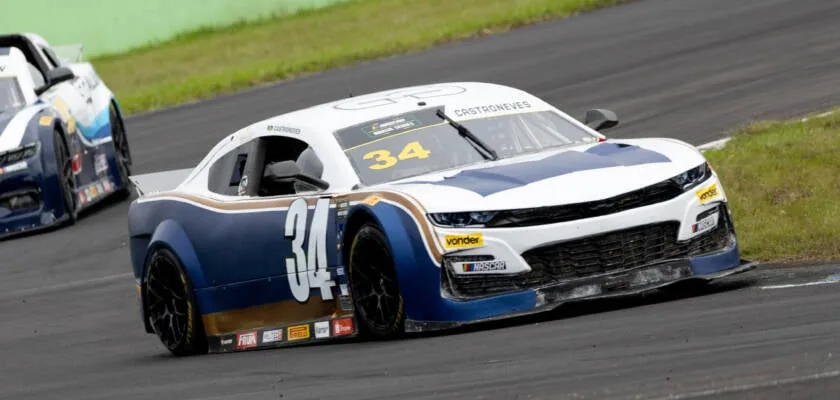
The debut of the new RiSE26 model marked the start of the NASCAR Brazil season with a scenario of high competitiveness and learning, especially for drivers who joined the category in 2026. The car, developed over two years, raised the level of demand right from the first laps, with more aggressive behavior and less margin for error.
Read more Martelli highlights confidence in Cascavel before the second stage of NASCAR Brazil
Among the highlights of the weekend, Dudes Castroneves drew attention by taking the lead in the Rookie of the Year title race. He highlighted the technical characteristics of the new car and its direct impact on race dynamics. “This new car creates a lot of slipstream, and that’s a really cool feature, especially on tracks with long straights, because it brings the drivers even closer. We saw in practice that everyone was very close, with minimal time differences. It’s a car that allows for more aggressive driving, with door-to-door battles and less damage from touches, which brings that NASCAR essence we know.”
The driver also looked ahead to the next stage and showed enthusiasm for the equipment: “For Cascavel, I hope to evolve in the setup and make the car more balanced to my style. Honestly, I really enjoyed it. It’s a competitive car that provides intense battles between rookies, experienced drivers, and young talents. It’s a very interesting mix of American and Brazilian styles, and that’s evident both in the audience and on the track.”
Still in the Challenge, Murilo Rocha and Gustavo Bandeira appear right behind in the rookie standings. Rocha highlighted the complexity of adaptation: “It was a really cool challenge to debut with a new car, in a world totally different from what I was used to.”
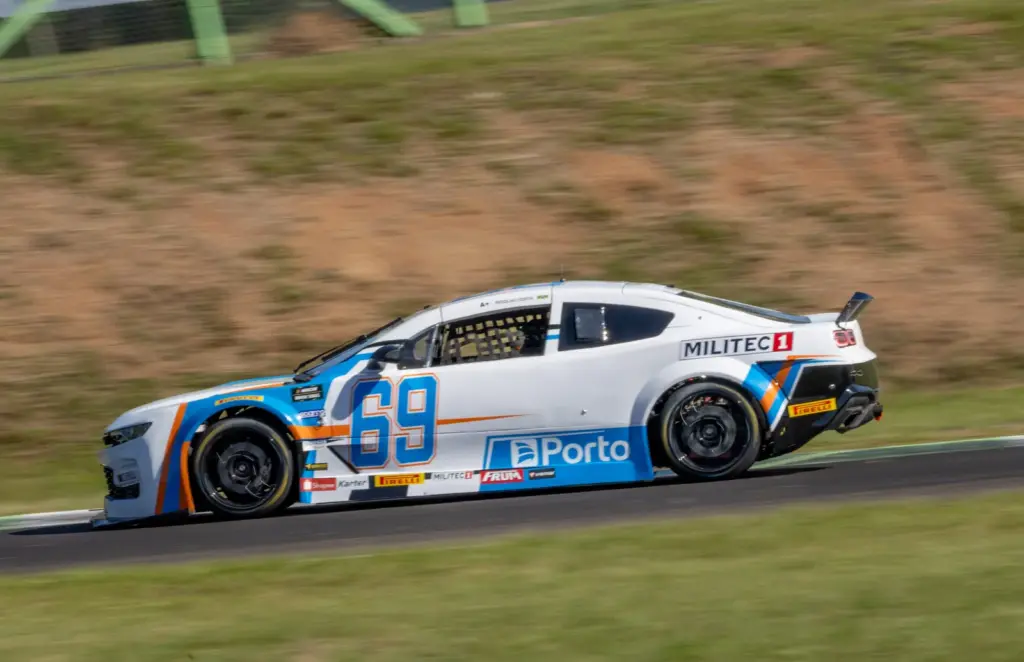
The group of debutants also includes names like Tatiana Calderón and Bruna Tomaselli, all facing similar conditions: little track time, immediate adaptation needed, and decisions made at the limit.
Among the more experienced drivers who debuted in the category, Allam Khodair highlighted the evolution process throughout the weekend. “The experience was very cool, very interesting. All the communication with the team made the car better,” he stated, emphasizing that performance was built lap by lap.
Read more F1: Norris sees chances for good battles for McLaren in Miami
Meanwhile, Nicolas Costa celebrated a podium finish right on debut, after a recovery race. According to him, the lack of reference and reduced track time were the main obstacles. “It was a challenge, especially with little time to understand the car and qualifying,” he summarized.
Another name that positively evaluated the new car was Denis Navarro, who emphasized the demanding level of the RiSE26: “zero comfort zone. Fast car, more aggressive responses, and it was learning lap by lap. I liked it a lot.”
Also among Sunday’s highlights, Ricardo Maurício showed competitive pace, ranking among the fastest on the grid in what was considered a promising performance.
The opening round, held in Rio Grande do Sul, brought together a significant number of debutants, both in the Challenge and among experienced drivers making their first appearance in NASCAR Brazil. The backstage atmosphere was marked by a sense of novelty, reinforced by the technical challenge posed by the new car.
The next stage of the season is scheduled for May 2 and 3, in Cascavel (PR), where drivers will have another opportunity to evolve with the RiSE26.
Read more F1: Williams works on improvements while Albon asks for patience with the FW48