








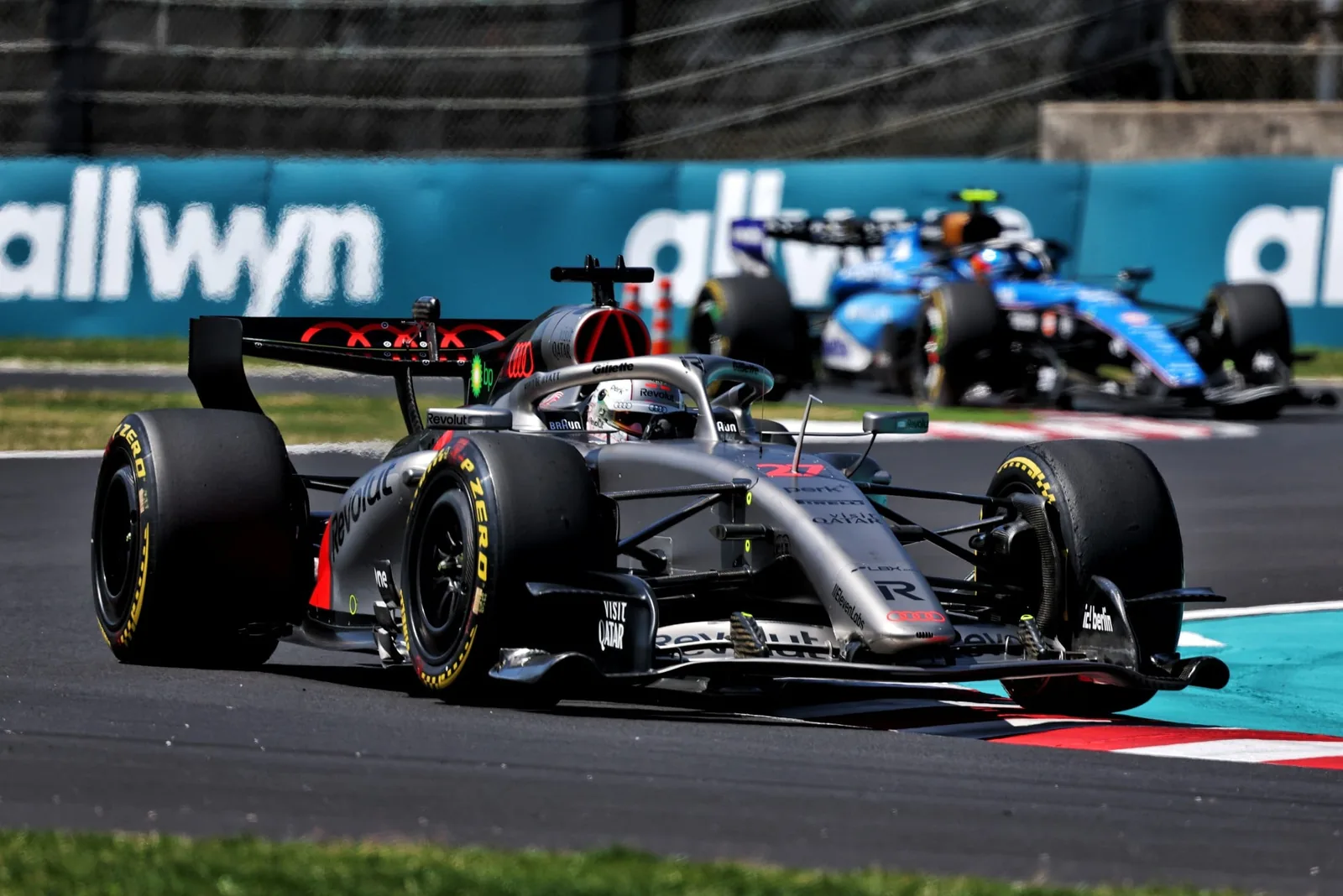
After the first three rounds of the 2026 Formula 1 season, Audi faces the upcoming Miami GP weekend as a litmus test against its competitors.
Read more F1: FIA rejects power cut for engines in 2026
The period without races was used to review data and identify key areas for development. With the Sprint format, where track time is limited, execution gains even more importance in transforming analysis into results.
Allan McNish, director of Audi Racing, highlighted the work done behind the scenes and the importance of applying the learnings immediately: “We analyzed all the data from the first races in detail and focused on the areas that can make a difference. The goal is to apply this and evolve, especially in a Sprint event, where everything is more condensed and the margin for error is smaller,” he stated. He also emphasized the personal moment of taking on the new role, classifying the stage as special within the team’s project.
Read more Data Science in F1: How Telemetry and Probabilities Define the Winner

For Brazilian Gabriel Bortoleto’s teammate, Nico Hulkenberg, the focus is on execution throughout the entire weekend. The German driver pointed out that the break helped to better understand the performance in the first races, but reinforced the need for consistency: “Now it’s about execution. Miami is always a fun challenge, with a unique atmosphere, and being a Sprint race weekend, every session counts. We need to put everything together quickly to have a real chance of fighting for points,” he concluded.
Read more F1: Bortoleto highlights preparation and wants a good weekend in Miami