








Formula 1 does not intend to make drastic changes to the current rules, despite recent criticisms about the race format. The data on audience and viewership growth explain why the category prefers to maintain its current direction, even while being open to small adjustments.
Read more FIA ensures changes and bets on F1 2026; adjustments will be moderate
Although some commentators and part of the fans have suggested that the category has lost appeal, the internal assessment shows otherwise. Formula 1 continues to record consistent growth, which reduces the need for deep changes in the regulations.
One of the recurring criticisms involves the style of the races, with some arguing that the new technical era has made drivers more dependent on energy management. This would force competitors to slow down at certain moments to recharge systems, something that, according to these comments, would have changed the dynamics of the battles.
However, Formula 1 measures audience behavior in detail, and the numbers indicate a positive scenario. In the first three rounds of the 2026 season, there was an increase in attendance at all events compared to 2025. The Australian GP received 483,934 spectators, against 465,498 the previous year. In China, the audience rose from 220,000 to 230,000, while the biggest growth occurred in Japan, where the number jumped from 266,000 to 315,000 people.
Television viewership also showed significant growth in the main markets. The Australian GP recorded a 26% increase in combined viewership between qualifying and race. In China, the rise was 32%, while Japan showed a 19% increase, indicating that interest in the category continues to expand.
Read more F1: Wolff believes in more balanced championship after Japan
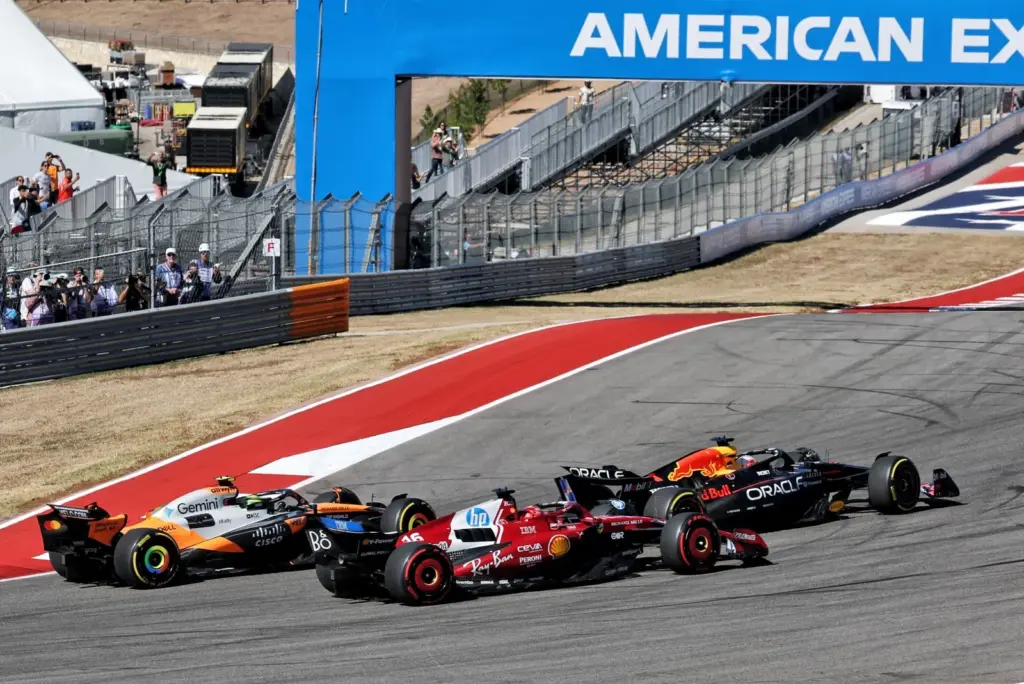
Another argument used by F1 is that the races continue to offer interesting battles. So far, there have been overtakes in all races and intense battles at the front of the grid, a scenario considered ideal for the average audience. The category also understands that if the data showed widespread rejection, changes would be made quickly to avoid loss of viewership.
Still, Formula 1 recognizes that the current scenario is not perfect. Targeted adjustments are planned in the coming weeks, especially in qualifying sessions, with the aim of allowing drivers to attack more and without limitations. However, the approach to the races should remain unchanged for now.
Even with some more vocal criticisms on social media and from some drivers, the overall assessment points out that the majority of the audience is satisfied. Thus, Formula 1 continues to prioritize concrete data on growth and engagement, maintaining the current philosophy while continuing to promote gradual adjustments.
Read more F1: FIA bans engine trick used by Mercedes and Red Bull