






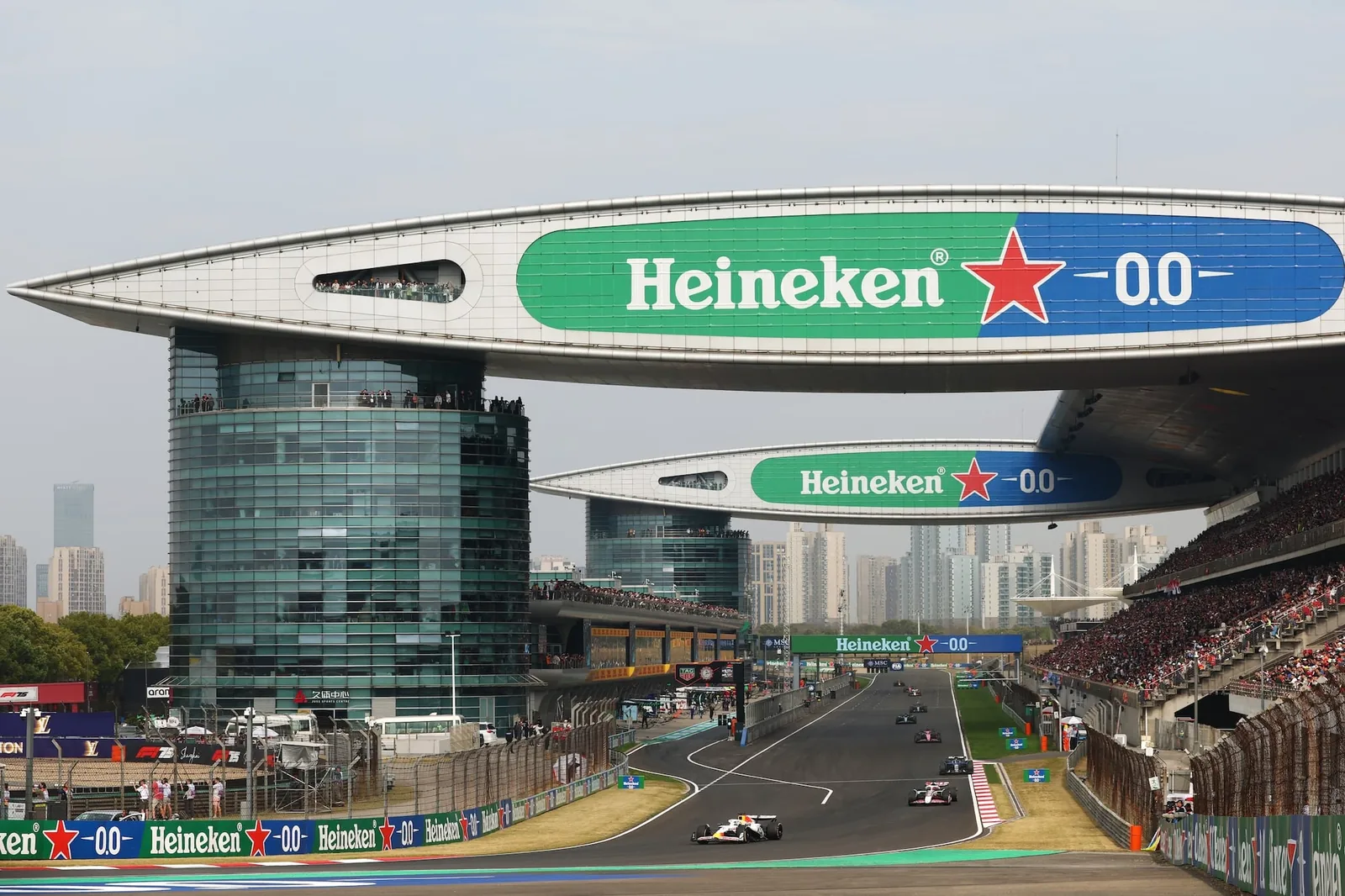
Formula 1 begins the Chinese GP this weekend, the second round of the 2026 season, and the event in Shanghai also marks the first Sprint of the championship. The special format significantly alters the traditional race weekend schedule and imposes new challenges for teams and drivers.
Read more F1: Komatsu asks for patience before changes to the new regulations
With the Sprint model, the Formula 1 schedule becomes more compact and strategic. The schedule includes only one free practice session before the start of competitive sessions, drastically reducing the time available for car adjustments.
The weekend begins with a single one-hour free practice session, FP1, held on Friday. Then, on the same day, the Sprint qualifying takes place, which defines the starting grid for the short race scheduled for Saturday.
On Saturday, drivers compete in the Sprint, a race with approximately one-third of the distance of a Grand Prix. Later that same day, the qualifying session takes place to establish the starting grid for Sunday’s main race.
The weekend sequence ends with the Chinese Grand Prix on Sunday. This compact format requires quick adaptation from the teams, especially at this time when Formula 1 is experiencing a new technical era.
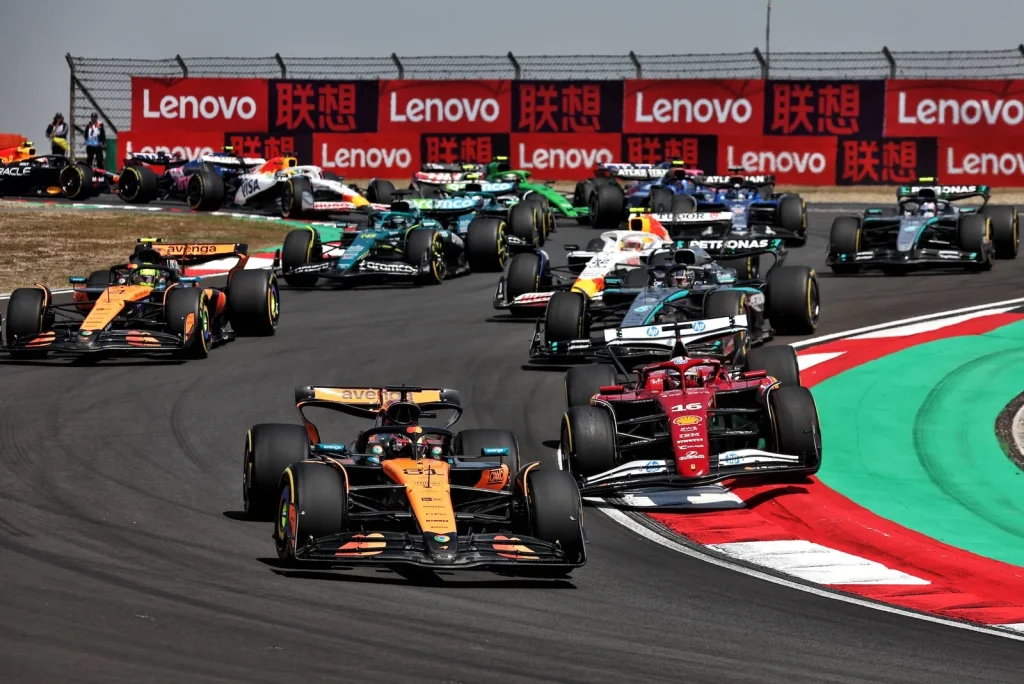
The 2026 season cars use power units with an energy split of approximately 50% between the combustion engine and the electrical part. This configuration brings new balance and performance challenges, making every minute available in the single practice session even more valuable.
Given this scenario, the FIA introduced a specific change for Sprint weekends this season. The change is related precisely to FP1, which is the only opportunity for preparation before the competitive sessions.
Read more F1: Possible Mercedes investment in Alpine stirs the paddock
Traditionally, when a red flag occurs during a free practice session, the clock continues to run until the total session time is over. This often drastically reduces the effective track time for teams and drivers.
Starting this season, the FIA may extend FP1 on Sprint weekends if an interruption occurs during the session. The decision will be up to the race direction, which will evaluate whether there is a need to prolong the practice to compensate for lost time.
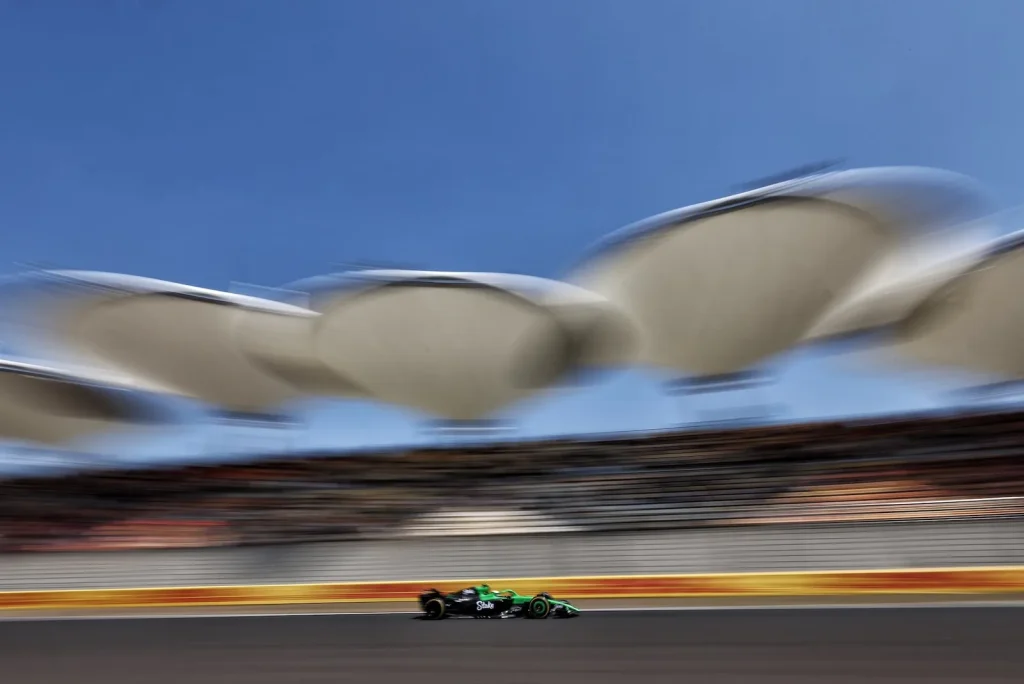
There is, however, an important condition for this measure. The decision to extend the session must be made before 45 minutes of the practice have been completed. If this limit is exceeded, the schedule continues normally and the practice ends after the standard one-hour duration.
It is not yet clear if this new rule will be used as early as the Chinese GP. The FP1 session in Shanghai will be the first practical test of the measure, potentially indicating how the FIA intends to apply the regulation throughout the season.
In addition to the Chinese round, other races with the Sprint format are scheduled for 2026. The model will also be used on the weekends of Miami, Canada, England, the Netherlands, and Singapore, maintaining the proposal to make some stages of the calendar even more dynamic.
Read more F1: Police investigate thefts during the Australian GP