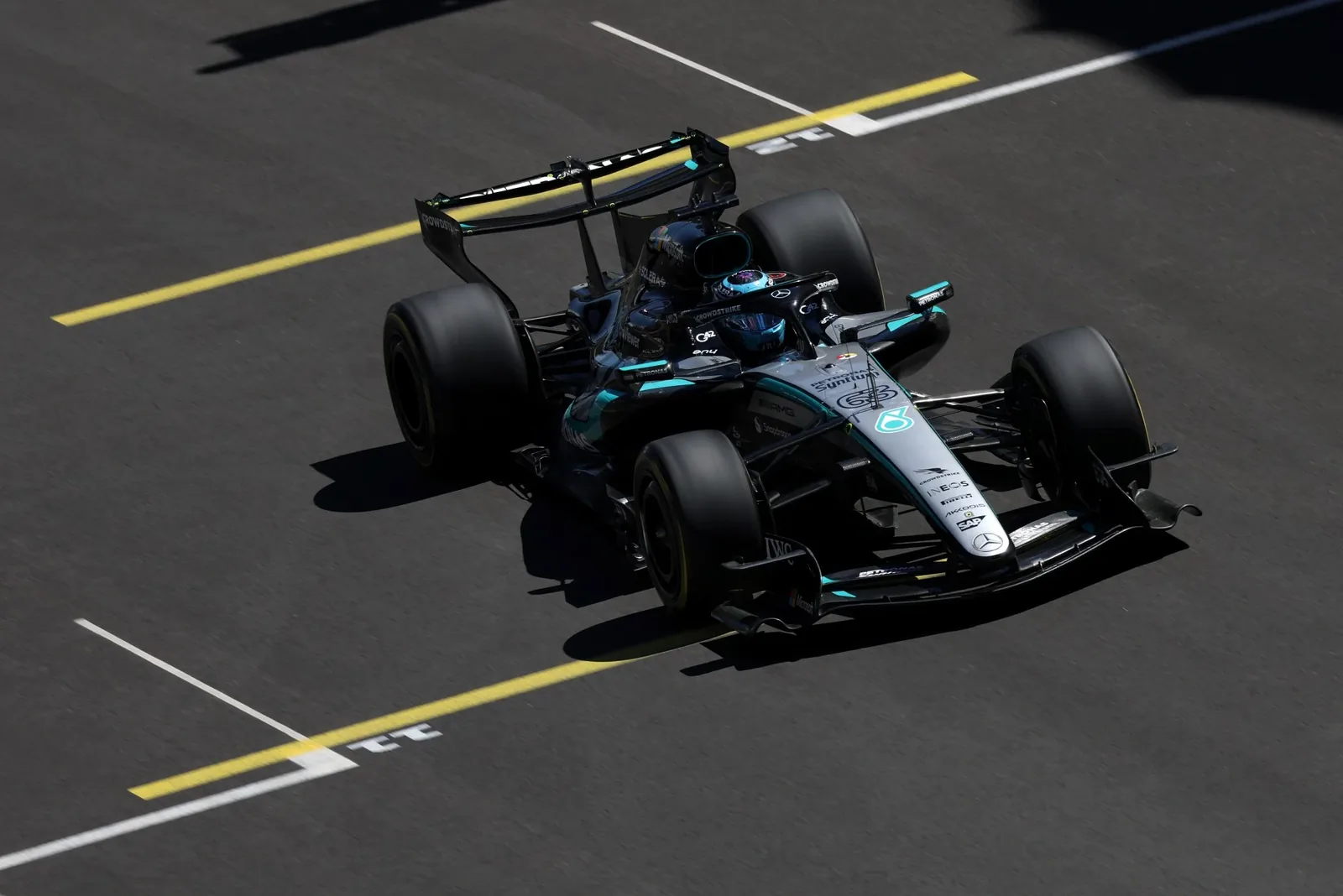









The first Formula 1 race at the new Madrid circuit generated many criticisms due to the lack of battles and overtakes on the track, but Alexander Wurz called for a broader analysis of the Madring project. For the head of the Grand Prix Drivers’ Association (GPDA), an urban circuit needs to deal with several limitations that do not appear in a simple design.
Read more F1: Lando Norris is not expected to participate in the 2027 24 Hours of Le Mans
The Spanish GP had few wheel-to-wheel battles throughout the 57 laps, something that was also observed in the junior categories. Wurz acknowledged that there are points on the layout that can be improved, but emphasized that building a track involves engineering, safety, budget, and infrastructure constraints.

“Designing a track is not simply drawing some lines on an A3, A4 sheet or in a CAD program,” Wurz said on the Sky F1 podcast. According to him, the project needs to consider terrain features, soil conditions, property boundaries, fire safety rules, public circulation, and marshal positioning.
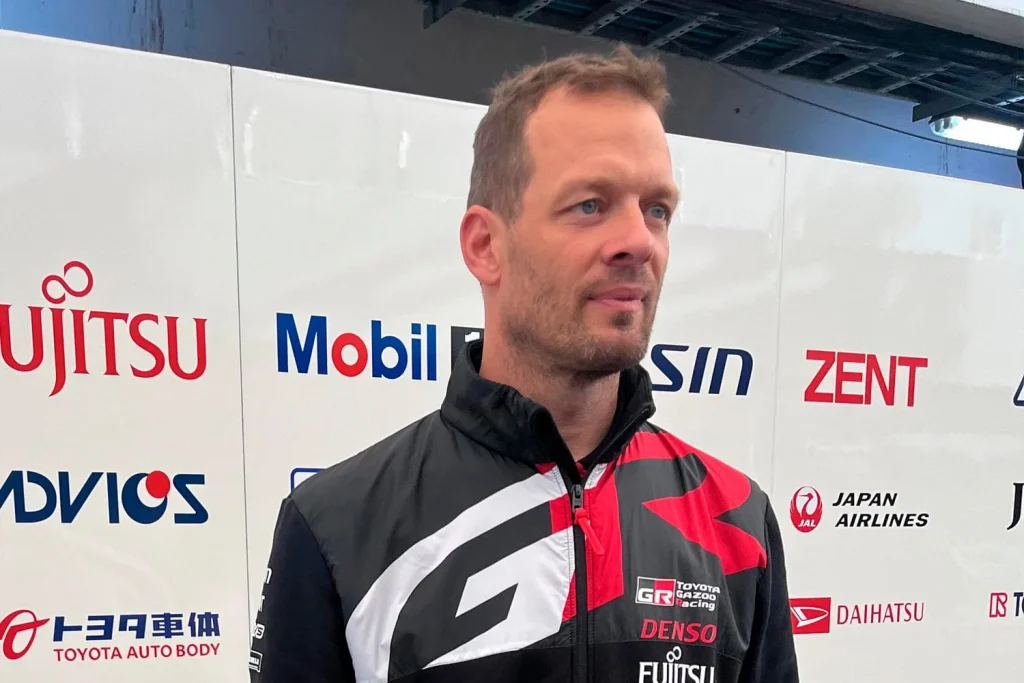
The former F1 driver also highlighted the specific limitations of Madring, since half of the circuit passes through the Madrid exhibition center. For Wurz, this helps explain some of the 90-degree corners that received criticism: “We cannot ask the promoter to individually change the exhibition spaces, that would be too much,” he added.
Read more Herta may return to Indy after failure in F2 and not obtaining the F1 super license
Despite the caveats, Wurz believes there are opportunities to improve the layout in the future. He mainly pointed out an area located on the other side of the highway, where there was available land, and apparently, fewer topographical restrictions.
The GPDA chief also highlighted the already famous banked corner, ‘La Monumental’, as an example of good use of the terrain: “They made perfect use of the terrain with that banked corner,” Wurz concluded.
Read more F1: Williams promotes young driver to Formula 3 in 2027