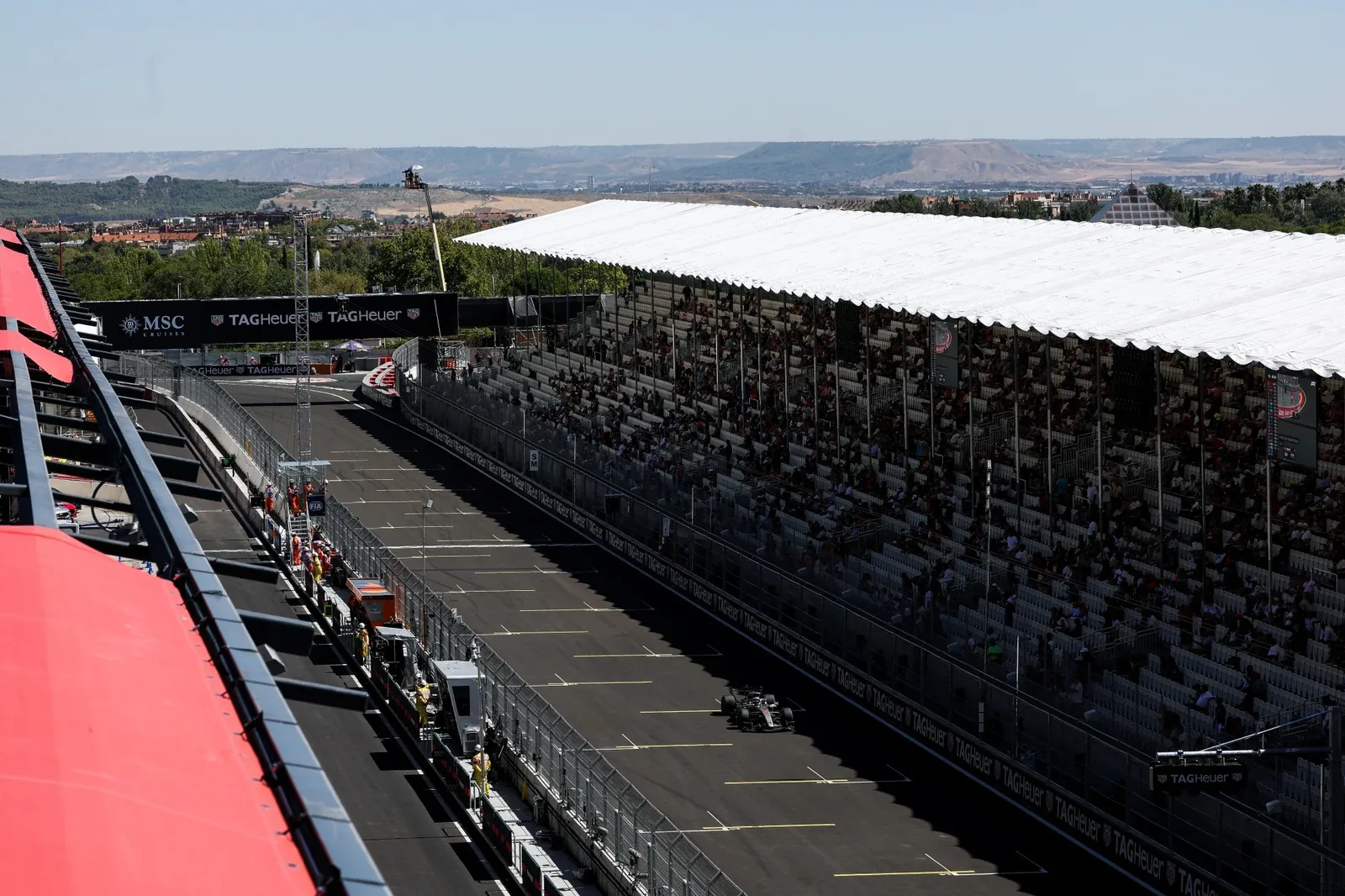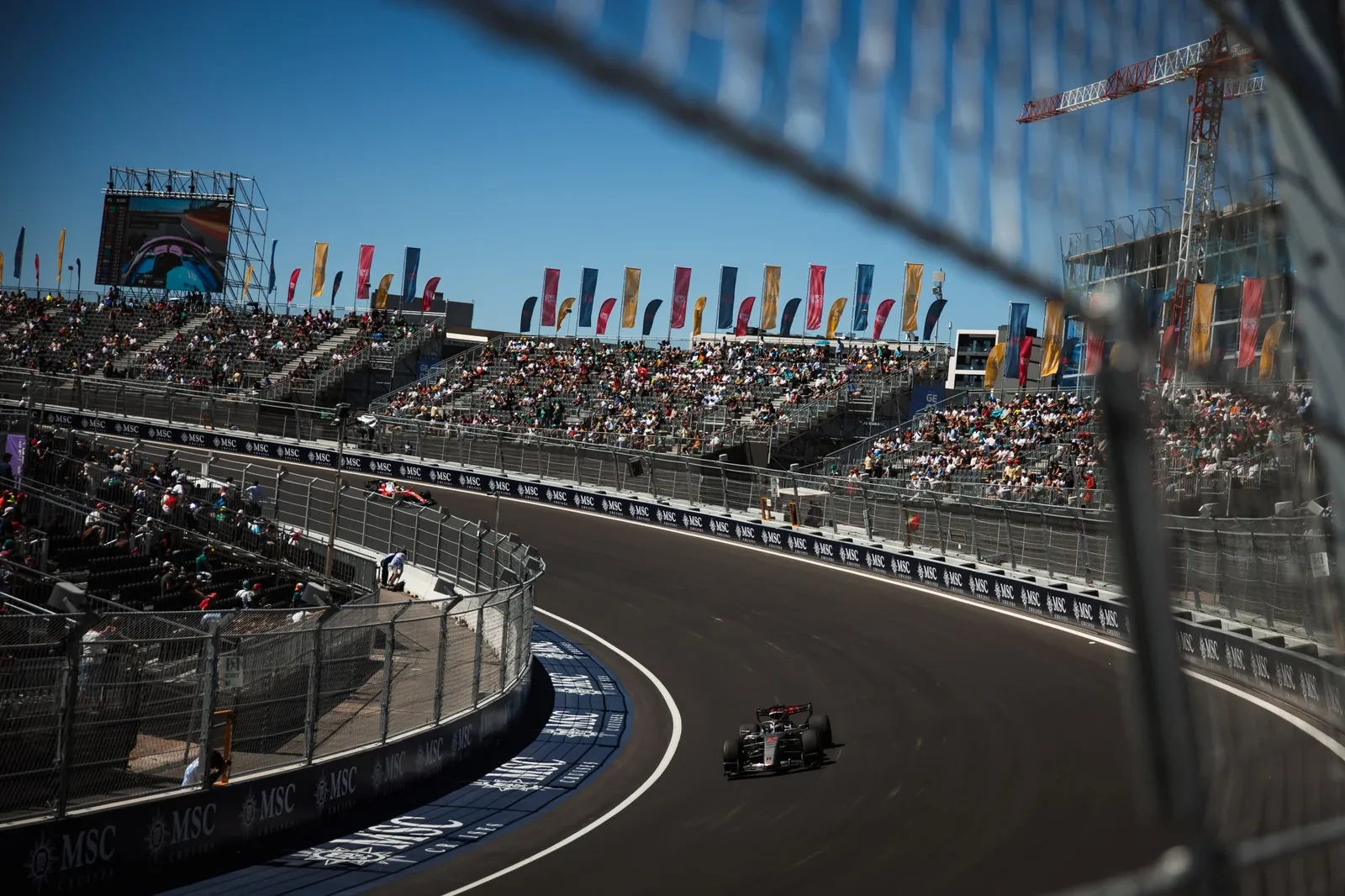

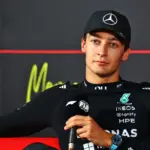
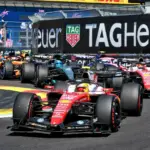

Bradley Lord, Mercedes’ deputy chief in Formula 1, explained why George Russell stopped during the virtual safety car period even after starting on hard tires at the Spanish GP.
Read more F1: Fanzone ticket sales start today with confirmed shows by João Gomes and Paralamas
The Brit was the only driver from the top teams not to stick to the one-stop strategy in Madrid. The race control neutralized the race on lap 14, very convenient for the top-4 teams, who started on medium or soft compounds – except for Lando Norris, who had already pitted when the VSC was announced.

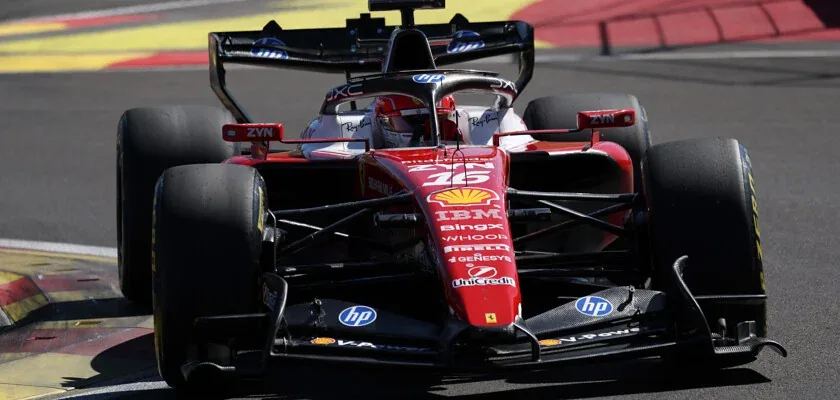
Charles Leclerc and Russell, however, started on hards. The Monegasque stayed on track and led the race until lap 45, while the Mercedes driver switched to mediums during the virtual safety car and then back to hards on lap 28.
“The VSC worked very differently for George; it came at the worst possible moment for him, since he had started the race on hard tires and intended to do a long stint, taking advantage of any events that happened later in the race. He started sixth on hard tires, planning to make only one stop. When the VSC was activated, he was the second car on track on hard tires, just behind Leclerc’s Ferrari. So, we instructed George to make a pit stop opposite to Leclerc’s,” Lord explained.
Read more F1: Lindblad passes theoretical test to obtain driving license in the United Kingdom
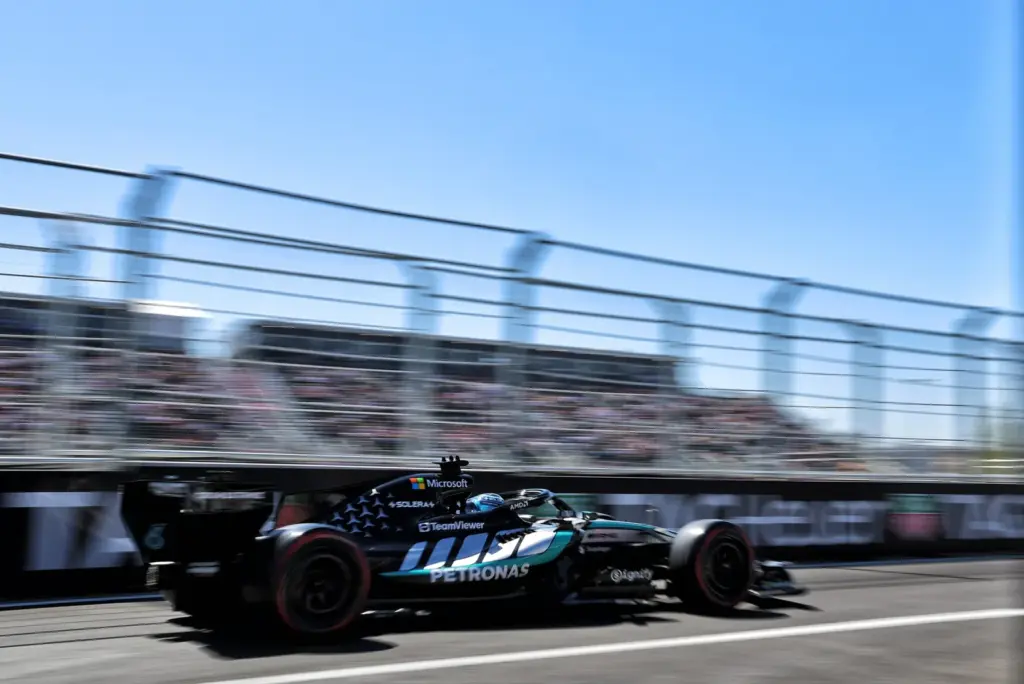
“Why? Because if we hadn’t done that, he would have simply followed Leclerc to the end. The opportunity to make an undercut was very, very limited, and the chance to overtake was practically nonexistent for cars with similarly worn tires. So, we put George on medium tires. We knew the mediums wouldn’t last the remaining 43 laps to the end, but by doing something different, George completed a 20-lap stint and then went back to hards, as we wanted to use that compound for as long as possible in the race…”
“George then showed a really impressive performance. He was so fast that he forced Leclerc to pit probably earlier than Ferrari would have liked; this brought Leclerc to the pit stop and gave Kimi clear track ahead, but also allowed George to pressure Leclerc in the final laps — with soft tires that were quite fragile, and he finished the race just 0.7 seconds behind,” he added.
“After the race, George was very pragmatic: he said he didn’t think what we did would make much difference, whether keeping him on track or calling him to the pits, he would probably finish fifth anyway, given the difficulty of overtaking in Madrid,” he concluded.
Read more F1: Bortoleto and Sainz bet on Verstappen’s success in challenge against 100 karters