





Energy management complicates the start of the Australian GP, but Ferrari stands out with the best reaction at the start
Read more F1: The new Formula 1 debuts with strategic chaos and unpredictable battles
The debut of the new generation of Formula 1 cars immediately brought a first technical challenge for teams and drivers: the behavior of the energy system at the starts. In the Australian Grand Prix, the opening round of the 2026 season held in Melbourne, battery management and the response of the power units were decisive in the first meters of the race.
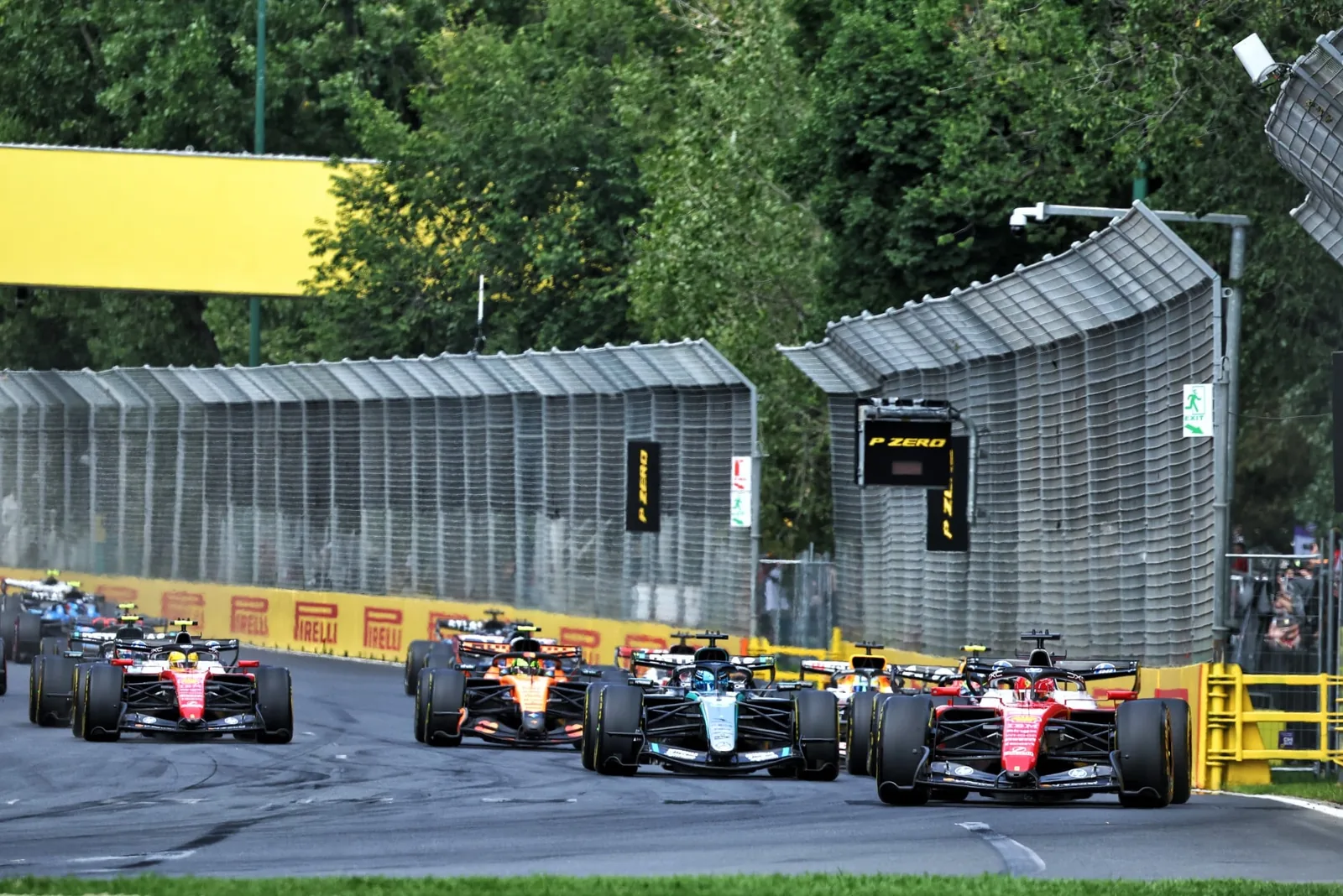
The three drivers who finished on the podium reported difficulties at the start, but the scenario also highlighted an important difference between engine manufacturers. Even with the problems mentioned by the drivers, cars equipped with Ferrari engines had the best reactions when the lights went out.
Charles Leclerc, for example, took the lead at the very first corner by overtaking George Russell. The Monegasque explained that he also faced difficulties with the energy system, but ended up being one of the drivers with the fewest problems at that moment.
“I think we all had problems at the start. My battery was also very low. I ended up having fewer problems than the others, but it was still a situation far from ideal.”
Despite this, Ferrari had already worked to minimize one of the most talked-about risks before the debut of the new regulations: the so-called turbo lag at the start. The Italian team adopted a smaller turbo precisely to improve engine response at low RPM, something that was reflected in the behavior of the cars in the first meters of the race.
The effect was also clear with Lewis Hamilton, who started from seventh position and had one of the best reactions on the grid. The Briton even threatened to enter directly into the fight for the top positions, although he lost some traction in the sequence.
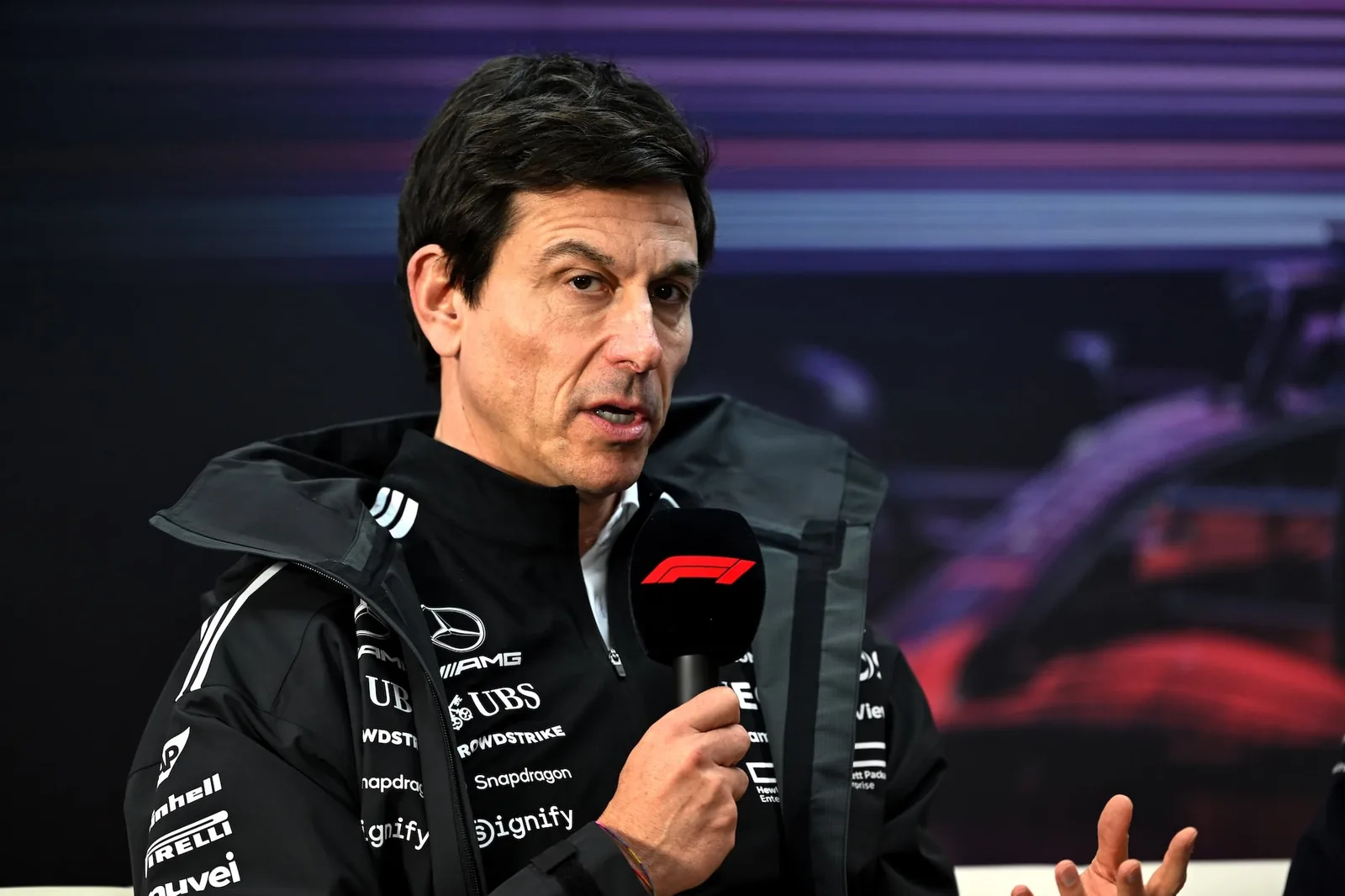
On the Mercedes side, the scenario was more complicated at the start. George Russell revealed that he arrived at the grid with little energy available, which compromised his initial reaction.
“I got to the grid, saw the battery level and had practically nothing available. I had a bad start.”
Even so, the Briton managed to stay close to the front and fought an intense battle with Leclerc in the opening laps before definitively taking the lead of the race.
Read more F1: Ferrari surprises in race pace and bets on 2026 development
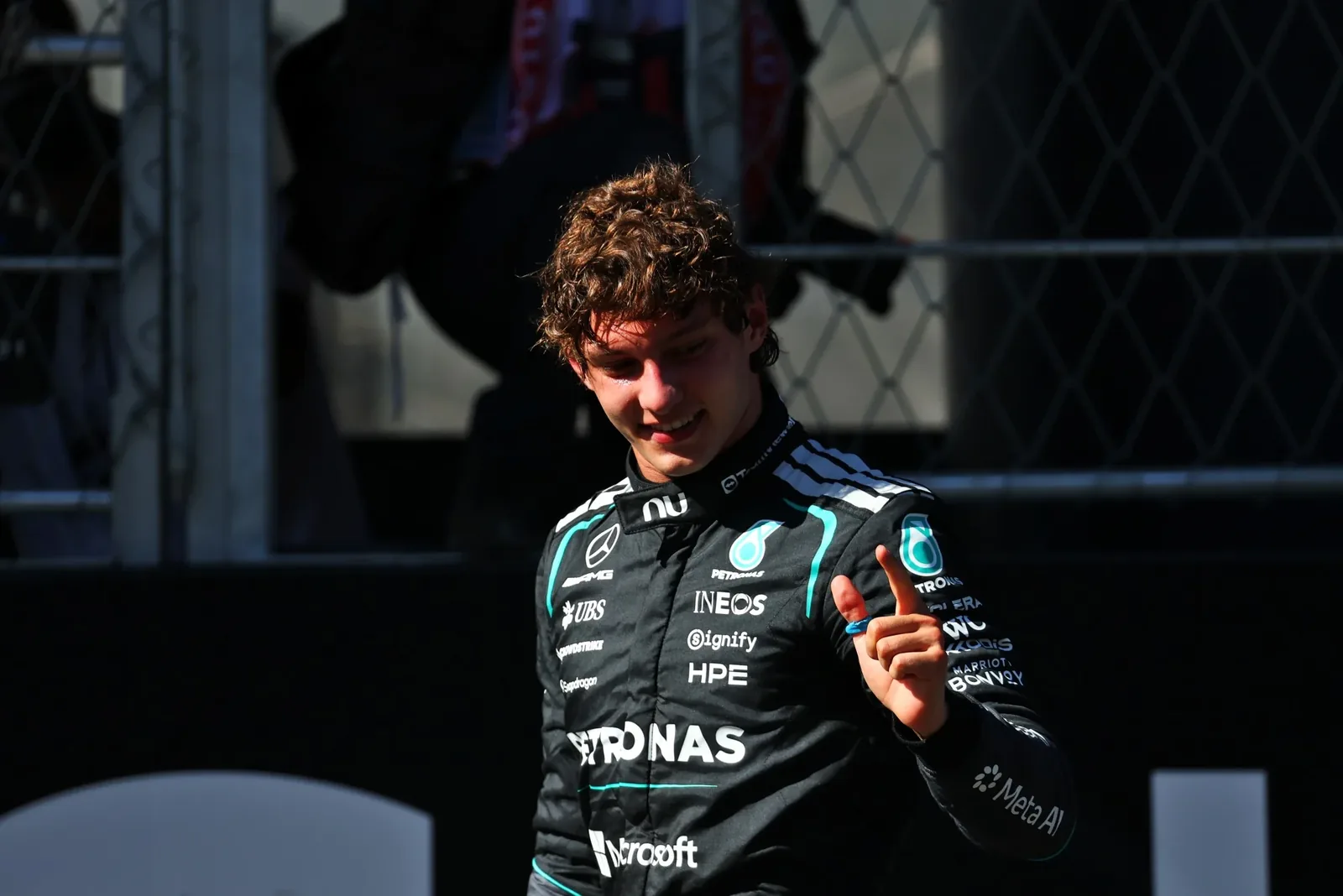
The situation was even more dramatic for Kimi Antonelli. The Italian, who started in the top positions, had clear problems at the start and lost several places even before the first corner.
“I had no power coming out of the last corner before the start. The car simply didn’t respond to commands.”
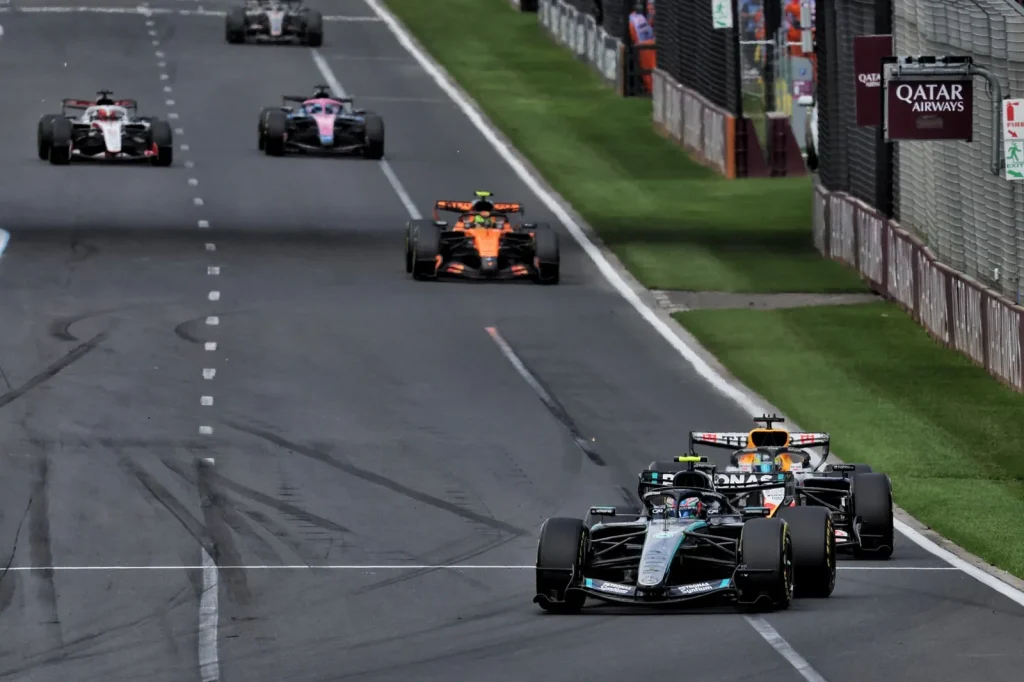
The Mercedes driver fell into the midfield right at the start of the race and had to build a recovery race. Taking advantage of the car’s strong pace and the overtaking opportunities provided by the new energy system, Antonelli managed to recover throughout the race to finish in second position, completing the German team’s one-two.
In addition to energy management, the start was also influenced by the extremely short time between the lights coming on and going out, something highlighted by Leclerc during the press conference.
“For the first start of the season with these cars, the lights went out very quickly. I think it caught everyone by surprise.”
The combination of new hybrid systems, delicate energy management, and the behavior of the power units transformed the first meters of the race into a true test for the teams. Even with widespread difficulties, Ferrari showed a more consistent initial response, while Mercedes compensated for the complicated start with superior race pace.
With only one round held under the new technical regulations, teams are expected to work intensely on optimizing these systems. The next challenge takes place at the Chinese Grand Prix in Shanghai this week, where the Sprint format will further reduce adaptation time.
If Melbourne served as the first laboratory for the new Formula 1, the start made it clear that energy management and the behavior of the power units could become decisive factors in the fight for positions throughout the 2026 season.