





The Australian GP made it clear that Formula 1 and the FIA have a major challenge ahead. The debut of the 2026 rules highlighted fundamental flaws in the new hybrid era, with cars slowing down to worrying levels and energy management dominating lap times, in contrast to the traditional essence of the category.
Read more TCR South America: Trappa claims first victory in hectic race in MG
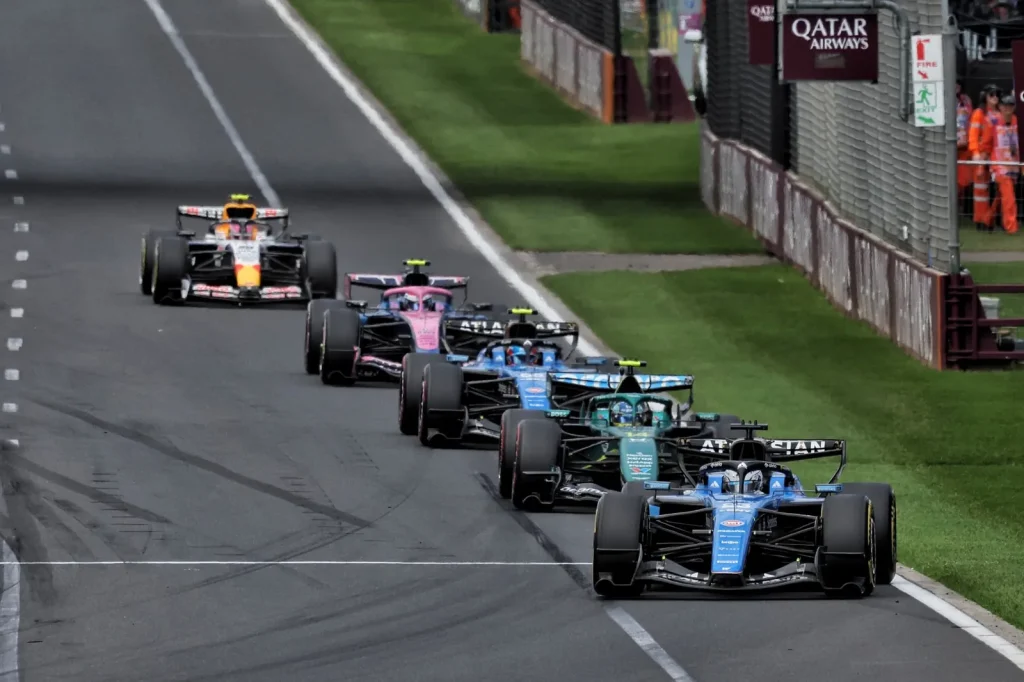
At the Albert Park circuit, slow traffic between turns 8 and 9, caused by rapid battery depletion, turned qualifying laps, which should have been exciting, into calculated energy-saving exercises. Even the start showed a risk of accidents, with turbo problems on Liam Lawson’s Racing Bulls car nearly causing a collision, avoided only by the quick reflexes of Alpine’s Franco Colapinto.
After the race, McLaren’s Lando Norris warned of the danger of serious accidents, given the speed differences between the cars. Furthermore, most of the overtakes recorded in the race, 130 in total, occurred artificially, without the real confrontation expected in a Formula 1 race.
After all this, which was actually already expected by the vast majority, the FIA now needs to make difficult decisions. Among the solutions discussed are adjustments to the so-called ‘superclipping’ to allow cars to recharge batteries more efficiently and an increase in energy recovery limits, allowing greater freedom for drivers. However, these changes could reduce lap times by a few seconds, while limiting battery influence presents equally complex consequences, as the 50-50 concept between combustion and electric power in the new power unit cannot be changed immediately.
Read more F1: Wolff believes Mercedes will have a strong battle with Ferrari
Formula 1 finds itself between the need to innovate technologically and the obligation to maintain the spectacle on track. Abandoning the new format after one season could drive away manufacturers and jeopardize years of investment, but maintaining the current status risks alienating recently gained fans, as well as causing widespread discouragement among drivers.
With teams already advanced in 2026 development and manufacturers committed to long-term strategies, the category needs to find a delicate balance between technological advancement and the genuine excitement of racing, and the time for major adjustments is running out.