






The 2026 Formula 1 season begins this Sunday with the Australian GP in Melbourne, and several points deserve special attention before the start at the Albert Park circuit. Between Mercedes’ dominant performance, the expectation of strong starts from Ferrari, and Max Verstappen’s recovery, the race promises to be action-packed.
Read more F1: Antonelli calls mechanics heroes for getting car ready for qualifying
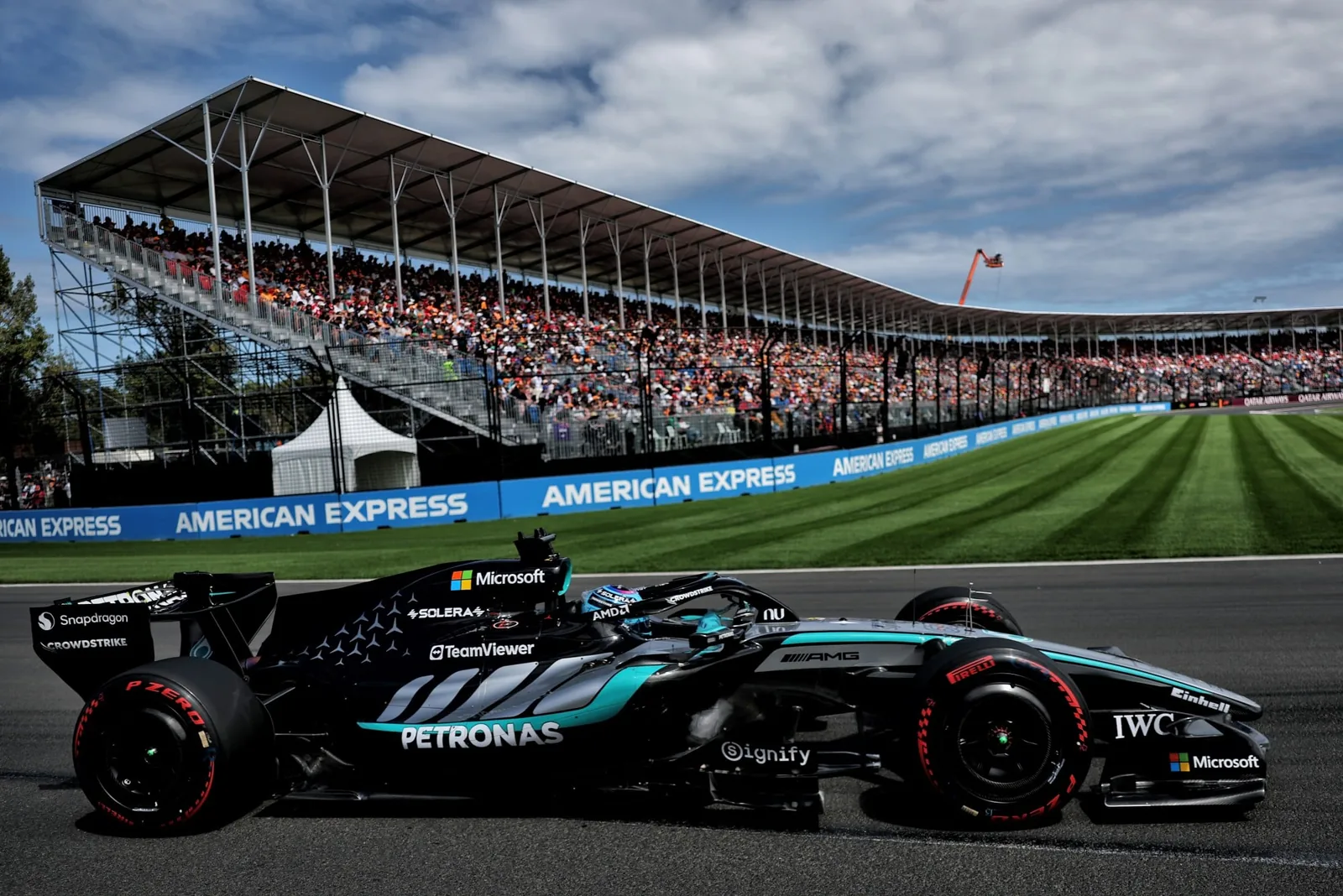
George Russell took pole position, beating teammate Kimi Antonelli, who recovered from a heavy crash at the end of FP3 to start alongside the Briton. With good long-run pace in free practice, the Mercedes drivers arrive as favorites, and a direct battle between them for the win is not ruled out.
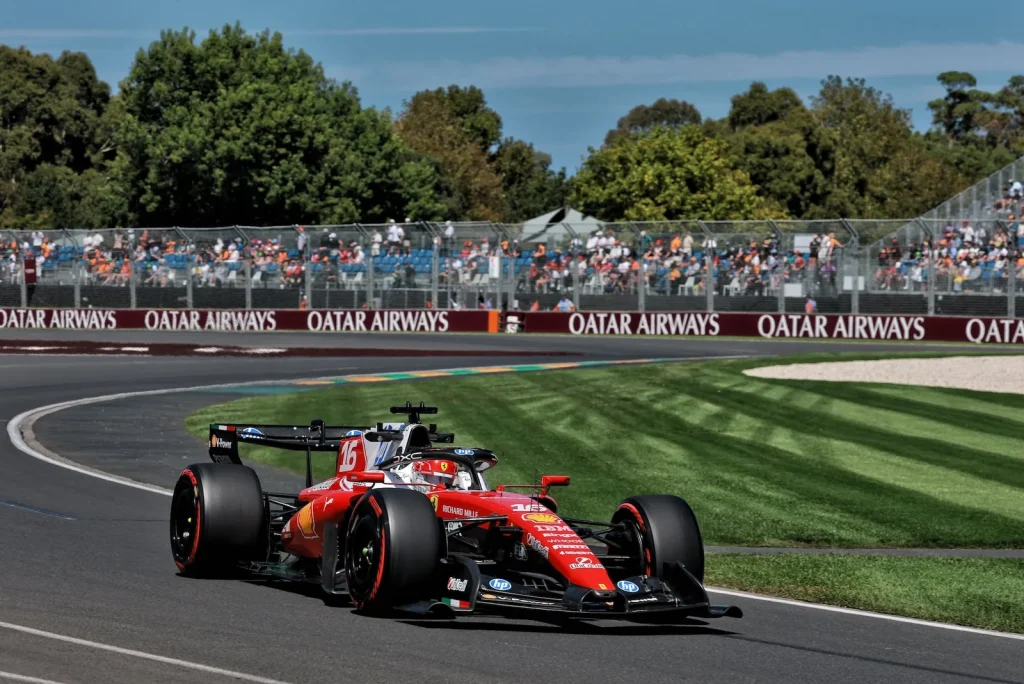
Ferrari’s Charles Leclerc starts on the second row and could close in on the leaders in the opening corners. The new rules require drivers to manually control the turbine before the start, and the Scuderia seems to have adapted better to this, which should allow for more consistent starts. Leclerc, however, tries to temper expectations: “Our engine makes it a bit easier to have a good start, but if Mercedes does everything optimally, there won’t be much difference. But it will certainly be a bit harder for them to hit the right window,” said the Monegasque.
The new 2026 rules allow for greater energy manipulation, with free power modes to attack or defend. Correct management of this energy will be of utmost importance and could result in constant overtaking or more strategic races, with drivers waiting for the right moment to move forward.
Read more F1: Alpine fined after pit lane incident
Verstappen will have to start from 20th position after a crash in Q1, when the rear axle locked up and caused him to go off track. The four-time champion will try to recover positions in a car clearly faster than the opponents ahead of him. The expectation is that he will fight for important points, taking advantage of any incident at the start of the race.
Fernando Alonso and Lance Stroll faced reliability issues with the Honda power unit, but Aston Martin made significant progress. Alonso completed twenty laps in the final free practice, reducing his deficit to the leader from 4.9s to 2.4s in the qualifying session, showing the importance of track time to understand the AMR26. Despite the problems, Aston Martin remains optimistic for the race, seeking to consolidate the learning from the weekend.
With Mercedes dominating practice, Ferrari potentially aggressive at the start, Verstappen attempting a recovery, and teams in the adaptation phase to the new rules, the Australian GP promises to open the 2026 season with plenty of action and unpredictability.
Read more F1: Verstappen, Sainz and Stroll receive authorization to participate in the Australian GP