







James Allison, Mercedes technical director, revealed one of the main dilemmas faced by teams during a Formula 1 season. For the Briton, deciding when to stop developing the current car and redirect resources to next year’s project becomes even more complicated when rivals continue to evolve at a rapid pace.
Read more F1: Verstappen praises massive home support at the Dutch GP: «I would never have imagined this»
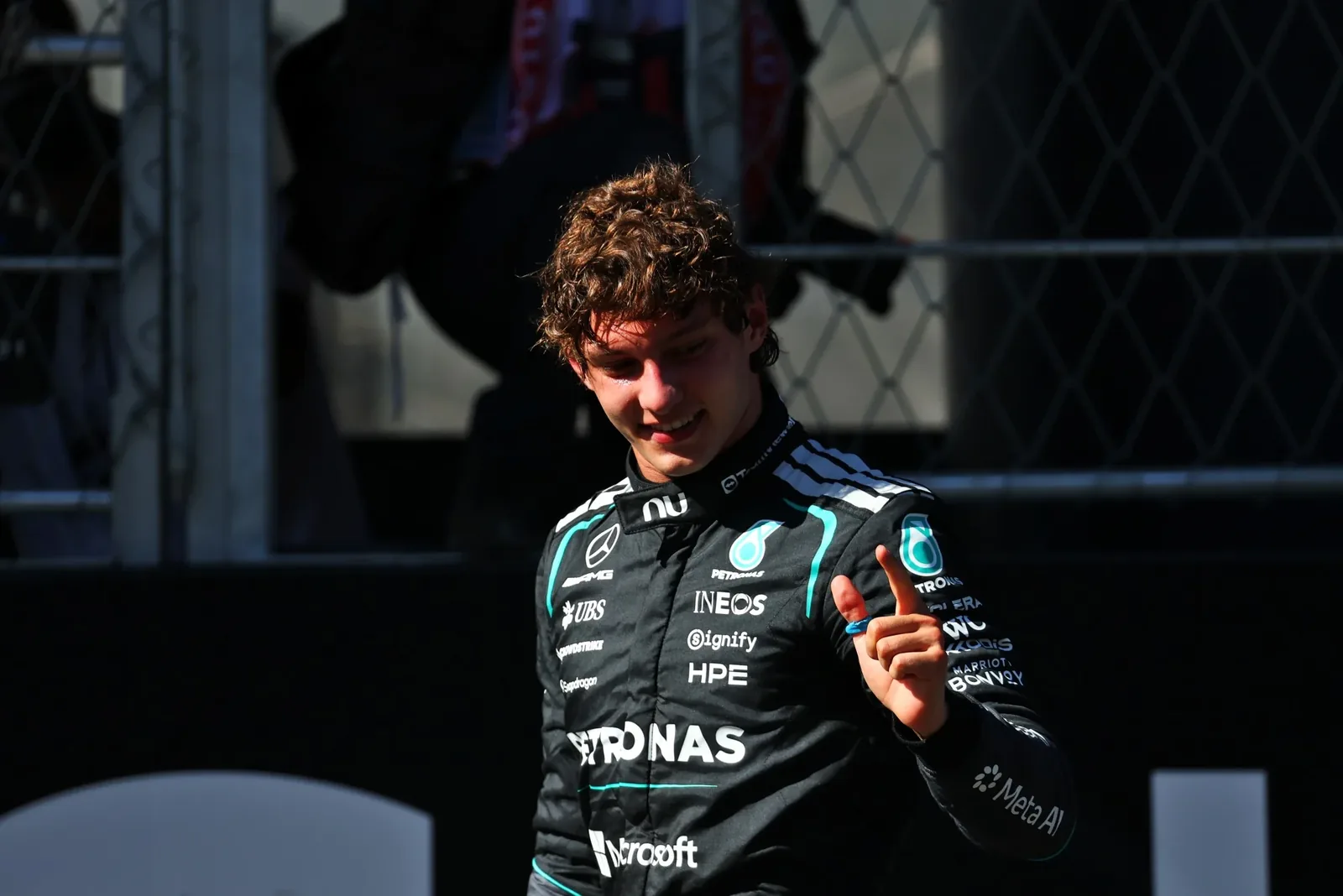
Mercedes has been dominating the 2026 season, with eight wins in the first 11 races, confirming the expected strength after the new regulations came into effect. The performance, however, was accompanied by reliability issues that cost important points to Kimi Antonelli and George Russell.

In an interview with the NU Silver Radio Show, Allison explained why the decision on when to shift focus to the next car can be particularly difficult. “Every Formula 1 team always faces the dilemma of when to stop efforts on the current car and invest in the next year. And when the development pace is as sharp as it apparently continues to be, this decision becomes harder because if you stop too early and your competitors keep developing three tenths of a second per month, the world can get a bit restless in the last third of the season or something like that.

“Our job is to try to correctly judge this stopping point and ensure that we continue to bring performance to the track at a pace that allows us, on average, to stay ahead in this kind of overtaking we were discussing a few minutes ago,” he added.
Despite the challenge, Allison is confident that Mercedes still has performance to extract from the car. The technical director highlighted that the wind tunnel has already produced new solutions and that other updates are prepared to arrive on track.
Read more F1 today: Bortoleto takes stock and Ferrari faces dilemma
“I think the chances are good for us to achieve this, because I know what the wind tunnel has already produced and I know what is waiting behind the scenes and will eventually reach the track. And I think there is a significant amount of performance available there, and we already have a certain number of points in the championship,” he said.
For the second half of the championship, however, Mercedes does not intend to focus its efforts solely on speed gains. Allison emphasized that the team also needs to correctly execute updates and reduce the problems that marked the first part of the season.
“Collectively, we want to ensure that we deliver all these upgrade opportunities smoothly, cleanly, and effectively to the track and, as important as that, actually maybe even more, that we make sure the second half of the season is not affected by reliability errors and self-inflicted problems that were too frequent in the first half of the year,” he concluded.
Read more F1: McLaren Director points to cultural change as key to winning phase