




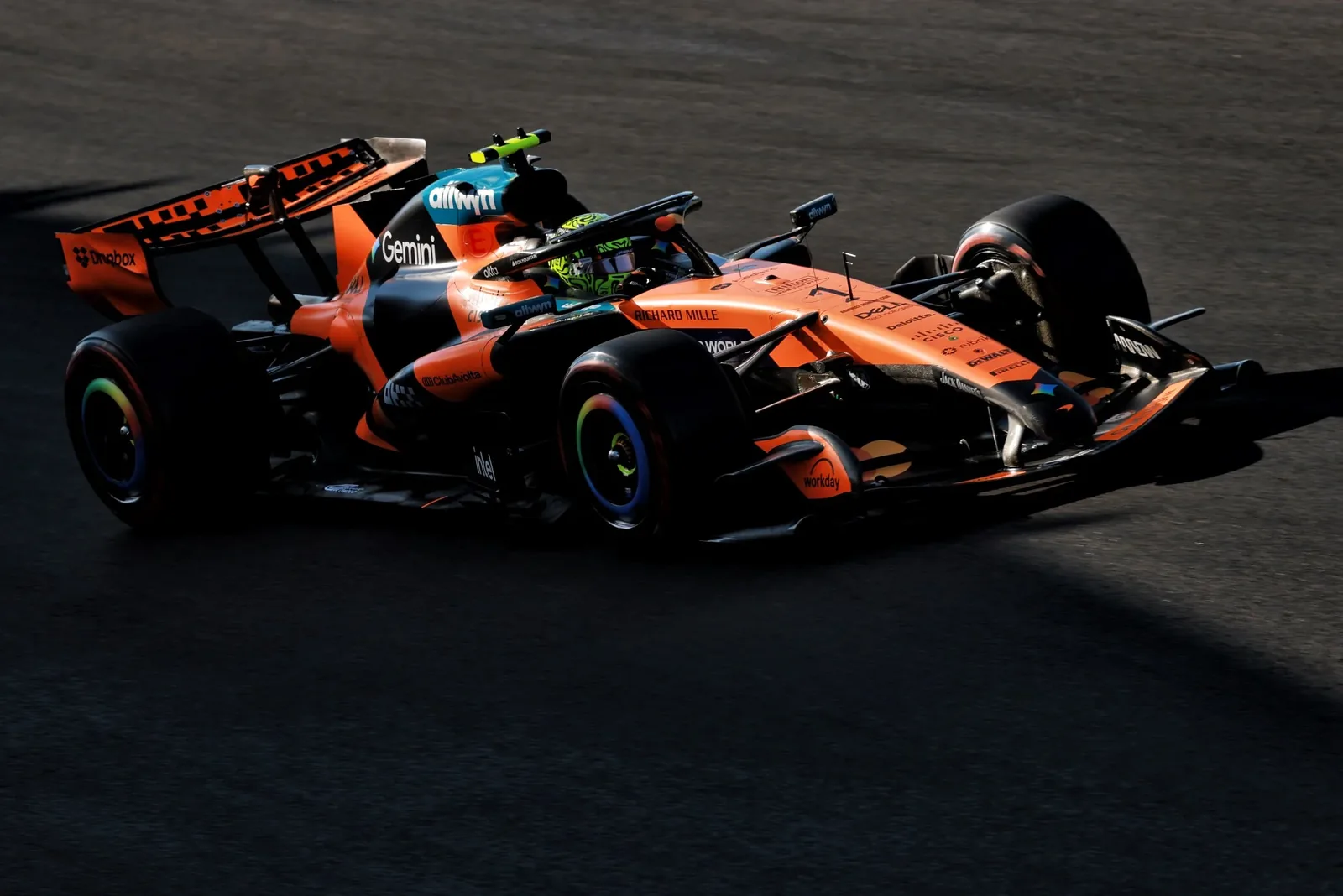
McLaren believes it has found the necessary balance to manage the development of the 2026 and 2027 cars. Andrea Stella stated that the team is in a favorable position to make the important decisions that will come after the Formula 1 August break.
Read more F1: Verstappen impresses commentator with unexpected results
The main challenge will be to decide when to reduce investments in the current car, to focus resources on next year’s project. According to Stella, the transition is simpler this season because the regulatory changes between the two projects are relatively smaller than those faced from 2025 to 2026.

“This year it is easier to find a middle ground between the two needs,” Stella said in a McLaren Q&A session. The team principal highlighted that the learnings obtained in 2026 will continue to be useful in the development of the 2027 car, since the current generation is still in an early phase both in the chassis and in the power unit.
Read more F1: Colapinto commented on having been a victim of robbery during vacation in Italy
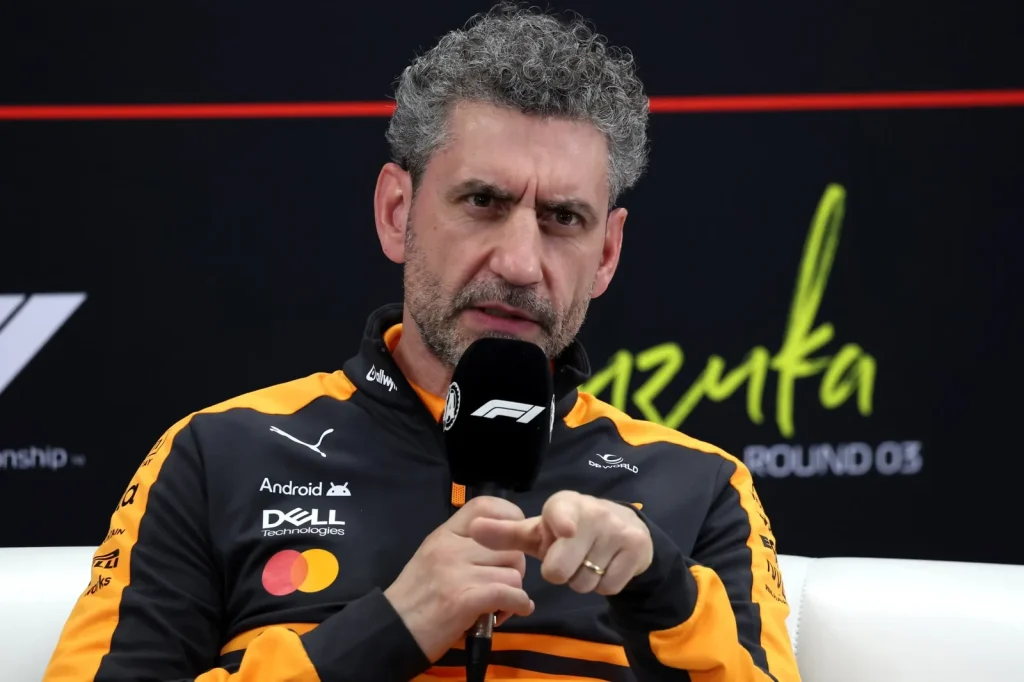
It will still be necessary to manage factors such as the budget cap, the available hours in the wind tunnel, computational simulations, and the distribution of resources between design and production. Even with these limitations, Stella assessed that McLaren is well positioned in all these areas to lead the shift in focus.
Neil Houldey, technical director of applied engineering for the British team, also sees room for the team to continue evolving the 2026 car after the last major package planned for Baku. According to him, McLaren can find performance gains without harming the 2027 work, mainly through smaller solutions that can be added to the car without requiring major changes to the bodywork: “There is a good chance we will have updates after Baku that can extract more performance from this car without affecting 2027,” Houldey concluded.
Read more F1: FIA wants cars 80 kg lighter from 2031 onwards