




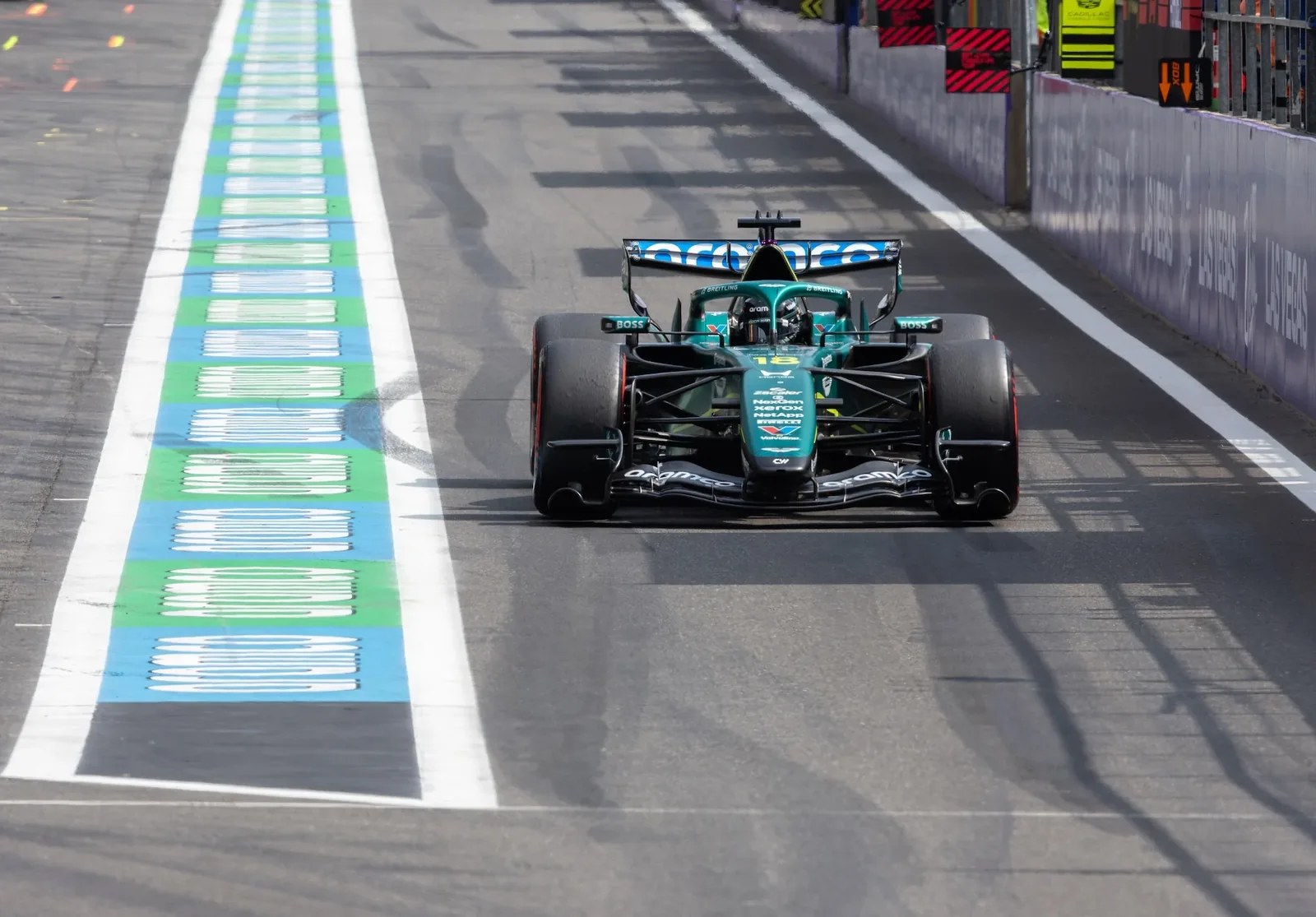
The 2026 Formula 1 technical regulations created great expectations for Aston Martin. With a state-of-the-art factory in Silverstone, the arrival of designer Adrian Newey, and the factory partnership with Honda, the team believed it had all the ingredients to achieve success.
Read more F1: Domenicali rebuts criticism and defends 2026 regulations
However, the start of the new era has been more complicated than expected. Mike Krack revealed that Aston Martin was practically unable to compete before the summer break, as the gap to the newcomer Cadillac was about one second per lap.

The situation began to improve after the arrival of the first major update package for the AMR26, introduced at the Hungarian GP. Even so, the problems were not only with the car. Honda faced difficulties with its power unit, including vibrations that affected the drivers at the start of the season and a performance deficit compared to rivals.
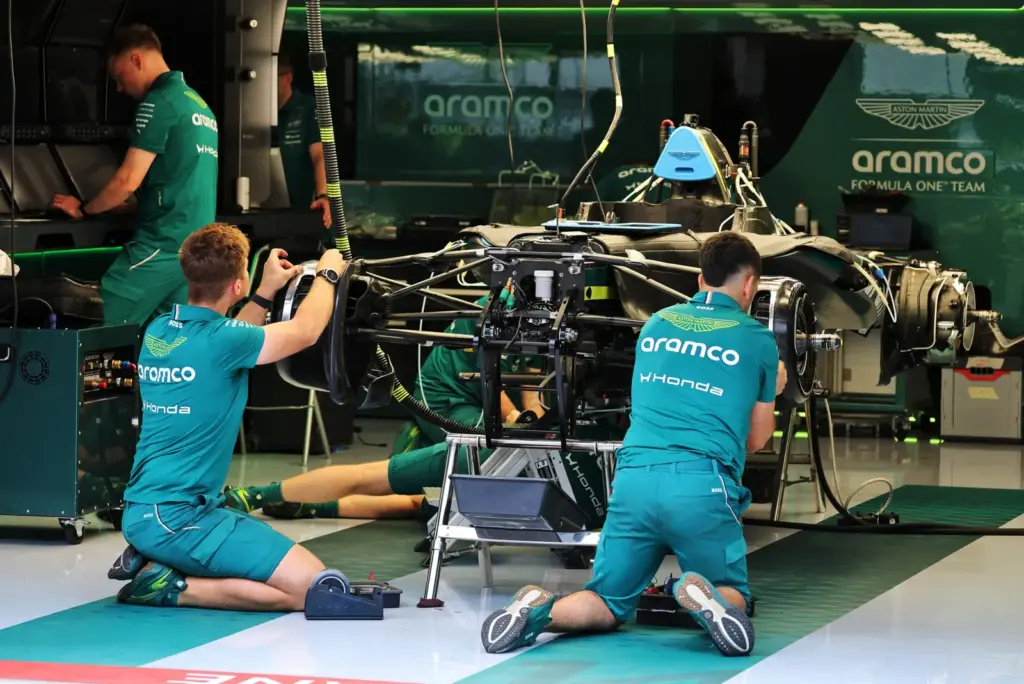
Shintaro Orihara, Honda’s track manager and chief engineer, explained that the team only realized the true extent of the problems in January: “So, probably at the end of last year, our position was not so bad,” he said. “Still, the performance and drivability were in development phase, but they seemed good,” he told Motorsport.
“But in January, we realized that in some areas we found — not problems, but we noticed that performance always went up, down, up, down. So we found some performance, but we also found some reliability issues.”
The priority became reliability, causing Honda to have to give up some performance gains. The problem worsened during winter testing, when battery-related failures limited track time and hindered data collection.
Read more F1: Albon lowers expectations for Williams updates in Baku
“In January, we realized that our performance and reliability would not be competitive,” Orihara said. “When we started running in Barcelona, we realized that our performance was definitely inferior to other manufacturers. And we also found some problems on the battery side.”
According to the engineer, the complexity of the 2026 regulations was also one of the main challenges for Honda. The changes involved several sectors of the power unit, including the increase in MGU-K power and changes to the internal combustion engine.
“It’s hard to say which power unit component is the most challenging, because in this regulation, everything changed a lot,” Orihara explained. “For example, the MGU-K power changed from, say, [120] to 350 kilowatts. That’s a significant change.”
In the electrical system, the focus is on efficiency, but the removal of the MGU-H also brought drivability challenges for manufacturers. “Removing the MGU-H has also been quite challenging on the power unit side,” Orihara said. “So that’s a challenging point for us, as power unit suppliers, to maintain the boost pressure on target. Again, it’s hard to pick one component that has been more challenging for us, but it has been the combination of all the changes at the same time.”
Honda is now working to reduce the performance deficit, mainly in the internal combustion engine. The update planned for Zandvoort was developed with this goal and has already been tested during a filming day at the Hungaroring.
Read more F1: «We are not satisfied,» says Mekies about Red Bull’s moment in the season